Behaviour changes in dogs: what to look out for as they age

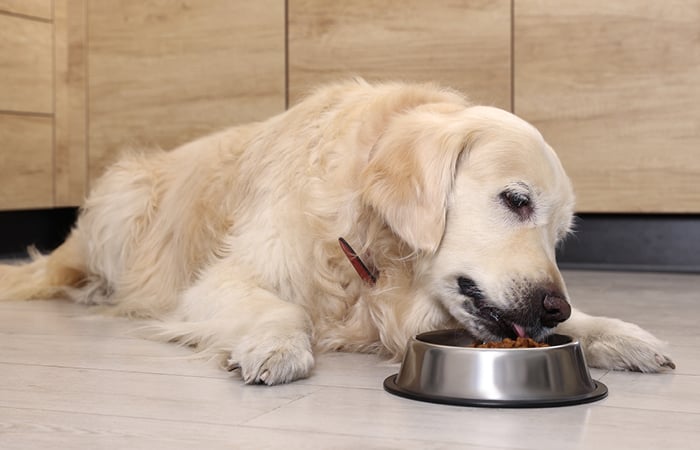
golden retriever lying on the floor eating food from a silver pet food bowl
How do dogs change as they get older? What’s normal behaviour in an elderly dog, and what’s not? Help your pet get the best out of life with our expert guide.

Quick Links

From their favourite spot on the sofa to the way they greet you at the door, you know your dog and their habits better than anyone.

But as the years roll by, you might start to notice changes in their behaviour. Perhaps they’re more restless, maybe they sleep more than usual, or they may have started showing signs of confusion.
These older dog behaviour changes can be unsettling, especially if your pet has always been active, obedient and full of energy. But many are simply a normal part of ageing, and with a few adjustments, you can help your older dog feel safe, comfortable and happy at every stage of life.
One of the more common personality changes in dogs as they age is increased irritability. A dog that snaps when they’re touched or avoids once-loved interactions could be reacting to pain. Stats suggest that by age eight, dogs are more likely to experience joint issues such as arthritis.

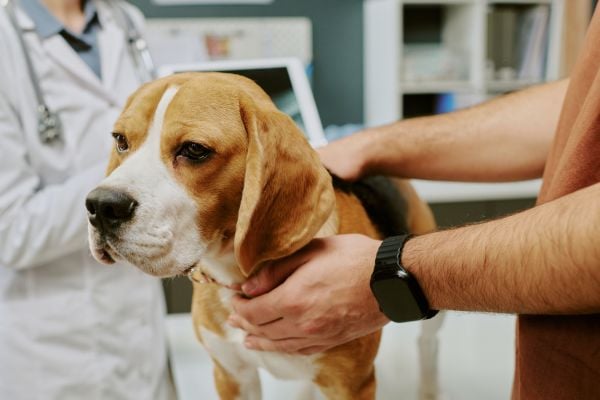
What you can do: Watch for signs of stiffness, especially after rest, and avoid overexerting a dog that has joint issues. Swap longer walks for shorter, varied routes with plenty of places to rest. Swimming can also help keep joints mobile – just be mindful of cold temperatures in winter. If you’re concerned, a vet check-up can rule out other issues such as hip dysplasia or thyroid conditions.

Appearing less responsive or ‘disobedient’ is a common change in dogs’ behaviour as they age. This can feel especially confusing if you’re an owner that’s put lots of time and energy into training your dog.

Often, these changes are down to sensory decline. Ageing affects sight, hearing and smell, which can lead to confusion, anxiety or withdrawal from previously familiar situations.

What you can do: Many owners find that switching to hand signals instead of voice commands helps with hearing loss. If vision is impaired, keep your home layout consistent and use textured mats to guide them safely. Dogs still rely heavily on smell, so even if sight fades, walks and sniffing sessions remain a source of joy and mental stimulation.

Some senior dogs develop a condition similar to dementia in humans, known as Canine Cognitive Dysfunction (CCD). Signs of CCD include restlessness, night waking, getting ‘stuck’ in corners, barking without cause, or appearing disoriented in their own home.

What you can do: Daily enrichment through food puzzles, gentle games and routine social interaction can keep your dog’s brain sharp. Tiring out your dog with plenty of daytime walks and play can also improve night-time sleep. Speak to your vet about potential treatment options to manage CCD symptoms if they’re becoming disruptive

Just like humans, dogs can become more prone to anxiety as they age. This might show up as separation anxiety, increased startle responses or a reluctance to explore new places. New feelings of anxiety can stem from physical discomfort, cognitive changes or simply a reduced ability to process the world around them.

What you can do: Create a calming, consistent routine for your dog. Use comforting items such as a favourite toy or blanket, and try to avoid loud noises or chaotic environments. If their anxiety seems to be escalating, speak with your vet.

Appetite changes are another common sign of aging. Gum disease, worn teeth or simply a reduced sense of taste and smell can all affect your dog’s enthusiasm to eat their meals. However, it’s important to speak to your vet about any changes to their eating to rule out more serious issues such as cancer or kidney problems.

What you can do: Book a dental check-up if you notice bad breath or inflamed gums. Offering softer food can also make mealtimes more comfortable, too. If your dog continues to refuse food, book an appointment with your vet as soon as possible.

A few extra comforts can go a long way for dogs in their golden years. Switching to an orthopaedic dog bed, which offers extra support to ageing limbs, can make your home more senior-dog-friendly. Make sure there are also plenty of quiet places for them to retreat and relax in comfort if they’re feeling more anxious than usual.

Pet insurance for older dogs can help you to manage the costs of any ailments that may crop up in later life. If you have dog insurance with Petplan, you’ll also get access to our Pet Expert Chat service, allowing you to ask vet experts any health-related questions to put your mind at ease. Simply log into your My Petplan account to get started.

While many shifts in behaviour are simply part of ageing, don’t hesitate to speak with your vet if you’re unsure or worried. Sudden or severe changes, especially when combined with other symptoms, could point to an underlying health issue that needs attention.

Your older dog deserves the extra care and attention now they’re slowing down, and a few thoughtful tweaks to their routine can help them thrive during their golden years.

Found this article useful? Want to see similar content and engage with like-minded dog owners? Follow us on Petplan’s Facebook page
Follow us

Petplan is a trading name of Pet Plan Limited (Registered in England No. 1282939) and Allianz Insurance plc (Registered in England No. 84638), Registered office: 57 Ladymead, Guildford, Surrey GU1 1DB.

Pet Plan Limited is authorised and regulated by the Financial Conduct Authority. Financial Services Register No. 311969. Allianz Insurance plc is authorised by the Prudential Regulation Authority and regulated by the Financial Conduct Authority and the Prudential Regulation Authority. Financial Services Register No. 121849. Pet Plan Limited is a subsidiary of Allianz Insurance plc.