How do dogs' personalities change as they get older?

Brian Faulkner - Article expert
Dr Brian Faulkner
Veterinary Surgeon
RCVS Registered
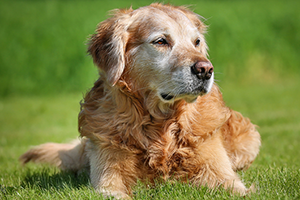
older golden retriever
As our dogs age, they might start acting a bit out of character. Here, we look at some age-related personality changes in dogs.

Quick Links

When we think of our pets ageing, it’s easy to focus on the natural physical decline, such as an ageing dog becoming less mobile. But in reality, not every change that comes with age is a drawback – some can make our dogs even more rewarding companions.

Research suggests that, much like humans, dogs’ personalities evolve as they age and experience major life changes. Their personalities are not fixed and are shaped over time by their environment, experiences and even their owners’ personalities. And, as it turns out, you really can teach an old dog new tricks.

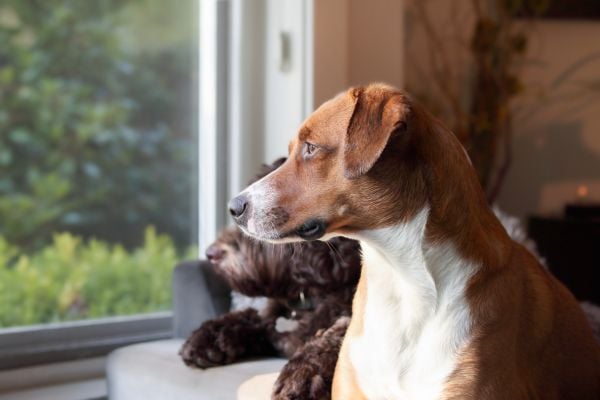
Yes – but often in ways we might not expect. Here are some positive dog personality changes as they get older.

Just like human children, puppies are also unsteady in and unsure of the world. Plus, the adolescent dog (around 7-12 months) can go through bouts of anxiety

But when they reach adulthood, many once-timid or reactive dogs simply relax into life, provided consistent training and socialisation have been in place. As some dogs age, they may grow noticeably more settled, confident and generally at ease.

As older dogs slow down, they naturally have less energy and curiosity. But this isn’t necessarily a bad thing – many older dogs will spend more time relaxing and, in turn, less time chewing on furniture, exploring the bins or tearing apart your favourite pair of shoes.  

Depending on their physical condition, this means many older dogs don’t need as much supervision, which is great news if you need to leave your dog alone for parts of the day. However, remember to still provide plenty of mental stimulation and enrichment activities to keep your dog happy and entertained.

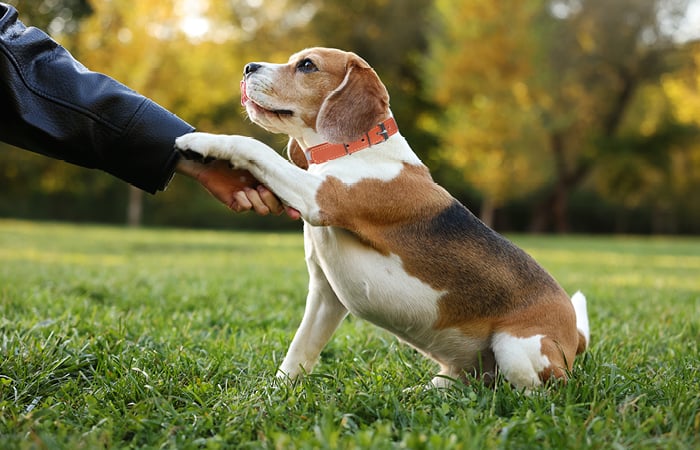
We may associate ageing with becoming ‘ grumpier’, but sometimes the opposite is true. An increased sense of security in later life means our canine friends can become more people-focused and affectionate – especially if they’ve had a stable, consistent relationship with their caregiver throughout their life.

Not only do dogs grow to trust the people in their lives, but as they age, they often become more reliant on them, deepening their bond and showing greater affection.

As well as more positive personality changes, older dogs may also start to show less favourable changes. Below, we delve into some of these and provide advice on how you can help.

If your older dog doesn’t want to walk or play with you as much as they used to, it could simply be that they have less energy. 

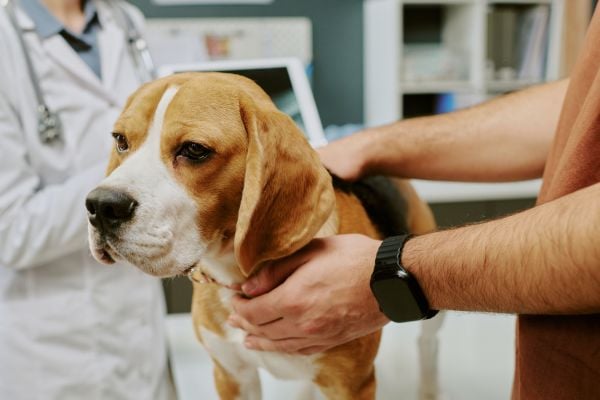
However, a lack of walking could also be a sign of pain, stiffness or health conditions such as arthritis. This is common in older dogs, but be sure to get them checked out by your vet and spend plenty of time with them as they slow down. It may also be a good time to rethink their exercise regime.

  • Go for short strolls rather than long treks. Parks are ideal – you can both sit and relax, and your dog will still be able to socialise with other dogs
  • Try new, shorter routes so your dog encounters fresh smells and new experiences, or try less-demanding indoor games to keep them mentally stimulated

For more advice and activity ideas, see our expert guide to exercising older dogs or our alternatives to dog walking guide.

You might notice your previously well-behaved dog is now ignoring you when you speak to them. However, this is less a personality change and more likely a decline in your dog’s senses. If your normally obedient dog stops responding to commands, they may be losing their hearing with age.

  • Consider teaching your dog visual hand signals instead of voice commands
  • Keep them on a lead during walks
  • Avoid startling them and try to step into their field of vision as soon as possible. You might like to hold a dog biscuit as you approach them to provide a scent cue

Similarly, if an older dog keeps bumping into things or seems reluctant to explore new places, this could be due to them losing their sight. Talk to your vet, who can investigate any specific eye problems and advise on how best to care for a dog with sight loss.

  • Avoid rearranging furniture, as this will confuse a dog with sight loss
  • Place textured rugs around the house to help them navigate
  • Walk them on their lead, if they still seem to enjoy it, and provide scent-led games and puzzle feeders
  • Never startle them – instead, approach them calmly, saying their name and alerting them to your presence

Thankfully, because the canine sense of smell is so incredible, dogs with sight difficulties can continue to enjoy life.

In both cases, your vet will be able to diagnose sight and hearing loss in your dog and rule out any short-term problems, such as ear infections.

If your older dog seems lost and confused in later life or is otherwise acting out of character, it could be a sign of dog dementia, also known as cognitive dysfunction syndrome (CDS). Your vet will be able to diagnose CDS, and while there’s no cure, a little extra care and attention can still ensure your dog’s quality of life.

  • Keep your home a safe, comfortable and consistent place
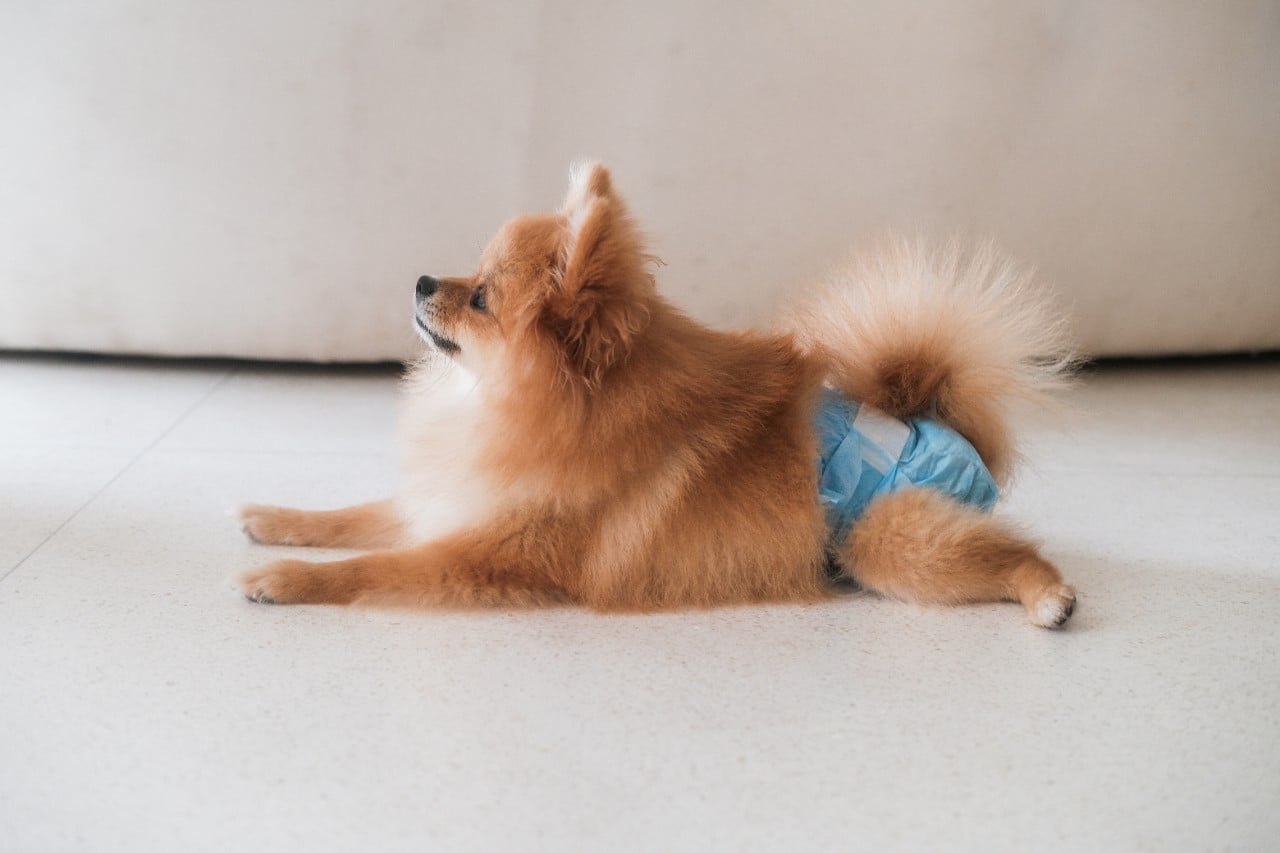
  • Never scold your dog for confused or inappropriate behaviour, such as peeing in the wrong place; this will only increase their stress and confusion

In addition to preventing unwanted litters, neutering balances hormones and can help mitigate aggressive or hyperactive behaviours, which is why it’s a big part of responsible pet ownership.

Neutering an older dog might not drastically change their personality, but it can still reduce hormone-driven behaviours associated with reproduction, particularly in male dogs, regardless of age. These behaviours include:

  • Aggression and dominance behaviours
  • Territory marking
  • Roaming in search of a mate
  • Following and mounting female dogs

So, do dogs’ personalities change as they get older? In many cases, yes – and sometimes for the better. While some changes may require medical attention, others reflect natural ageing and maturity, such as increased calmness, affection and confidence.

You know how your dog normally behaves, so try to keep an eye out for any differences. While many personality changes in older dogs are nothing to worry about, a dog acting strangely in later life may have a physical condition that’s affecting their behaviour. If you’re worried about your dog’s personality changes, always consult your vet so they can investigate any health concerns as soon as possible. 

If you have dog insurance with Petplan, you can also access our Pet Expert Chat through your My Petplan account to speak with experienced professionals about changes in your dog’s behaviour.

Found this article useful? Want to see similar content and engage with like-minded dog owners? Follow us on Petplan’s Facebook page.
Brian Faulkner - Article expert
FRCVS Petplan Vet Expert

Brian has been a vet for over 30 years. He is a past-President of the UK Society of Practising Veterinary Surgeons and an Associate Professor at Nottingham Veterinary School. He has worked in more than 250 veterinary practices as a clinician, as well as hundreds more as a consultant, and confidence coach.

Find out more about Brian

Follow us

Petplan is a trading name of Pet Plan Limited (Registered in England and Wales with company number 1282939) and Allianz Insurance plc (Registered in England and Wales with company number 84638). 

Pet Plan Limited is authorised and regulated by the Financial Conduct Authority. Financial Services Register No. 311969. Allianz Insurance plc is authorised by the Prudential Regulation Authority and regulated by the Financial Conduct Authority and the Prudential Regulation Authority, reference number 121849. Registered address for both companies: 15 Bishopsgate, London, EC2N 3AR. Pet Plan Limited is a subsidiary of Allianz Insurance plc.