How to give your puppy a health check

Brian Faulkner - Article expert
Dr Brian Faulkner
Veterinary Surgeon
RCVS Registered
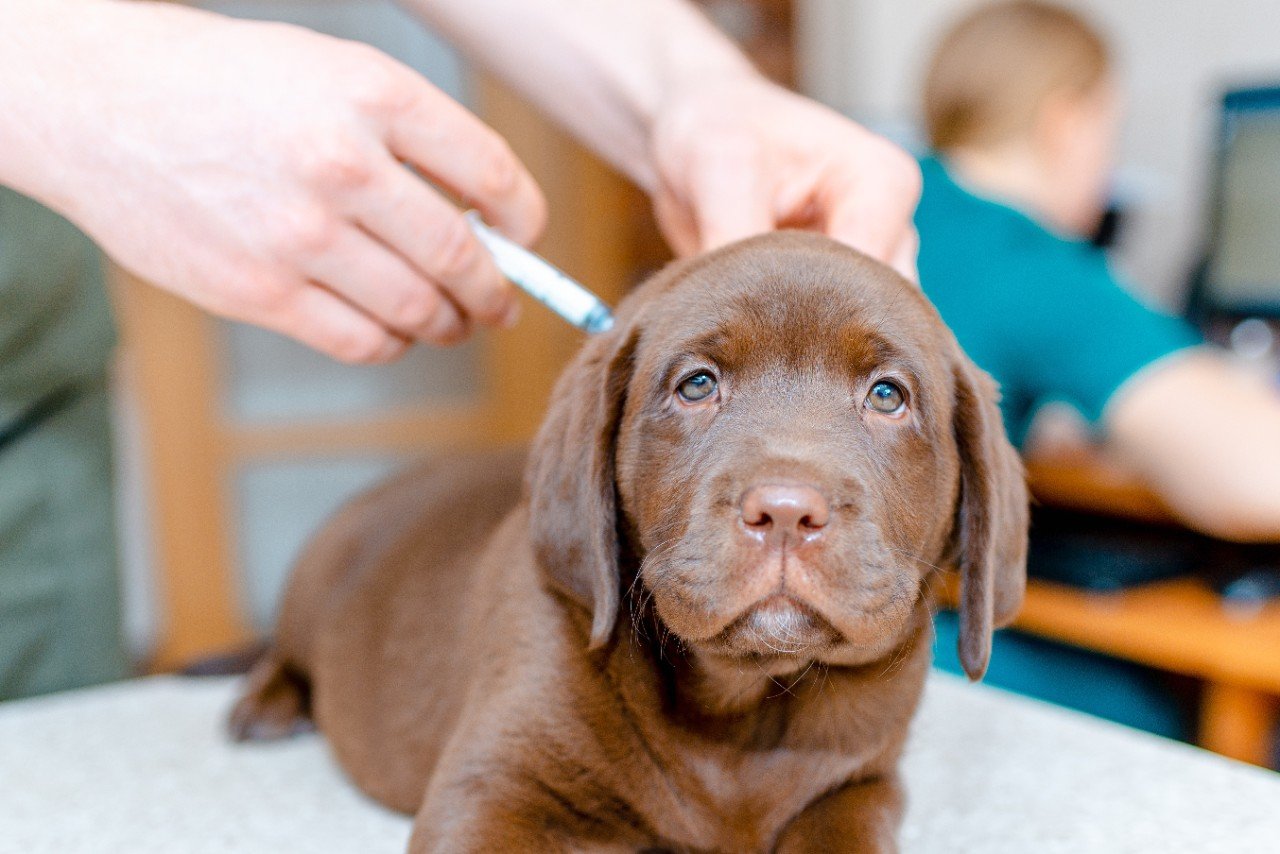
As well as the annual dental check up and booster vaccinations required by your puppy insurance, it’s a good idea to have your dog looked at by the vet at least once a year. You can also play your part by regularly checking your dog’s eyes, teeth, skin and joint health, as vet Brian Faulkner explains. These checks will help ensure that problems are detected and treated as early as possible.

Quick Links

It’s important to give your puppy regular health checks so they are used to being examined in case they do need veterinary attention. Becoming familiar with your puppy’s body will also help you to know what is normal for them and may provide an early warning if anything is wrong.

It takes just five minutes to give your puppy a health check. Your puppy’s regular checkup should include the following:


Your puppy’s outer ear should be clean, with a pale pink lining and some wax. Signs of infection include an off-white discharge, a bad smell or irritation and inflamed skin around the ears. If there’s a black or waxy discharge, and your dog is scratching their ears, it could be mites.
Becoming overweight puts your puppy at risk from a range of health problems including arthritis, diabetes and breathing problems. If you do need to reduce their food, do it gradually. You can ask your vet for advice.
As your puppy is young, they are likely to have healthy teeth. Although it is still good to check them regularly in case anything is amiss. As your dog ages, it is important to check for hardened plaque or tartar, or reddening of the gum where it meets the top of the tooth. This can cause bad breath and bacteria, which can infiltrate into the bloodstream.
A glossy coat is a sign of good health. Excessive scratching or dandruff can be signs of fleas or other parasites. These can be remedied and prevented with the right veterinary-recommended treatment.
Limping or lameness could be caused by a growth problem such as elbow dysplasia or hip dysplasia or an athletic injury. If your puppy limps or winces in pain when you flex and extend their legs, you should see your vet.
Brian Faulkner - Article expert
Petplan Vet Expert

Brian graduated from Edinburgh Vet School in 1995 and has worked in over 250 practices as a clinical locum before setting up and developing his own veterinary practices as start-ups over the last 25 years. He currently owns and works as a clinician three days a week in his current practice in Suffolk. He was the UK Petplan Vet of the Year in 2008.

Find out more about Brian

Follow us

Petplan is a trading name of Pet Plan Limited (Registered in England No. 1282939) and Allianz Insurance plc (Registered in England No. 84638), Registered office: 57 Ladymead, Guildford, Surrey GU1 1DB.

Pet Plan Limited is authorised and regulated by the Financial Conduct Authority. Financial Services Register No. 311969. Allianz Insurance plc is authorised by the Prudential Regulation Authority and regulated by the Financial Conduct Authority and the Prudential Regulation Authority. Financial Services Register No. 121849. Pet Plan Limited is a subsidiary of Allianz Insurance plc.