
Most cats love laying in a sunny spot, even when it’s very hot. But just like us, they can get sunburned. Here’s what you need to know about the causes, symptoms and risks of sunburn in cats, plus how to protect your cat.
Can cats get sunburn?
Expert approved

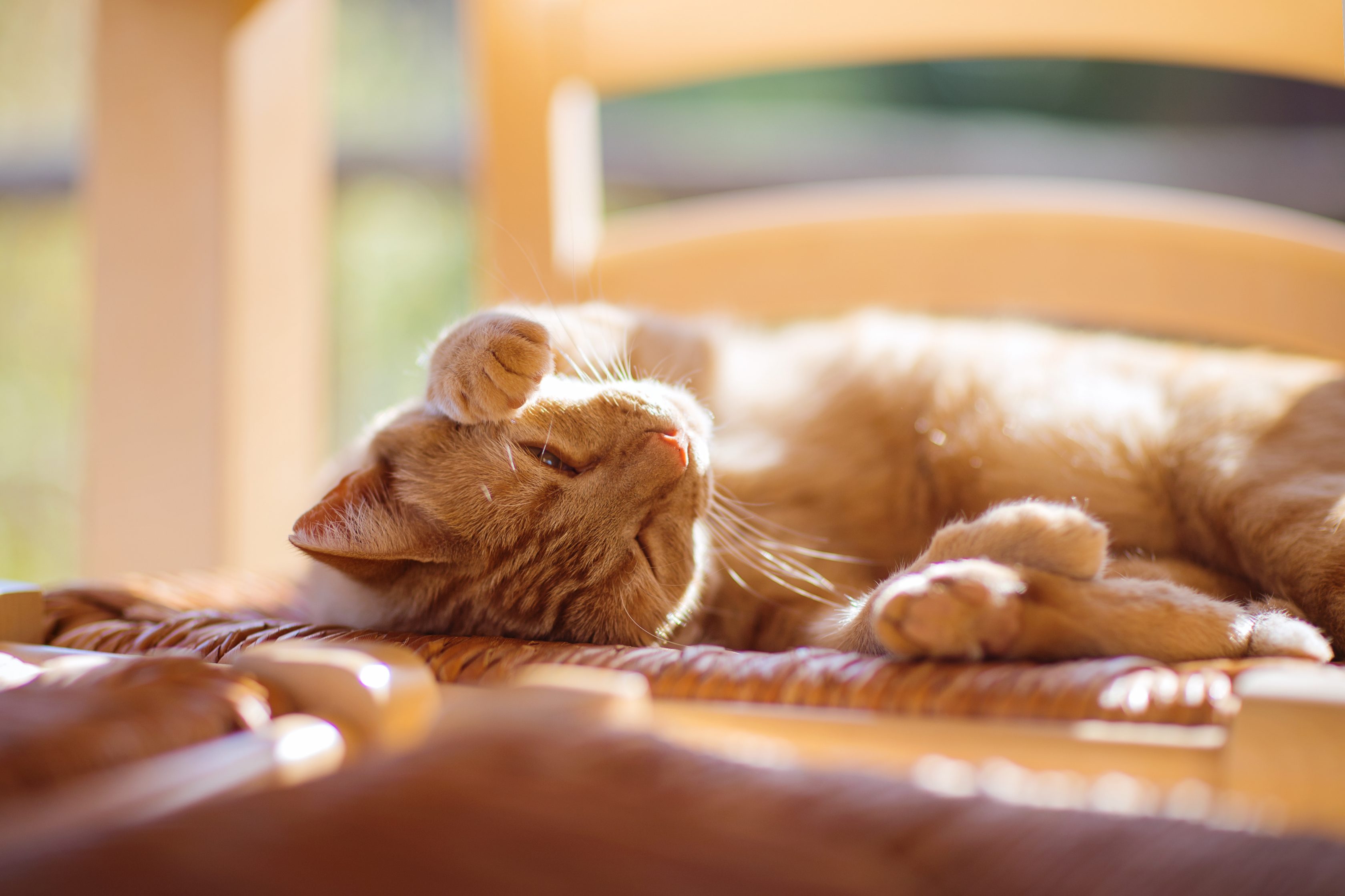
Cats love to bask in the sun, but can they get too much of a good thing? Here’s everything you need to know about sunburn in cats.
Quick Links
Can cats get sunburned?
Just like us, cats can get sunburn when exposed to ultraviolet (UV) rays from the sun. These rays damage the surface of their skin.
Causes of sunburn in cats
If your cat spends too long basking in the sun, especially during summer, they may start to overheat, but they’re also at risk of sunburn.
Because cats have a thin epidermis – the outermost layer of skin – they can be very sensitive to the effects of too much sun. While all cats can get sunburn, certain cat breeds and colours are at a higher risk.
Can hairless cats get sunburned?
Most cat breeds have fur to protect their body from sunburn, but hairless breeds – such as Sphynx cats – are at a much higher risk of getting sunburned, especially if they have pale-coloured skin.
Can white cats get sunburned?
Cat breeds with white, cream, or light-coloured hair are more likely to suffer from sunburn. This includes breeds such as the British Shorthair, Siamese, Ragdoll, Persian, and Ragamuffin.
The risk of sunburn is higher in white cats because their skin has less melanin, the pigment that helps protect skin from sun damage. If cats of any breed have white hair on their ears and face, these areas are more likely to get sunburned and could become cancerous.
Symptoms of sunburn in cats
Sunburn typically affects areas of your cat’s body where they have less hair. For most cats, this includes the edges of their ears, nose and around their eyes. Some cats also have thinner hair on their stomachs, so this area can also get sunburned if your cat likes to sleep in the sun on their back.
For hairless cats or breeds with thin hair, such as the Devon Rex, sunburn can happen anywhere on their bodies.
The most common signs of sunburn in cats include:
- Red or inflamed skin
- Crusty scabs
- Swelling
How to treat sunburn in cats
If you think your cat is sunburned, it’s best to speak to your vet for advice. If you’ve got cat insurance with Petplan, you can use our Pet Expert Chat feature to speak with an expert at any time of day. Log in to your My Petplan account and go to the MySupport area to access.
Depending on the severity of the sunburn, your vet might advise treatment including:
- Topical creams
- Antibiotics
- Pain relief
Over time, repeated sun exposure can lead to squamous cell carcinoma (SCC), a type of skin cancer. Treatment for SCC usually involves surgery or radiotherapy. The best way to reduce the risk of your cat developing SCC is to keep them protected from the sun.
How to keep your cat safe in the sun
If your cat is prone to sunburn, it’s important to protect them as much as possible.
- Keep them indoors during the hottest part of the day: The risk of sunburn is usually greatest from 10am to 3pm, so consider keeping your cat inside at this time.
- Always have fresh water available: During hot weather, it’s easy for your cat to become dehydrated. Leave a few water bowls in different locations and make them some tasty summer snacks to keep hydration levels up.
- Use a pet-safe sunscreen: Apply sunscreen to your cat’s ears, nose, and anywhere else where their hair is thinner. Reapply when necessary. Never use sunscreen designed for humans, as this can contain ingredients that are toxic to cats.
- Offer plenty of shade: When your cat is outside, make sure they’ve got some shady places to rest. If your garden doesn’t have much natural shade, consider placing some cardboard boxes outside for your cat to nap in or creating a shaded spot for them.
FAQs
Can cats' ears get sunburned?
Your cat’s ears are one of the most likely areas to get burned, as well as their nose and face. If your cat has white ears, the risk of them getting sunburn is even higher.
Can cats get sunburned through a window?
Even indoor cats are at risk of sunburn. Most glass windows do filter out some harmful UV rays, but not all of them. While the damage may take longer, it’s worth protecting yourindoor cat if they like spending a lot of time on a sunny windowsill. Use pet-safe sunscreen, or close the curtains during the hottest part of the day.
Found this article useful? Want to see similar content and engage with like-minded cat owners? Follow us on Petplan’s Facebook page.
Dr Brian Faulkner

Related articles


Follow us

Petplan is a trading name of Pet Plan Limited (Registered in England and Wales with company number 1282939) and Allianz Insurance plc (Registered in England and Wales with company number 84638).
Pet Plan Limited is authorised and regulated by the Financial Conduct Authority. Financial Services reference number 311969. Allianz Insurance plc is authorised by the Prudential Regulation Authority and regulated by the Financial Conduct Authority and the Prudential Regulation Authority, reference number 121849. Registered address: 15 Bishopsgate, London, EC2N 3AR.