
The great outdoors might be exciting for many cats, but for others, it’s not the best environment. Indoor cats still need to express their natural behaviours, so if you’re the owner of an indoor cat, it’s important to make sure their essential needs are met.
Indoor cats: Keeping cats inside
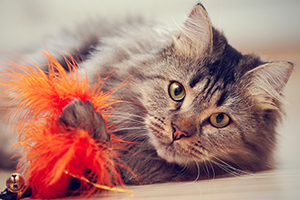
If your cat lives indoors, it’s even more important to provide them with plenty of physical and mental stimulation. Here’s how to keep them as happy and healthy as possible.
Quick Links
Why do some cats need to be kept indoors?
Cats live inside for a range of reasons, including:
- Health issues, such as blind, deaf or FIV
- Owners worried about living near busy roads
- Concerns about the risk of being stolen, such as if they’re pedigree cats
- Owners don’t want their cats catching wildlife
- Problems with other cats in the neighbourhood
Some cats live indoors permanently, while others might stay indoors for the winter.
Is it cruel to keep a cat indoors?
It’s not cruel to keep cats indoors, as long as their essential needs are met. This means owners of indoor cats should ensure their pets have plenty of opportunities to behave as naturally as possible.
However, some cats aren't able to cope with living indoors only, so it’s important to monitor your cat’s behaviour and to watch out for any signs that they’re struggling – excessive vocalisation, restlessness, or destructive behaviours, for example.
Essential needs for happy indoor cats
Ensure your indoor cat’s needs are met by providing the following.
Nutrition
Indoor cats are often less active than outdoor cats, so it’s important to feed them a high-quality diet in the right quantities. Remember to account for any treats in their daily rations to reduce the risk of your cat gaining too much weight. Ask your vet if using a food specifically designed for indoor cats would be the right choice.
Stimulating indoor environment
Just like cats who spend time outdoors, indoor cats need plenty of mental and physical stimulation.
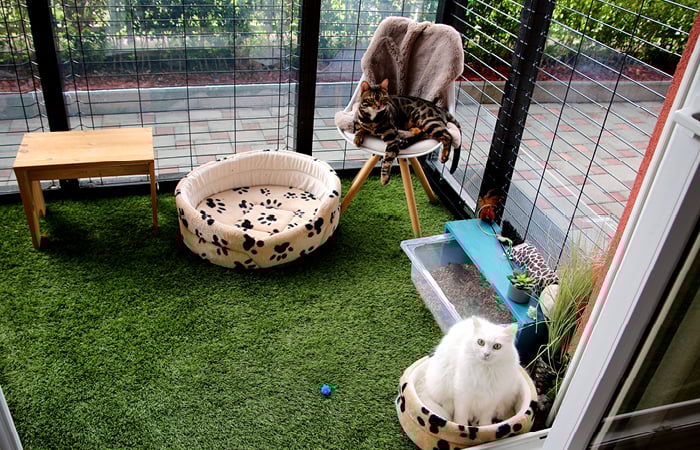
Create a stimulating indoor environment by using cat trees, shelves, scratching posts and puzzle feeders to keep your cat entertained. Regular play or training sessions help your cat stay active, while access to views out of windows, or a catio, can help bring the outdoors in.
Grooming and hygiene
Indoor cats often spend a lot of time grooming, which can increase therisk of hairballs. Set aside time to brush your cat each week if they’re shorthaired, and each day if they’re long-haired.
Keep litter trays clean and make sure they’re situated well away from your cat’s food and water bowls.
Health and veterinary care for indoor cats
Indoor cats can still catch preventable diseases, so it’s important to make sure they’re fully vaccinated. While indoor cats might be less likely to pick up fleas, ticks and other parasites, they still need regular flea and worming medications.
Although they might be safe from cat fights or road traffic accidents, indoor cats can still suffer from illnesses that need vet treatment. Insuring your cat means you don’t need to worry about unexpected or expensive vet bills.
Keep an eye out for behaviours that can indicate an issue, including:
- Spraying
- Inappropriate play
- Scratching furniture
- Toileting outside the litter tray
- Hiding more than usual
- Aggressive-type behaviours
- Meowing at the window or door
If you notice these, speak to your vet for advice to rule out medical reasons, and then get a referral to a qualified behaviourist from the Animal Behaviour and Training Council. If you have cat insurance with Petplan, you can also use our Pet Expert Chat to ask your questions – simply log into your My Petplan account to access.
Best indoor cat breeds
With the right approach, it’s possible for a cat to be kept indoors. Speak to a respectable animal welfare charity for their advice to match the right cat to the right home.
How to keep indoor cats entertained
Instead of exploring the outdoors, indoor cats rely on their owners to provide the mental and physical stimulation they need.
If you’re not sure where to start, try these fun activities to keep your cat entertained. You can also speak to a qualified cat behaviourist to help identify any areas for improvement and receive tailored advice for your situation.
Cat toys
If your inside cat loves playing with toys, make sure they have plenty of opportunities for playtime. Regular play sessions will help your cat stay mentally and physically stimulated, and engage their hunting instinct.
Experiment with different toys to see which your cat likes best. Some love crinkly toys that can be batted around, while others prefer kicker toys they can chase and catch. It’s also a good idea to swap your cat’s toys over regularly, so they don’t get bored. For an added thrill, keep their favourites hidden until playtime. Keep fishing rod toys safely out of a cat’s reach when not being used as they can be a safety hazard.
Creating a hammock
Most cats love being high up, because it makes them feel safe. For indoor cats, recreate spaces like trees and roofs by clearing shelves and wardrobe tops. Depending on how athletic your cat is, placing a chair or stool nearby will help them climb up to their new vantage point.
You can also try making a DIY hammock for your cat to relax or play in. You’ll need a worn-out, stretchy T-shirt, some scissors and a sturdy dining room chair. Simply cut open the shoulder areas and down each side (about 15-20cm), tying the ends firmly around chair legs.
Hide treats
There’s lots of scents for your cat to investigate when they’re spending time outside. Recreate this experience by hiding cat treats in a crumpled piece of paper, egg box or toilet roll with the end folded over. You could even try sprinkling treats in a cardboard box and then covering them with leaves from outdoors.
Just remember to deduct the calories of these treats from their daily allowance, so your cat doesn’t gain extra weight.
Can an indoor cat become an outdoor cat?
If you’re thinking about transitioning your indoor cat to an outdoor cat, the good news is it can be done, and most indoor-only cats thrive on being given outdoor access. Before you let your cat outside, spend some time teaching them to come when called, so you can encourage them to return home when they start exploring further afield.
It’s best to introduce them to the outdoors very slowly and with supervision. Start in your garden and allow them to explore for a few minutes, giving them plenty of praise and treats. Bring them back inside and repeat the process the next day, gradually increasing the amount of time outside. It’s also a good idea to teach your cat to use a cat flap and to bring them inside at night.
If your cat seems to be struggling with the transition, speak with a qualified cat behaviourist who can provide tailored advice.
FAQs about indoor cats
Indoor cats can get bored if they don’t have enough mental and physical stimulation. To avoid this, make sure they have plenty of outlets for natural behaviours such as stalking, hiding and climbing, as well as providing feeding enrichment and regular interactive play sessions, several times a day.
Indoor cats have fewer chances to entertain themselves, so owners might need to spend more time playing with them. How often you play with your inside cat depends on their age and personality, but starting with two or three short sessions per day is a good idea.
Microchips are mandatory for all pet cats over the age of 20 weeks in England, including indoor only cats. Outside of this, it’s still very important to get your cat microchipped to facilitate them being safely returned to you if they go missing. Even if your cat lives indoors, they still need to be microchipped. If they escape through an open window or door, their microchip means you’re much more likely to be reunited as soon as possible.
Found this article useful? Want to see similar content and engage with like-minded cat owners? Follow us on Petplan’s Facebook page.
Related articles



Follow us

Petplan is a trading name of Pet Plan Limited (Registered in England No. 1282939) and Allianz Insurance plc (Registered in England No. 84638), Registered office: 57 Ladymead, Guildford, Surrey GU1 1DB.
Pet Plan Limited is authorised and regulated by the Financial Conduct Authority. Financial Services Register No. 311969. Allianz Insurance plc is authorised by the Prudential Regulation Authority and regulated by the Financial Conduct Authority and the Prudential Regulation Authority. Financial Services Register No. 121849. Pet Plan Limited is a subsidiary of Allianz Insurance plc.