Is your senior cat getting enough exercise?

Brian Faulkner - Article expert
Brian Faulkner
Veterinary Surgeon
RCVS Registered
A cat walks on grass
If you’ve got a senior cat, it’s important to make sure they’re getting enough exercise. Here’s how to check – plus five ideas on how to keep them active as they age.

Quick Links

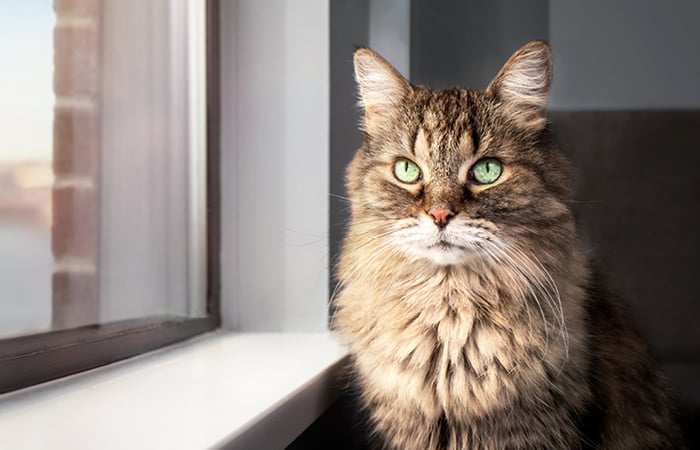
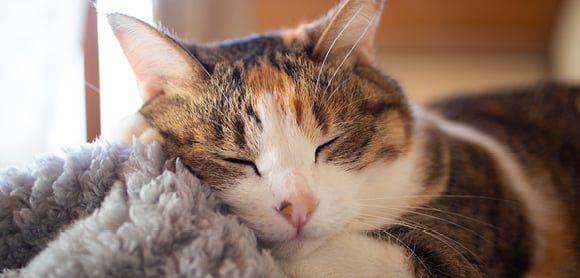
Senior cats might sleep more than they used to, but it’s still important they get enough exercise. Keeping active helps them to maintain a healthy weight, stay mentally stimulated and keep their joints and muscles strong – everything needed to live a long and healthy life.

But once your cat reaches the senior age bracket, you might need to encourage them to exercise a little more, or offer some alternative activities to make things a little easier.

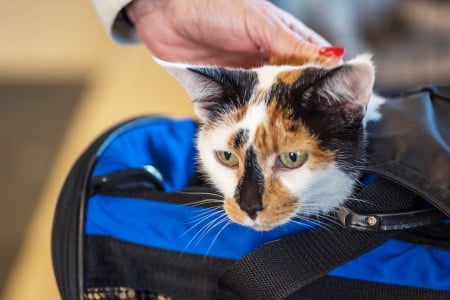
Once your cat turns eight, they’re typically considered senior.

Lots of factors influence how quickly your cat ages, including their lifestyle, genetics and any existing health issues.

Most senior cats need around 20-30 minutes of activity per day. This will typically be split into short bursts throughout the day. It doesn’t need to be intense either – activities such as gentle climbing, a quick play session or a walk through the garden all count.

If you have an indoor house cat, exercise inside is even more important, since they won’t be exploring the outdoors.

Some senior cats might need a little encouragement to exercise, so here are five ways to keep them active.

Cats love hunting and foraging, so make the most of this by combining mealtimes with gentle activity. A puzzle feeder or treat-dispensing ball can encourage your cat to work for their food, as they have to move levers or push a ball to get to their kibble.

This can help keep your cat’s brain active and makes them feel more satisfied. Puzzle toys come in various difficulty levels, so if your cat hasn’t used them before, they may get frustrated with a harder option. You can even make your own puzzle toys by filling an empty egg box with kibble and letting your cat pick out the food.

If your senior cat has had the same toys for a while, they might not be that interested in them any more. New toys can spark your cat’s curiosity and encourage them to sniff, paw and chase. Rotate your cat’s toys to keep things interesting, without having to buy more.

Some cats will be entertained by a large cardboard box with some treats or catnip sprinkled inside. Even DIY cat toys – such as a crumpled up ball of cat-safe paper – can be exciting if it’s not something your cat usually plays with.

Senior cats are still playful, just at a slower pace. Set aside a couple of 5-10 minute sessions each day to play with your cat and motivate them to move. These sessions use your cat’s natural hunting instincts and offer mental and physical stimulation.

Use soft toys like fishing rods with a feather attached or catnip-filled kicker toys. Let your senior cat catch the toy, then reward them with plenty of treats and praise. You can exercise with your cat, too, by encouraging them to take a short walk with you in the garden.

Your senior cat might not be able to scale the tallest tree in the garden anymore, but they’ll still need to stretch, scratch and climb. Consider adding a low cat tree with wide platforms, or a gentle ramp for them to climb up onto furniture instead of jumping.

Adding horizontal scratch pads can also encourage natural scratching behaviour, and this position might be more comfortable than the upward stretch needed for traditional vertical scratching posts.

Encourage gentle exercise with a short obstacle course. This also helps maintain proprioception skills by testing your cat’s awareness of their body position and movement.

Keep things simple to start with by placing cushions for your cat to walk between. Then, add a cardboard box tunnel or a row of books for them to step over – just make sure everything is stable before your cat uses it.

Guide your cat through the course using toys or treats, and offer plenty of praise once they’ve navigated their way through. Next time, switch things up by changing the obstacles.

Gentle, regular movement is essential for your senior cat's health and wellbeing. But too much can lead to injuries. Watch out for signs of overexertion, including:

  • Signs of pain
  • Rapid breathing
  • Stiff movements
  • Hiding or withdrawing
  • Sitting or lying in awkward positions

If your senior cat seems tired, encourage them to rest. If they don’t bounce back, it’s always best to speak with your vet for advice. If you have cat insurance with Petplan, use our free Pet Expert Chat feature to connect with vet professionals, 24/7. Simply log in to your My Petplan account and head to the My Support area.

Found this article useful? Want to see similar content and engage with like-minded cat owners? Follow us on Petplan’s Facebook page. 
Brian Faulkner - Article expert
Petplan Vet Expert

Brian is a long standing vet and President of the UK Society of Practising Veterinary Surgeons. He's worked in more than 250 veterinary practices as a clinician, consultant and confidence coach. Brian holds several academic positions, is a keynote speaker and the founder of Colourful CPD, and organisation providing training for veterinary practices.

Brian co-writes our articles on pet health, where we cover everything from common conditions to supporting your pet after an operation.

Find out more about Brian

Follow us

Petplan is a trading name of Pet Plan Limited (Registered in England No. 1282939) and Allianz Insurance plc (Registered in England No. 84638), Registered office: 57 Ladymead, Guildford, Surrey GU1 1DB.

Pet Plan Limited is authorised and regulated by the Financial Conduct Authority. Financial Services Register No. 311969. Allianz Insurance plc is authorised by the Prudential Regulation Authority and regulated by the Financial Conduct Authority and the Prudential Regulation Authority. Financial Services Register No. 121849. Pet Plan Limited is a subsidiary of Allianz Insurance plc.