Help! My cat doesn’t want to go to the vet

Brian Faulkner - Article expert
Brian Faulkner
Veterinary Surgeon
RCVS Registered
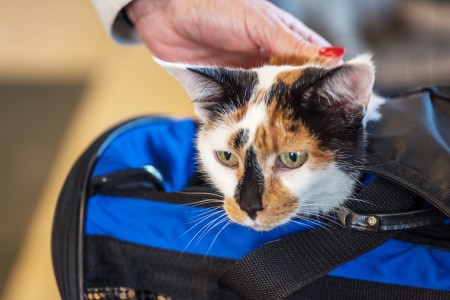
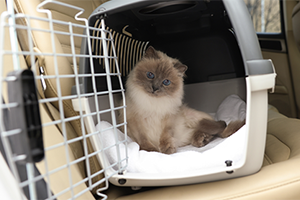
cat in a cat carrier
Whether your cat needs their annual vaccinations or is just due for a check-up, visits to the vet are inevitable. Here’s our step-by-step guide on how to calm a stressed cat when visiting their least favourite place.

Quick Links

Taking your cat to the vet can be a stressful experience for both of you. But with a little planning and preparation, it doesn’t have to be. 

Whether you have a kitten, adult or senior cat, knowing how to relax your pet can make trips to the vet much smoother.

Yes. Even healthy cats need regular vet care. Routine check-ups help detect health issues early, keep vaccinations up to date, and allow your vet to monitor your cat’s weight and overall health. Cats also need annual dental check-ups to ensure their teeth and gums remain healthy.

Cats are extremely good at hiding signs of pain, so waiting until symptoms appear can sometimes mean that issues go untreated.

How often your cat needs to go to the vet depends on their age and health. Kittens need regular visits until all their vaccinations are complete. Healthy adult cats might only need to visit the vet for a health check once a year, unless they have an accident.

Senior cats may need more regular visits, especially if they have health conditions that need treatment. If you’re unsure, your vet can recommend the best routine for your cat’s needs.

Cats have good memories, so they will typically remember previous vet visits. 

If they had a stressful time, they may associate their cat carrier with unpleasant memories and run away or hide when you bring it out for a trip to the vet. But with some positive reinforcement, you can create better memories around their carrier and trips to the vet.

Preparation is the best way to keep vet visits as stress-free as possible, so take some time to get your cat ready by following these steps.

Prepare for vet visits by familiarising your cat with their carrier. At home, keep the carrier somewhere easily accessible, so they’re more likely to use it as a cosy spot to curl up, rather than just associating it with going to the vet.

Should you feed your cat before going to the vet? Yes, but it’s best to feed them well in advance to avoid travel sickness. Aim to feed your cat at least three hours before you’re due to leave.

Synthetic pheromone sprays can help cats feel calm, especially in unfamiliar environments. Try spraying your cat’s carrier 15 minutes before you leave. If you don’t have a pheromone spray, try wiping a soft cloth on your cat’s face to pick up their scent, then wipe this on the inside of the carrier.

Some cats panic at the sight of their cat carrier. Try leaving the carrier out, placing a blanket in it, then sprinkling some treats or catnip inside. This can encourage your cat to explore their carrier without the stress of being closed inside. 

Leave this blanket in the carrier for vet trips, as the familiar scent can help ease your cat’s nerves. For senior cats with arthritis, adding another blanket for some extra padding can make things more comfortable.

If your cat panics at the sight of the carrier, keep calm and try wrapping them in a towel or blanket before easing them in. Placing them in backwards, or using a top-loading carrier, can help nervous cats.

Once your cat is in the carrier, they might be vocal. Cover the carrier with a blanket to minimise visual stimulation and talk to your cat in a soothing tone. If you’re travelling to the vet in a car, place your cat’s carrier on the back seat and secure it with the seatbelt, or place it in the footwell.


Once you’re at the vet, take care not to tilt your cat’s carrier. Try to find a quiet corner to wait and keep the carrier covered. Seeing and smelling other pets may be stressful for some cats. 

If your cat gets particularly stressed, ask the staff if you can wait outside until you can go directly into the examination room.

Your vet will know how to hold and reassure your cat while completing any vaccinations, health checks or procedures. Stay nearby so you can stroke your cat and reassure them with your voice.

When you get home, give your cat time to decompress. If they normally go outside, try to keep them indoors for a few hours. Some cats might take themselves off for a nap somewhere quiet, so don’t disturb them. Others might be hungry and ready for a meal. 

Most cats settle down after a few hours, especially if they had a calm experience. But if your cat’s stress continues across multiple visits, ask your vet for advice. If you have cat insurance with Petplan, you can also try our Pet Expert Chat feature to connect with professionals who can answer any questions you may have.

Found this article useful? Want to see similar content and engage with like-minded cat owners? Follow us on Petplan’s Facebook page.
Brian Faulkner - Article expert
Petplan Vet Expert

Brian is a long standing vet and President of the UK Society of Practising Veterinary Surgeons. He's worked in more than 250 veterinary practices as a clinician, consultant and confidence coach. Brian holds several academic positions, is a keynote speaker and the founder of Colourful CPD, and organisation providing training for veterinary practices.

Brian co-writes our articles on pet health, where we cover everything from common conditions to supporting your pet after an operation.

Find out more about Brian

Follow us

Petplan is a trading name of Pet Plan Limited (Registered in England No. 1282939) and Allianz Insurance plc (Registered in England No. 84638), Registered office: 57 Ladymead, Guildford, Surrey GU1 1DB.

Pet Plan Limited is authorised and regulated by the Financial Conduct Authority. Financial Services Register No. 311969. Allianz Insurance plc is authorised by the Prudential Regulation Authority and regulated by the Financial Conduct Authority and the Prudential Regulation Authority. Financial Services Register No. 121849. Pet Plan Limited is a subsidiary of Allianz Insurance plc.