7 things your senior cat would like to tell you

Nicky Trevorrow - Article expert
Nicky Trevorrow
Behaviour Manager
Cats Protection
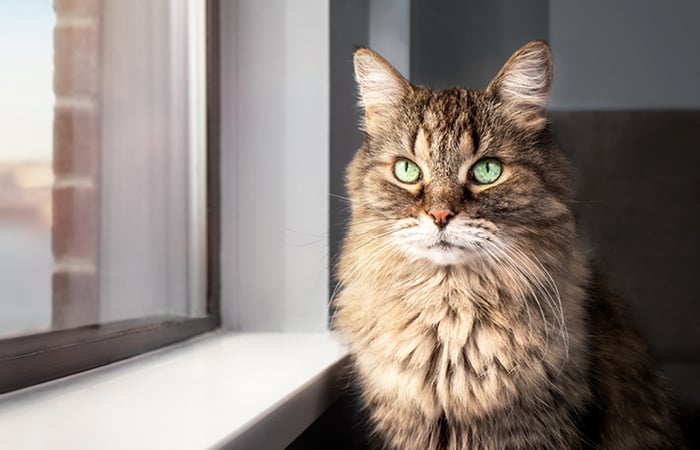
A cat sits by a window
You might know when your elderly cat is tired or hungry, but senior cat care also means being able to adapt to their changing needs. Here are seven things your senior cat would like to tell you.

Quick Links

Cats are typically considered senior when they reach 8-10 years old. Some cats might start showing signs of age earlier, while others still act like playful kittens well into their teens.

As your cat starts to age, their physical and mental health starts to change as well. That means they might need adjustments to their lifestyle. To help you pick up on your elderly cat’s needs, here are seven things they might like to tell you.

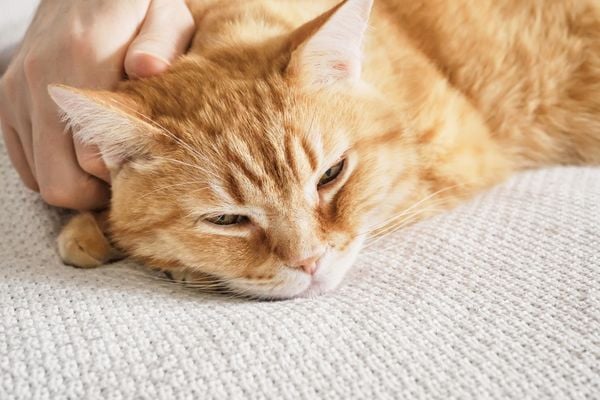
Joint pain, dental issues and stiffness can make it harder for your senior cat to groom themselves.

Caring for senior cats includes grooming them regularly – especially if they’re long-haired – as well as brushing their teeth. When stroking your cat, check if any areas are starting to look matted or not as clean as usual. This is also a good time to check for any other health issues.

When you’re grooming your cat, check their claws too. Cats tend to use their claws less as they age, so you might notice they’re longer than normal. Clip their nails if necessary, or take them to the vet or a professional groomer for assistance.

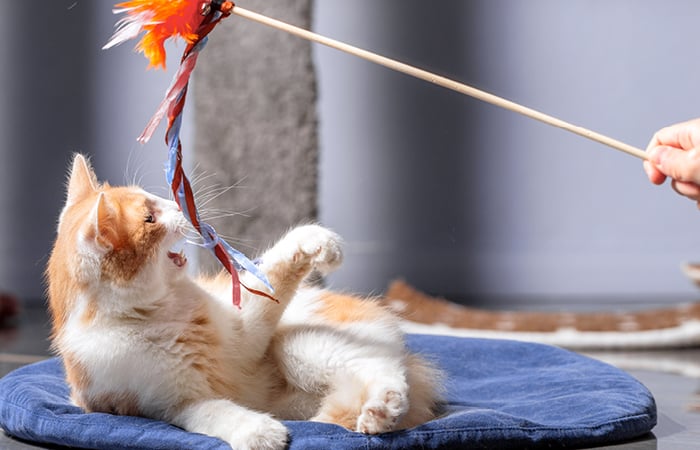
Senior cats may be less active, but many still enjoy playing when the mood strikes. Physical exercise and gentle activity can also help older cats maintain a healthy weight and keep their muscles strong.

Aim for 20-30 minutes of exercise per day, split into shorter sessions. Around 10 minutes of playtime will be enough for most senior cats. Aim for gentle movements, without any jumping. Try soft catnip-filled toys, or a fishing rod toy your cat can chase.

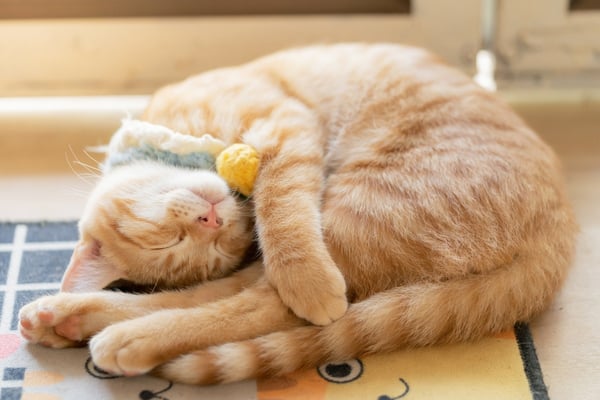
Adult cats sleep for up to 18 hours a day, broken into short naps throughout the day and night. As your cat ages, you’ll probably notice them sleeping even more. Usually, this isn’t an issue, but it’s worth keeping an eye out for any strange behaviour.

If your cat is hiding away to sleep or showing signs of pain when they wake up, it’s a good idea to schedule a check-up with your vet. They’ll be able to look for any underlying health issues that may be affecting your cat’s sleep.

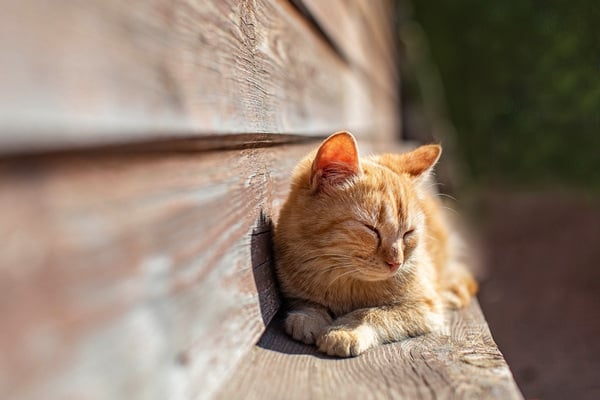
Senior cats feel the cold more, so over winter, you might notice them spending more time in a warm spot inside.

Make sure your elderly cat has plenty of warm places to sleep around the house. Try placing a bed near a radiator, adding a blanket, or choosing a covered cat bed that retains more of their body heat. A heated cat bed can also help soothe arthritis and other joint conditions, which can be more painful in cold weather.

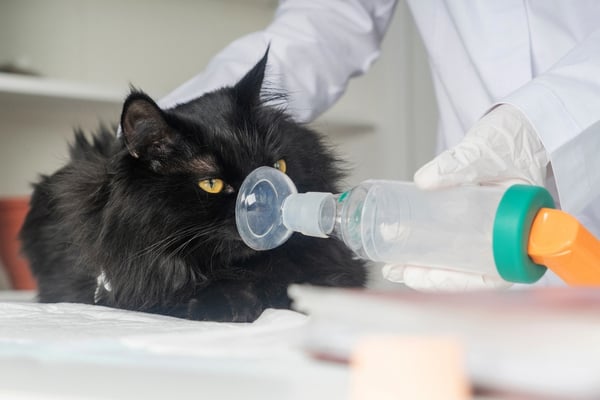
Even if your cat has had a healthy life so far, it’s a good idea to schedule regular vet check-ups as they age. These can help spot the early warning signs of health issues such as diabetes and kidney disease.

If you notice your cat behaving unusually or showing signs of pain, it’s always best to speak with your vet for advice. If you have cat insurance with Petplan, use our free Pet Expert Chat feature to connect with vet professionals for advice. They’ll be able to help you work out if what you’re seeing is normal or needs further investigation. Just log in to your My Petplan account and go to the My Support area to get started.

Watch out for signs that your cat needs dietary changes. Older cats can naturally start to eat less as they’re not as active, so need fewer calories. But if your cat is leaving dry food in their bowl and still seems hungry, they might have sore gums or dental issues. Ask your vet about switching to a food designed specifically for senior cats.

Keep an eye on how much water your senior cat drinks, too. If they’re drinking a lot more or less than usual, this can sometimes be linked to health conditions like an overactive thyroid gland or kidney disease.

All cats like predictability and routine, but elderly cats may become stressed if their routine changes. Try to stick to consistent mealtimes, and keep your cat’s bed, litter tray and food bowl in the same spots as usual.

If you add a new cat bed or move things around, take the time to show your cat where everything is. Cats with cognitive dysfunction syndrome (CDS) may be unable to remember where things are, so speak to your vet if your cat seems disoriented or confused.

A routine is also a good way to keep an eye on your cat’s behaviour. If they’re not turning up at mealtimes, are more clingy than normal, or start showing signs of anxiety, these can be early warning signs that something is wrong.

Found this article useful? Want to see similar content and engage with like-minded cat owners? Follow us on Petplan’s Facebook page.
Nicky Trevorrow - Behaviour Manager
Behaviour Manager

Nicky leads the development and implementation of behaviour-focused initiatives at Cats Protection, ensuring that policies and strategies support the highest standards of cat welfare across the charity’s volunteer teams and centres.

She is passionate about educating others on the connection between behaviour and cat wellbeing, particularly in a shelter environment. Nicky also provides guidance to adopters, helping them understand their cat’s behaviour and fostering successful pet-owner relationships to reduce cats being returned to the charity.

Her academic background includes a BSc in Animal Behaviour from Anglia Ruskin University and a Postgraduate Diploma in Companion Animal Behaviour Counselling from the University of Southampton. Before joining Cats Protection in 2010, she worked as a registered veterinary nurse. Nicky is actively involved in the field, representing the charity on the Animal Behaviour and Training Council (ABTC), contributing to International Cat Care’s feline wellbeing panel, and holding full membership with the Association of Pet Behaviour Counsellors (APBC).

Follow us

Petplan is a trading name of Pet Plan Limited (Registered in England No. 1282939) and Allianz Insurance plc (Registered in England No. 84638), Registered office: 57 Ladymead, Guildford, Surrey GU1 1DB.

Pet Plan Limited is authorised and regulated by the Financial Conduct Authority. Financial Services Register No. 311969. Allianz Insurance plc is authorised by the Prudential Regulation Authority and regulated by the Financial Conduct Authority and the Prudential Regulation Authority. Financial Services Register No. 121849. Pet Plan Limited is a subsidiary of Allianz Insurance plc.