How to build a catio or safe space outside for your cat

Nicky Trevorrow - Article expert
Nicky Trevorrow
Behaviour Manager
Cats Protection
two cats in a play area
Fresh air, new scents and space to explore can be incredibly enriching for cats. Whether you have a garden, a balcony or just a window, there are plenty of ways to create a safe space that lets your cat enjoy the outdoors with confidence.

Quick Links

Many cats are naturally curious about the world beyond the door. Outdoor access can keep them fit, healthy and entertained – but safety should always come first. 

The good news is that you don’t need a large garden to give your cat a fulfilling outdoor experience. From luxury catios with cat-proof fences to smaller balcony catios and window solutions, we explore practical ways to build a safe and stimulating outside space for your cat, whatever your home setup.

A catio (short for ‘cat patio’) is a secure outdoor enclosure that allows your cat to experience the sights, sounds and smells of the outdoors, without roaming freely.

Catios are especially popular with owners of indoor cats, nervous cats or those living near busy roads. They offer enrichment, exercise and independence, while giving you peace of mind that your cat is safe. 

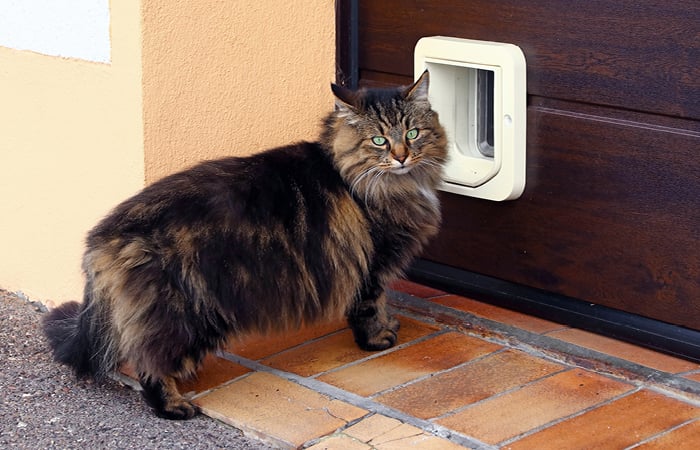
A catio can either be attached to your home, freestanding in the garden or connected via a window or cat flap.

There’s no single way to design a catio, which is why there are so many adaptable catio ideas and options to suit different spaces and budgets.

A window catio attaches directly to a window frame and is ideal for flats or homes without outdoor space. These small catio enclosures allow your cat to stretch out in the fresh air and watch the world go by.

A balcony catio turns a small outside space into a secure haven for your cat. Using mesh panels and sturdy framing, balconies can be safely enclosed while still letting in light and air.

If you have a garden, a larger outdoor catio can include multiple levels, scratching posts and weatherproof resting spots – perfect for confident explorers.

These can suit a range of budgets, from simple small catio kits starting at around £100–£200, to mid-range builds costing £300–£800. Some owners even install a luxury catio in their gardens with bespoke features, which can cost £1,000 or more.

Where possible, attach the catio to the house to provide your cat with free access, rather than a separate building away from the home that requires you to carry your cat out on schedule, as cats prefer to choose when to use the catio.

If you enjoy practical projects, a DIY catio can be a rewarding way to customise an outdoor space. There are many guides online showing how to build a catio, but safety is key.

If building your own, make sure mesh gaps are small and secure, materials are weather-resistant, and the structure is firmly fixed and stable. For extra tips, watch our video guide on creating a catio here.

If you’re not confident with DIY, ready-made catios can be a great option – especially if you want reassurance that the design has been safety-tested and is easy to install.

If your cat already enjoys time in the garden, consider a cat-proof fence. These connect to existing fences to prevent climbing or jumping over boundaries.

Securing the boundaries of your garden generally involves installing inwardly angled fence toppers, adding wire mesh or netting extensions, and blocking gaps under fences and hedges.

This approach can work well for confident outdoor cats, though it’s essential to check regularly for weak spots or new escape routes.

Whether you’re building a catio or cat-proofing a garden, these safety tips can keep your cat away from harm.

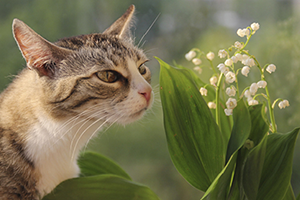
Many common plants are toxic to cats, including azaleas, foxgloves and crocuses. Always research before planting and remove anything harmful.

Lilies deserve special mention as all parts are highly toxic to cats and can cause kidney failure. If you suspect exposure, contact your vet immediately.

If you’d like advice on cat-safe plants, or if you’re concerned about your cat’s safety, Petplan customers with cat insurance can use our Pet Expert Chat feature to speak with a professional. Simply log in to your My Petplan account to access.

Slug pellets, weed killers and pesticides can be dangerous if ingested or absorbed during grooming. Choose pet-safe alternatives wherever possible and, ideally, adopt wildlife-friendly gardening practices instead.

Sheds and greenhouses can contain harmful chemicals or tools. Always check before locking doors and keep hazardous items stored safely.

Quiet toileting areas, raised platforms, hiding spots and shaded rest areas all help your cat feel relaxed and confident outdoors.

Every cat deserves the chance to explore safely. Whether that’s through a window catio, a balcony catio, a secure garden or a larger outdoor catio, small changes can make a big difference. With thoughtful design and the right support, you can create an outdoor space that’s ideal for your pet.

Found this article useful? Want to see similar content and engage with like-minded cat owners? Follow us on Petplan’s Facebook page.
Nicky Trevorrow - Behaviour Manager
Behaviour Manager

Nicky leads the development and implementation of behaviour-focused initiatives at Cats Protection, ensuring that policies and strategies support the highest standards of cat welfare across the charity’s volunteer teams and centres.

She is passionate about educating others on the connection between behaviour and cat wellbeing, particularly in a shelter environment. Nicky also provides guidance to adopters, helping them understand their cat’s behaviour and fostering successful pet-owner relationships to reduce cats being returned to the charity.

Her academic background includes a BSc in Animal Behaviour from Anglia Ruskin University and a Postgraduate Diploma in Companion Animal Behaviour Counselling from the University of Southampton. Before joining Cats Protection in 2010, she worked as a registered veterinary nurse. Nicky is actively involved in the field, representing the charity on the Animal Behaviour and Training Council (ABTC), contributing to International Cat Care’s feline wellbeing panel, and holding full membership with the Association of Pet Behaviour Counsellors (APBC).

Follow us

Petplan is a trading name of Pet Plan Limited (Registered in England No. 1282939) and Allianz Insurance plc (Registered in England No. 84638), Registered office: 57 Ladymead, Guildford, Surrey GU1 1DB.

Pet Plan Limited is authorised and regulated by the Financial Conduct Authority. Financial Services Register No. 311969. Allianz Insurance plc is authorised by the Prudential Regulation Authority and regulated by the Financial Conduct Authority and the Prudential Regulation Authority. Financial Services Register No. 121849. Pet Plan Limited is a subsidiary of Allianz Insurance plc.