
Some cats make it obvious who their favourite person is, while others share their affection more evenly. Understanding how cats choose their favourite person can help everyone in your family build a stronger bond with their feline friend.
How to be your cat’s favourite person
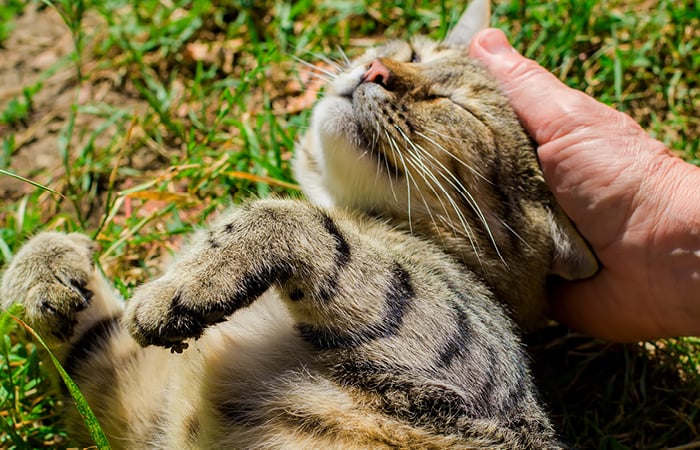
Do cats have a favourite person? Discover how cats choose their humans, signs you’re their favourite and ways to strengthen your bond.
Quick Links
Do cats have a favourite person?
Since the early days of domestication, cats have formed strong emotional bonds with people. Research suggests that many cats develop secure attachments to the people who care for them and can be reassured by their presence.
How do cats choose a favourite person?
Cats typically choose their favourite person based on the following factors.
Who feeds and cares for them
Cats often form close bonds with their primary caregiver, but it’s not just about food and routine. Cats enjoy calm, consistent interactions with people they’re used to.
Energy and tone
Cats will often bond better with people who respect their personal space, pay attention to their body language, and have a calm energy.
Early socialisation
Kittens who are well socialised from a young age tend to grow into confident, affectionate adult cats. Those exposed positively to a range of people (ideally at least four during the socialisation period) are also more likely to grow up friendly towards people in general.
Shared habits
Cats are sometimes drawn to people who share the same habits. For example, the person who always feeds them early in the morning, or someone who’s around during their preferred times to nap or play.
Can cats change their favourite person?
Just like us, a cat’s favourite person can change over time. If someone else in the family takes over feed times or spends more time playing with them, their preferences might shift. Changes in household dynamics, like a new pet or moving house, can also influence who your cats enjoy spending time with.
Do cats sleep on their favourite person?
Cats love staying close to the people they love. If your cat frequently sleeps on you, it’s one of the signs they love you, and there’s a good chance you’re already one of their favourite people. But if your cat isn’t a lap-napper, don’t worry – many cats show affection in different ways.
Am I my cat’s favourite person?
If you’re in charge of caring for your cat and spend the most time with them, there’s a good chance you’re already your cat’s favourite person. Watch out for the following clues.
Head bunts
When cats rub or bump their head on you, they’re often showing affection. This action also transfers their pheromones onto you – a sign that they feel happy around you.
Allogrooming
There can be a few different reasons why your cat licks you, but one of the most common is to show affection and bond with you, just like they did with their mother when they were a kitten.
Scent marking
Similar to head bunts, when your cat rubs their face, body or tail around you, they’re often sharing their scent and marking you as part of their territory.
Staying close to you
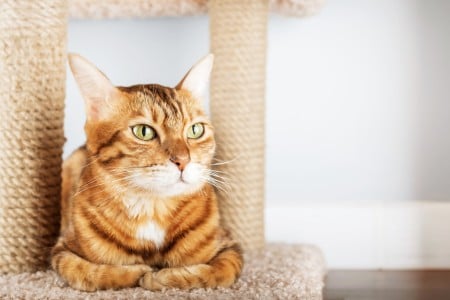
If your cat follows you around the house, it might be because they enjoy your company. This is especially common in sociable breeds like Bengal and Siamese cats.
However, this can also indicate boredom, frustration or anxiety, so do make sure to look out for other signs that may show your cat is unhappy.
Slow blinks
If you spot your cat doing a long, slow blink, it’s a sign of trust. Research shows cats also respond to our eye contact, so try doing some slow blinks back to reinforce the connection.
How to be your cat’s favourite person
Cats tend to gravitate towards people who understand their communication style, spend quality time with them and respect their boundaries.
Whether you’re trying tobond with a new cat or reinforce the relationship with an older cat, try these tips.
Respect your cat’s boundaries
Wait for your cat to come to you and give them affection when they do. Stroke them for a few seconds, before repeating the process if they stay close.
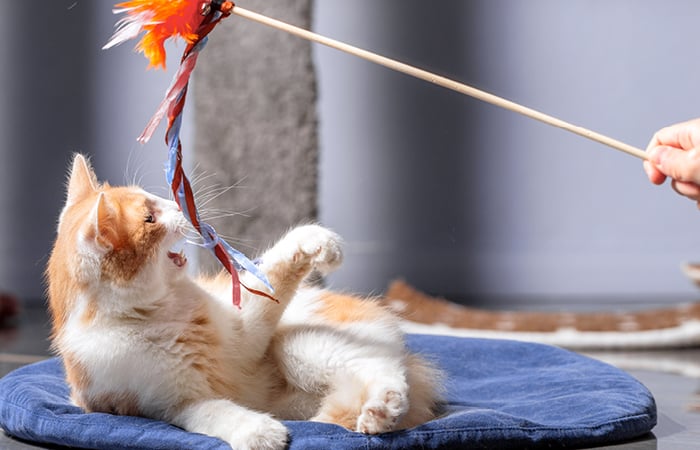
Spend time playing together
A few short play sessions each day can help you and your cat bond.
Stick to a routine
Cats enjoy the consistency of a routine, so keep feeding, play and quiet times at the same time each day, to help them know what to expect.
Don’t force it
Cats often seem to gravitate towards people who don’t pay them much attention. Because cats prefer low-intensity interactions, it can help to wait for your cat to approach you.
Use gentle communication
Keep your voice soft and use gentle eye contact to mirror your cat’s body language.
Reward affection
When your cat chooses to spend time with you, reward them with a gentle stroke or a tasty homemade treat.
Share the love
Encourage everyone in the family to spend quality time with your cat, whether it’s a cuddle on the sofa or a short play session.
Creating a stronger bond with your cat can take time, so be patient and try not to rush the process. If your cat shows any signs of stress, it’s important to resolve this first. Talking with a qualified animal behaviourist can provide tailored advice.
If you have cat insurance with Petplan, you can also use our Pet Expert Chat feature to receive expert advice. Simply log in to your My Petplan account to get started.
Found this article useful? Want to see similar content and engage with like-minded cat owners? Follow us on Petplan’s Facebook page.
Related articles










Follow us

Petplan is a trading name of Pet Plan Limited (Registered in England and Wales with company number 1282939) and Allianz Insurance plc (Registered in England and Wales with company number 84638).
Pet Plan Limited is authorised and regulated by the Financial Conduct Authority. Financial Services reference number 311969. Allianz Insurance plc is authorised by the Prudential Regulation Authority and regulated by the Financial Conduct Authority and the Prudential Regulation Authority, reference number 121849. Registered address: 15 Bishopsgate, London, EC2N 3AR.