Hyperthyroidism in cats: Understanding symptoms, treatment, and diet

An older-looking calico cat sitting on a rug indoors alongside a pet food dispenser and a water fountain.
As cats become older, they are more at risk of developing hyperthyroidism. Here’s everything you need to know about the causes, symptoms and treatment of this disease.

Quick Links

Feline hyperthyroidism isn’t uncommon among middle-aged or senior cats. While hyperthyroidism is not an immediate risk to your cat’s health, it can lead to more serious health complications, so it’s very important to monitor as your cat ages. 

Here, we share the symptoms of hyperthyroidism in cats to look out for, the different treatment options to consider, and tips for maintaining a happy and healthy lifestyle for your cat.

Hyperthyroidism occurs when the two thyroid glands in a cat’s neck start to enlarge and produce excess amounts of thyroid hormones. These hormones help to control metabolism. When there’s too much in your cat’s bloodstream, their metabolism speeds up. 

While this disease is relatively common in senior cats, some breeds – including the British Shorthair, Siamese, Persian, Abyssinian, Tonkinese and Burmese – seem to have a lower incidence of thyroid issues.

Usually, hyperthyroidism in cats is caused by non-cancerous changes inside the thyroid gland, but occasionally the condition can be triggered by cancerous growths inside the thyroid gland. By getting an early diagnosis and treatment, you can increase your cat’s chances of living a healthy life. If left untreated, hyperthyroidism can lead to secondary heart disease, high blood pressure and potential organ damage.

In the early stages of hyperthyroidism, the symptoms develop slowly and can be easy to miss. Keep an eye out for the following hyperthyroidism symptoms in cats.

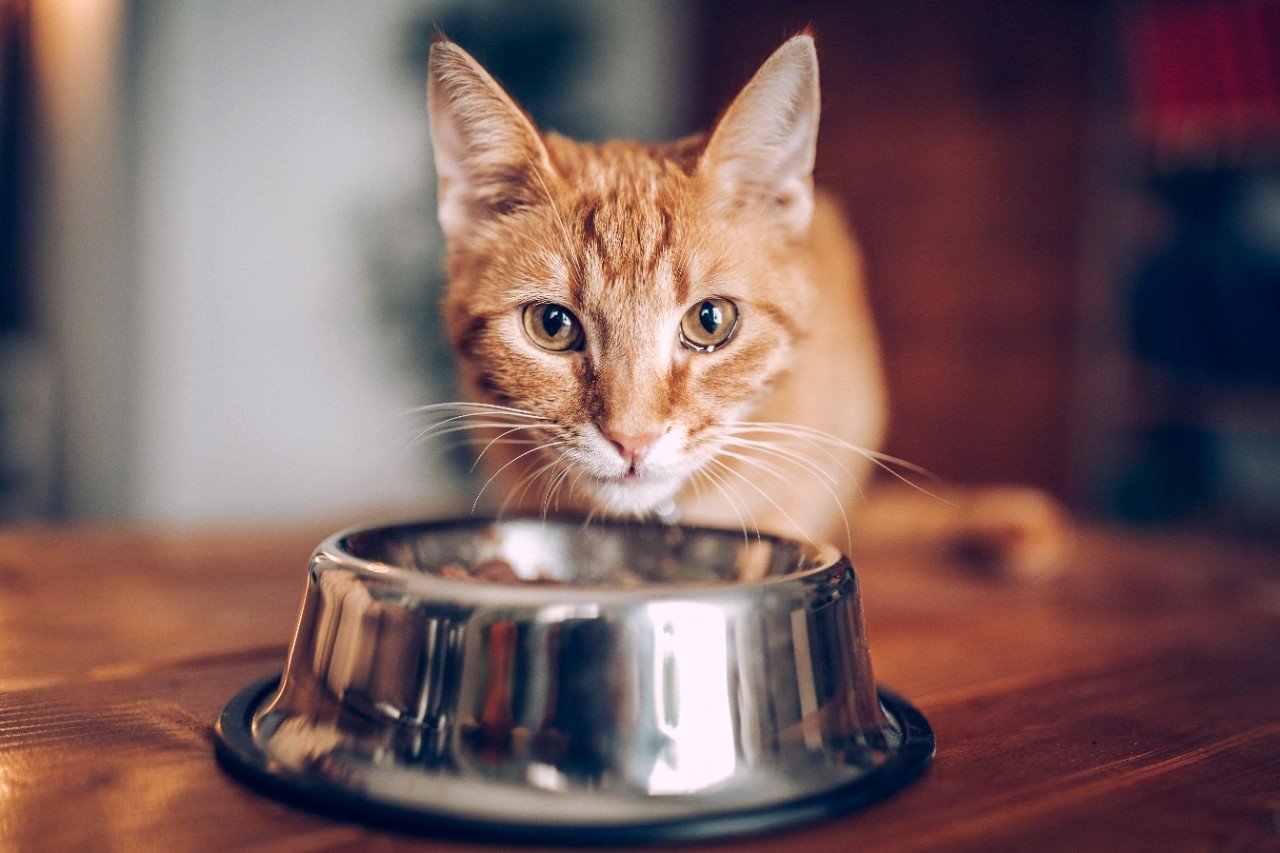
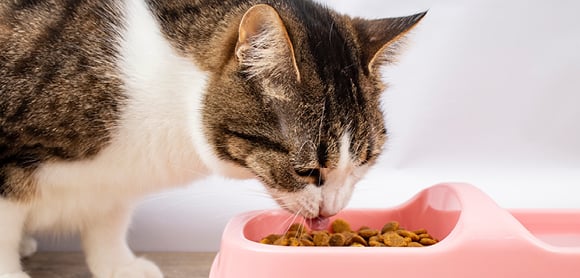
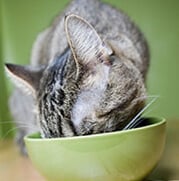
Polyphagia – or weight loss despite an increased appetite – is a classic sign of feline hyperthyroidism.

If your cat is always hungry and asking for more food but never puts on weight, hyperthyroidism may be the cause. Checking your cat’s body condition score regularly by inspecting their waist, abdomen and ribs can help you to monitor weight loss.

Underweight cats usually have a body condition score of 1-3, but your vet will be able to provide you with more advice on calculating this.

Excessive thirst is typical of many health conditions that affect cats, including diabetes and kidney disease. But if your cat is also showing signs of polyphagia along with drinking more, your vet may want to check for hyperthyroidism and feline diabetes.

Excessive thirst is typical of many health conditions that affect cats, including kidney disease. But when combined with polyphagia, your vet may want to check for hyperthyroidism and feline diabetes.

An overactive thyroid makes your cat’s heart beat faster. You may feel their heart racing when you pick them up or feel their chest. 

An increased heart rate is the main reason for the urgency to diagnose hyperthyroidism as early as possible, as this reduces the chances of heart failure and hypertension (high blood pressure) developing.


Cats with hyperthyroidism can develop an unkempt and scruffy coat due to not having the energy to keep up with the changes in their metabolism. Longhaired cats may develop matted fur, while shorthaired cats can experience hair thinning and a coat that looks dull. This may not just be a sign of ageing, but one of hyperthyroidism.

Cats with hyperthyroidism may develop diarrhoea, vomiting or both. Some also urinate more frequently – often outside their litter tray. If your cat doesn’t use a litter tray, look out for other clues and signs of diarrhoea, such as a loss of appetite or a bloated abdomen.

Affected cats often show signs of restlessness and become irritable or aggressive. High thyroid levels can also impact the nervous system and increase anxiety levels, so cats with hyperthyroidism can be increasingly vocal, particularly at night. Look out for signs that your cat isn’t acting like themselves or any sudden changes in behaviour

If you notice the symptoms of hyperthyroidism in your cat, it’s always best to speak to your vet straight away. They’ll check your cat’s neck for an enlarged thyroid gland and run blood tests to determine their thyroid hormone levels.

If your cat is diagnosed, your vet will recommend possible hyperthyroidism treatment options, depending on the age and health of your pet.

The most common hyperthyroidism treatment involves giving your cat medication up to three times per day, often for their lifetime. 

While this medication doesn’t permanently cure the disease, it can provide either short-term or long-term control of feline hyperthyroidism by blocking excessive hormone production. It can be given as a tablet, liquid or gel.

Side effects of the medication – including vomiting, fever and lethargy – may be experienced by some cats. If you forget to give your cat medication, the symptoms will return, so it’s vital to be consistent.

Surgery for hyperthyroidism includes removing any enlarged sections of your cat’s thyroid glands. Your vet will explain the procedure, but usually medication is needed for around three weeks before the operation. The relatively straightforward surgical procedure has a high success rate, and after your cat has recovered from the operation, they won’t need any ongoing treatment.

There are risks for older cats undergoing general anaesthetic, however, along with a risk of inadvertently damaging the parathyroid glands, which are situated very close to the thyroid. This is a risk as these glands control blood calcium levels. Your vet will be able to advise whether this is the best course of action for your cat.

Iodine is a key part of the body’s production of thyroid hormones. Radioactive iodine therapy (RIT) is another form of hyperthyroidism treatment which breaks down your cat’s thyroid glands and deactivates any excessive tissue without the need for invasive surgery. RIT cures hyperthyroidism, has no serious side effects and doesn’t require anaesthesia. 

During treatment, radioactive iodine is injected into your cat’s body and absorbed into their thyroid gland. Afterwards, your cat will need to stay quarantined at a specialised licensed facility until the radiation levels are considered safe. 

RIT is generally not painful for a cat – injections are just like a routine vaccination, only causing mild discomfort at the site. Most cats feel normal during and after treatment, although many owners worry about having to leave their cat in quarantine for several weeks. 

Help manage your cat’s stress by ensuring they’re as comfortable as possible while at the facility by providing them with bedding and toys that carry their scent. Once they return home, offer them a quiet and calm environment while maintaining their usual routine to help them settle back in.

Only certain locations are permitted to handle and inject a radioactive substance, but in 95% of cases, cats are cured within three months.

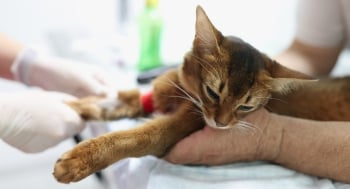
a cat receiving treatment at a vets

In addition to the above treatments, following a hyperthyroidism diet can help to control symptoms. As hyperthyroidism in cats can cause increased weight loss, it’s important that they have a high-calorie diet with enough fat and high-quality protein. 

You may also find that a low-iodine diet could help your cat. By limiting the amount of iodine the body can produce, this prescribed diet controls the activity of your cat’s thyroid glands. However, if your cat loves spending time outdoors – or if you have more than one cat – this may not be the best choice, as your cat will need to avoid any other foods for this to work.

Research is still ongoing into the effects of long-term iodine restriction on overall health, and finding the right diet is entirely dependent on your cat. Always discuss this with your vet before switching your cat to a hyperthyroidism diet.

Once hyperthyroidism is diagnosed and a treatment option selected, cats with this condition can live long and happy lives. Alongside treatment, there are a few things that you’ll need to do to help ensure your cat’s thyroid levels are managed – and that they stay as healthy as possible.

As with any medication for your pet, it’s important to keep a close eye on how they respond to hyperthyroidism treatment. This includes regular vet check-ups and routine blood tests to monitor their kidney function and thyroid hormone levels. They’ll need more frequent monitoring in the initial few months of treatment, but this can be reduced to every few months later down the line.

You know your cat better than anyone, so if you spot any change in your cat’s symptoms or behaviour, it’s vital to speak to your vet as soon as possible. If you have cat insurance with Petplan, you can use our Pet Expert Chat to speak with someone about looking after a cat with hyperthyroidism. Just log in to your My Petplan account to access.

Providing that it is diagnosed early and given the appropriate treatment, hyperthyroidism in cats needn’t impact their ability to have happy and fulfilling lives.

As the owner of a cat with hyperthyroidism, you’ll need to make sure you are prioritising your cat’s treatment. If you and your vet have agreed on medication, for example, you'll need to ensure you administer the tablets daily so they’re effective at reducing thyroid levels. Keep an eye on your cat’s diet and general behaviour, too, as their treatment may need to be adjusted over time.  

Creating a safe and calm environment with plenty of love and support is also key to reducing unnecessary stress, and will give you the best chance of maintaining a good quality of life for your cat with hyperthyroidism.

Found this article useful? Want to see similar content and engage with like-minded cat owners? Follow us on Petplan’s Facebook page.
Follow us

Petplan is a trading name of Pet Plan Limited (Registered in England No. 1282939) and Allianz Insurance plc (Registered in England No. 84638), Registered office: 57 Ladymead, Guildford, Surrey GU1 1DB.

Pet Plan Limited is authorised and regulated by the Financial Conduct Authority. Financial Services Register No. 311969. Allianz Insurance plc is authorised by the Prudential Regulation Authority and regulated by the Financial Conduct Authority and the Prudential Regulation Authority. Financial Services Register No. 121849. Pet Plan Limited is a subsidiary of Allianz Insurance plc.