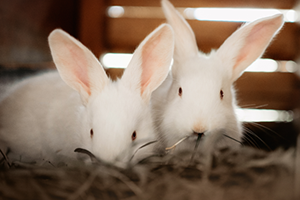
Can you let house rabbits out in the garden?

Brian Faulkner - Article expert
Brian Faulkner
Veterinary Surgeon
RCVS Registered
https://www.petplan.co.uk/rabbit-insurance/rabbit-care-and-advice/house-rabbits-garden/_jcr_content/root/article_metadata/image.img.png/1744883487243/house-rabbits-outside-web.png
As the days get longer and the nights get lighter, it’s tempting to let your house rabbits into your garden to enjoy some sunshine and outdoor fun. But is this change of scenery a good idea for your pets?

Quick Links

The question of whether to keep rabbits inside or outside is dependent on what works best for both you and your rabbits. There are advantages and disadvantages to both options, but if you've chosen to go down the house rabbit route, one very big bonus is the increased levels of interaction you’ll have with your pets.

Rabbits are known to be sociable creatures who enjoy having the companionship of at least one other compatible, neutered rabbit. Being in contact with people can also be beneficial to their health and mental wellbeing. If you're thinking of giving your rabbits some fun and exercise out in the summer sun, here are some things to consider.

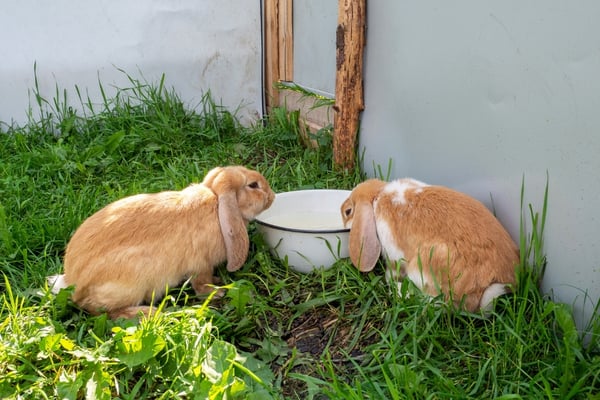
When the frosts are over, you can let your bunnies outside to exercise and play in the garden, but it’s important to keep them safe from predators such as foxes, dogs, cats and birds. The best way to do this is to put your rabbits in a secure run that has a hiding place with two exits so they can hide away if a predator does come into the garden, without feeling cornered. Make sure to place the run out of direct sunlight, especially in the summer months.

A rabbit run is an outdoor environment that has four walls, with a top and bottom. The bottom will stop your bunnies digging their way out and the top will provide shade and protect them from airborne predators.

You can buy a ready-made rabbit run from most good pet shops, but you can also make your own. The sides should be constructed from thick, welded wire, with holes that are not wide enough for your bunnies to get out, or for predators to get in.

Outdoor accommodation makes it easier for your bunnies to get regular exercise, without you having to watch over them. Ensure you make the run as safe as possible for your rabbits; watch out for any sharp edges and avoid using any unsuitable materials.

If you allow your rabbits to roam freely in the garden instead of using a run, it is essential for their safety that you remain with them at all times and do not leave them alone. Here are a few other points to remember:

  • Ensure that there are no pesticides or weed killers in the garden, both of which are extremely harmful to rabbits.
  • Don’t let your rabbits go near plants that may be poisonous to them such as holly, ivy, oak leaves and plants that grow from bulbs.
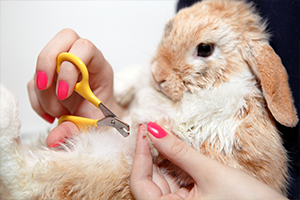
  • Check your bunnies for ticks and other bugs after they’ve been outside and be wary of fly strike.

It’s also important that your bunnies have a fresh supply of water at all times, especially during the summer months when they need to stay hydrated and cool down.

Rabbits do not do well with extreme changes in temperature. In the wild, their burrows remain at a constant temperature throughout the year. They regulate their body temperature by growing a thinner or thicker coat, making it difficult to move frequently between indoors and outdoors.

Unlike humans, rabbits cannot sweat and they cool down by expanding the blood vessels in their ears. One way of identifying whether your rabbits are too hot or too cold is by feeling the temperature of their ears. Ideally, they should feel warm to touch rather than hot or cold.

During warmer seasons, it’s important that you help your bunnies beat the heat and keep them cool and healthy as the temperature rises. The ideal outdoor temperature for rabbits is between 12° to 21°C, but anything above that can lead to them feeling uncomfortable and, in temperatures above 30°C, they risk getting heat stroke.

Brian Faulkner - Article expert
Petplan Vet Expert

Brian is a long standing vet and President of the UK Society of Practising Veterinary Surgeons. He's worked in more than 250 veterinary practices as a clinician, consultant and confidence coach. Brian holds several academic positions, is a keynote speaker and the founder of Colourful CPD, and organisation providing training for veterinary practices.

Brian co-writes our articles on pet health, where we cover everything from common conditions to supporting your pet after an operation.

Find out more about Brian

Follow us

Petplan is a trading name of Pet Plan Limited (Registered in England No. 1282939) and Allianz Insurance plc (Registered in England No. 84638), Registered office: 57 Ladymead, Guildford, Surrey GU1 1DB.

Pet Plan Limited is authorised and regulated by the Financial Conduct Authority. Financial Services Register No. 311969. Allianz Insurance plc is authorised by the Prudential Regulation Authority and regulated by the Financial Conduct Authority and the Prudential Regulation Authority. Financial Services Register No. 121849. Pet Plan Limited is a subsidiary of Allianz Insurance plc.