Rabbit forage: Everything you need to know about foraging for rabbits

Brian Faulkner - Article expert
Dr Brian Faulkner
Veterinary Surgeon
RCVS Registered
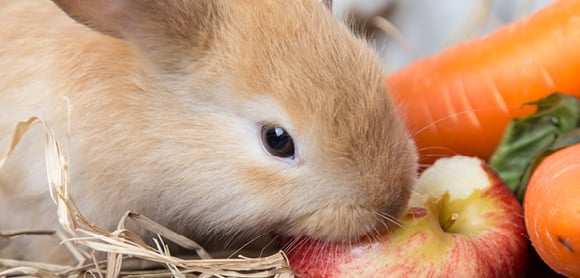
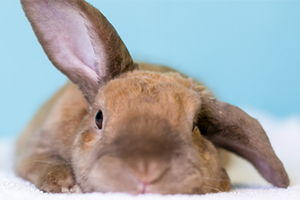
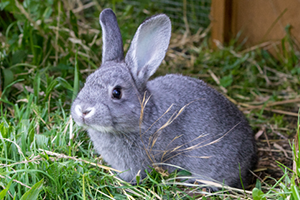
3 Rabbits foraging in a hutch
Here’s how to start foraging for rabbits, including which plants to choose, what to avoid and how to turn your finds into DIY toys and treats.

Quick Links

Rabbits need a high-fibre diet with plenty of hay, grasses, herbs and bark. A great way to add variety to your rabbits’ shop-bought hay is to forage for wild plants and tree branches. 

But before you start, it’s important to know where to forage, which plants to choose and how to feed these to your rabbits.

Foraging involves searching for and collecting wild plants.

In the wild, rabbits eat a wide range of the plants, herbs and trees that you see in the countryside. Domestic rabbits don’t have access to the same variety, but you can forage for them instead. The trick is knowing which plants are safe and what to avoid.

Foraging for rabbit food can become part of a regular walk through the countryside. Look out for verges and hedgerows along footpaths and quiet roads, or see what’s growing in your own garden.

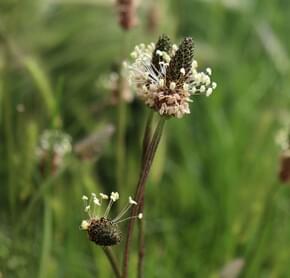
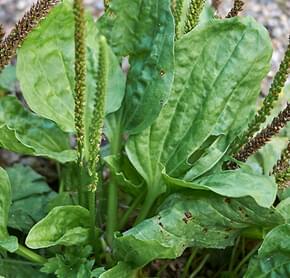
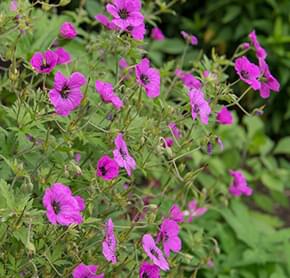
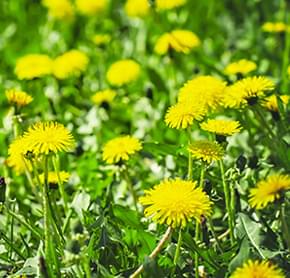
Start foraging for small amounts of plants and grasses that are easy to find and identify, such as:

Ribwort plant
Ribwort
broadleaf plant
Broadleaf
Cranesbill plant
Cranesbill
Dandelion plant
Dandelion

These beginner-friendly plants are widely found and usually well tolerated by rabbits when introduced gradually. You can also collect clovers and trefoils, but these should only be offered to your rabbits in moderation, as they can cause the production of excessive gas in the intestine, leading to symptoms of colic.

Rabbits also love chewing and nibbling, so collecting small branches is a great way to add variety and interest to their hutch. This can also help keep their teeth healthy. Try looking for:

  • Willow
  • Apple
  • Hazel
  • Hawthorn

Before picking any plants, flowers or branches, make sure you’ve confidently identified the correct species. Using books such as the Collins Complete Book of Wildflowers, the Collins Complete Guide to British Trees, or even a plant identification app can help with this.

If you’re a beginner, avoid all plants from the wild carrot family. While wild carrot is safe, it has highly toxic lookalikes, such as poison hemlock, which are extremely dangerous and can be fatal if eaten. 

Some other plants are safe at certain stages of their life cycle, but not at others. If you’re unsure, it’s always best to stick to plants you’ve safely identified and that you know your rabbits already enjoy eating.

Plants to avoid include:

  • Poppies
  • Foxgloves
  • Primroses
  • Buttercups 

‘Avoid areas treated with chemicals or frequented by other animals,’ Petplan expert Dr Brian Faulkner recommends. ‘Introduce new greens, such as clover, slowly and in moderation to prevent painful bloating.’ 

If you suspect your rabbit has eaten something hazardous, it’s best to speak to your vet as soon as possible. For non-urgent queries – and if you have rabbit insurance with Petplan – you can also use our Pet Expert Chat to speak with a veterinary professional, 24/7.

If you’re unsure about what other plants to collect, try joining a rabbit foraging group on Facebook to swap tips and learn more about what else your rabbits might like to try.


The wild plants collected during foraging are a great way to add some enrichment to your rabbits’ enclosure by turning them into fun DIY toys and treats.

Rabbits love burrowing, eating and exploring, so a forage box is the perfect enrichment activity. To make a quick and easy forage box:

  • Find an old cardboard box
  • Remove any tape or printed labels
  • Fill the box with a mix of dried hay and fresh or dried forage 
  • Place it in your rabbit’s enclosure 

If your rabbit enjoys this activity, consider making them a maze and placing the forage inside for them to enjoy.

If you end up with a lot of fresh forage during the spring and summer, you can dry some for feeding in winter

  • Lay the forage in a mesh tray so that air can circulate
  • Leave it in a warm spot for a few days, then turn it over
  • Keep turning the forage until it’s completely dry throughout
  • Transfer the forage to a paper bag or cardboard box and feed it to your rabbits throughout the winter

Rabbits love chewing woody willow branches, and these are easy to shape into a fun toy for their enclosure.

  • Collect some soft young branches from a willow tree
  • Strip off the leaves by running your hand down the branch from the end to the base (you can feed these to your rabbit separately)
  • Tie a knot in one branch, then weave the ends around to secure them
  • Add another branch and weave this around the first circle
  • Repeat with four or five more branches until the ring is about 5cm thick
  • Place it in your rabbit’s enclosure 

If you collect a lot of willow, you can make multiple rings while the branches are still soft. Store these somewhere dry, like a garage or shed, and give them to your rabbit throughout the year.

If you have a garden, growing your own rabbit-safe plants is a great way to ensure year-round access to fresh forage.

Try planting some of your rabbits’ favourite plants, like plantain or dandelion. If you have a larger garden, you can also add a small bush or tree, such as hawthorn, apple or willow.

If you’re foraging for your rabbit, it’s also important to make sure their vaccinations are up to date, as contact with areas visited by wild rabbits can increase disease risk.

Foraging is legal in the UK as long as you’re on common land and what you’re collecting is for you and your family only. It’s also important to stay safe, so here are some things to avoid:

  • Never forage on private land
  • Don’t uproot plants – take only leaves or flowers
  • Avoid areas that have been sprayed with chemicals 
  • Never forage along busy roads or in unsafe locations
  • If foraging alone, always tell someone else where you’re going

Some councils may have foraging bylaws, so check your local council website to see if there are any restrictions.

Found this article useful? Want to see similar content and engage with like-minded rabbit owners? Follow us on Petplan’s Facebook page.
Brian Faulkner - Article expert
FRCVS Petplan Vet Expert

Brian has been a vet for over 30 years. He is a past-President of the UK Society of Practising Veterinary Surgeons and an Associate Professor at Nottingham Veterinary School. He has worked in more than 250 veterinary practices as a clinician, as well as hundreds more as a consultant, and confidence coach.

Find out more about Brian

Follow us

Petplan is a trading name of Pet Plan Limited (Registered in England and Wales with company number 1282939) and Allianz Insurance plc (Registered in England and Wales with company number 84638). 

Pet Plan Limited is authorised and regulated by the Financial Conduct Authority. Financial Services Register No. 311969. Allianz Insurance plc is authorised by the Prudential Regulation Authority and regulated by the Financial Conduct Authority and the Prudential Regulation Authority, reference number 121849. Registered address for both companies: 15 Bishopsgate, London, EC2N 3AR. Pet Plan Limited is a subsidiary of Allianz Insurance plc.