Do seasonal changes affect rabbits’ moods and routines?

Brian Faulkner - Article expert
Brian Faulkner
Veterinary Surgeon
RCVS Registered
https://www.petplan.co.uk/rabbit-insurance/rabbit-care-and-advice/house-rabbits-garden/_jcr_content/root/article_metadata/image.img.png/1744883487243/house-rabbits-outside-web.png
Just like people, rabbits respond to seasonal changes. From bursts of energy in spring to calmer winter routines, understanding these shifts can help you support your rabbits’ wellbeing all year round.

Quick Links

Have you noticed your rabbits becoming livelier as the days get longer, or a little quieter when winter rolls in? 

These shifts can feel surprising, but they’re entirely natural. Rabbits are deeply connected to their environment, and changes in daylight and temperature can influence their mood and behaviour. 

Keep reading to understand what’s behind these seasonal changes and how you can support your rabbits all year round.

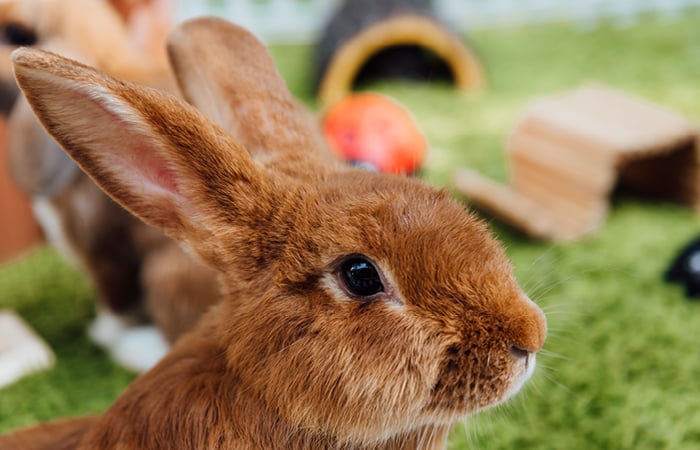
As winter fades and daylight increases, rabbits often become more active and alert. Longer days stimulate hormones linked to energy, alertness and social behaviour, so you might see more running, jumping, digging or playful behaviour around this time.

This seasonal burst of energy is often described as spring fever in rabbits. But what does that actually mean?

Spring fever isn’t an illness – it’s a behavioural phase linked to hormonal changes and triggered by increasing daylight and warmer temperatures. During rabbits’ ‘spring fever’, you might notice:

  • Extra bursts of energy or zooming
  • Increased digging or territorial behaviour
  • More interest in other rabbits
  • Occasional mood swings or assertiveness

For some rabbits, seasonal changes are barely noticeable. For others, it can feel like your calm companion has suddenly found a new gear. 

Male and female rabbits may respond differently, too, with males more likely to show mounting or territorial behaviour, while females may focus on digging or nest-building. 

While these shifts can catch you off guard, they’re a natural part of rabbit behaviour. With steady routines and time, most rabbits soon find their balance again.


Neutering or spaying can help reduce hormonally driven behaviour and support your rabbits’ long-term wellbeing. Enrichment plays an important role too: dig boxes, tunnels, toys and foraging activities give curious minds and busy bodies a positive outlet.

Exercise also matters. Spring is a great time to meet your rabbits’ exercise needs with safe outdoor time or extra indoor roaming, while keeping a familiar feeding and handling routine can offer reassurance when everything else feels a little more exciting.

There’s no fixed timeline, but it typically eases over a few weeks as hormones settle and routines stabilise.

Neutered rabbits often experience milder effects, which is one reason why neutering is commonly recommended for long-term behavioural balance.

Yes, and sometimes in helpful ways. Warmer weather and increased energy can make spring a good time to work on bonding, especially if rabbits are neutered and healthy.

During spring fever, social interest may increase, which can support bonding introductions. However, elevated hormones can also lead to stronger reactions, so it’s important to take things slowly and supervise interactions carefully.

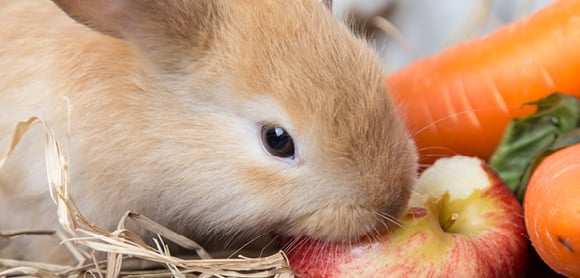
Spring growth brings richer grass and fresh plants, which can affect appetite and preferences. While it’s tempting to offer lots of new greens, it’s important to keep your rabbit-feeding routine consistent.

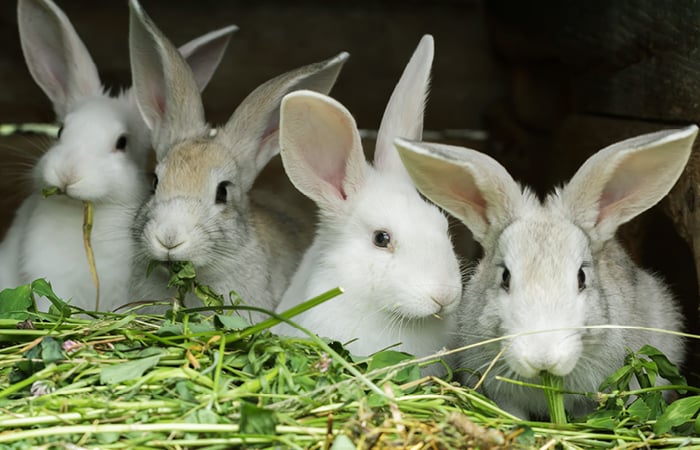
Hay should remain the central part of your rabbits’ diet all year round, with vegetables introduced gradually. Sudden changes – even seasonal ones – can upset digestion. 

If you’re unsure what’s safe or how much to offer, Petplan rabbit insurance customers can access our Pet Expert Chat through their My Petplan account and speak to a qualified veterinary professional, any time.

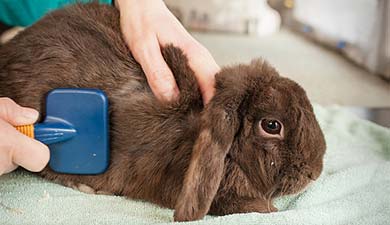
Spring often coincides with heavy moulting, as rabbits shed their winter coats. Because rabbits ingest hair while grooming, extra fur combined with seasonal changes can affect digestion. Regular grooming during this time helps remove loose fur and reduces the risk of digestive issues. 

Unlimited hay and fresh water support gut movement, while monitoring appetite and droppings will help you to spot early changes.

Seasonal changes don’t stop after summer. As daylight shortens and temperatures drop, many rabbits naturally slow down. You may notice longer rest periods, quieter behaviour and changes to daily activity patterns.

Colder weather can also affect routines, especially for outdoor rabbits. Keeping your bunnies warm, maintaining exercise routines and keeping feeding schedules consistent all help them stay comfortable throughout the colder months.

Seasonal changes are part of your rabbits’ natural rhythm, but taking small supportive steps can help them feel secure and confident as the year unfolds:

  • Keep routines familiar, even as daylight changes
  • Offer plenty of enrichment and a safe space for them to exercise
  • Monitor behaviour changes alongside eating and toileting
  • Make gradual adjustments rather than sudden changes

Spring fever in rabbits is natural and manageable. A few supportive steps can help channel extra energy in a positive way and keep your rabbits feeling settled. 

However, if something feels out of character or you’re unsure whether behavioural changes are seasonal or health-related, it’s always worth speaking to your vet.

Found this article useful? Want to see similar content and engage with like-minded rabbit owners? Follow us on Petplan’s Facebook page.
Brian Faulkner - Article expert
Petplan Vet Expert

Brian is a long standing vet and President of the UK Society of Practising Veterinary Surgeons. He's worked in more than 250 veterinary practices as a clinician, consultant and confidence coach. Brian holds several academic positions, is a keynote speaker and the founder of Colourful CPD, and organisation providing training for veterinary practices.

Brian co-writes our articles on pet health, where we cover everything from common conditions to supporting your pet after an operation.

Find out more about Brian

Follow us

Petplan is a trading name of Pet Plan Limited (Registered in England No. 1282939) and Allianz Insurance plc (Registered in England No. 84638), Registered office: 57 Ladymead, Guildford, Surrey GU1 1DB.

Pet Plan Limited is authorised and regulated by the Financial Conduct Authority. Financial Services Register No. 311969. Allianz Insurance plc is authorised by the Prudential Regulation Authority and regulated by the Financial Conduct Authority and the Prudential Regulation Authority. Financial Services Register No. 121849. Pet Plan Limited is a subsidiary of Allianz Insurance plc.