Rabbit fitness: how to exercise rabbits

Brian Faulkner - Article expert
Brian Faulkner
Veterinary Surgeon
RCVS Registered
https://www.petplan.co.uk/rabbit-insurance/rabbit-care-and-advice/house-rabbits-garden/_jcr_content/root/article_metadata/image.img.png/1744883487243/house-rabbits-outside-web.png
How much exercise does a rabbit need? Find the answers to all your rabbit fitness questions – including how to exercise rabbits to keep them as healthy as possible. 

Quick Links

Rabbits naturally spend a lot of time hopping, jumping and running – and these movements are an essential part of their physical and mental wellbeing

But caring for your rabbits doesn’t just include cleaning their hutch, grooming them and feeding them the right diet. It also includes understanding why rabbits need to exercise and ensuring they have plenty of opportunities to run, jump and dig.

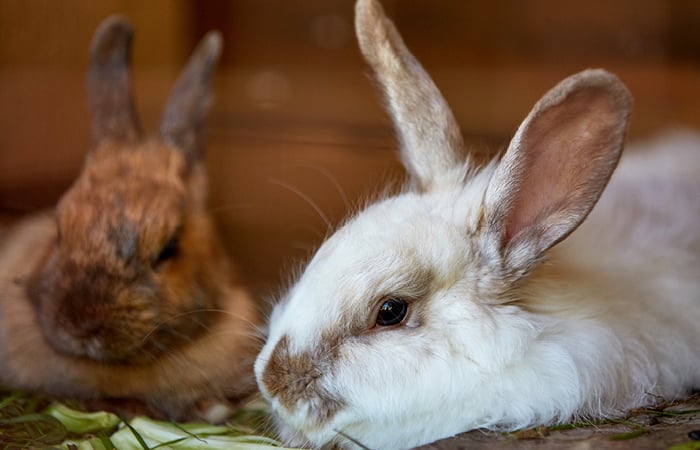
Rabbits need regular exercise to stay fit and healthy. Wild rabbits spend a significant amount of time digging, foraging, running from danger and moving around their territory, which can cover up to 10 acres. 

Just like their wild relations, domestic rabbits also need daily physical activity. Without enough exercise or space to move around, rabbits can develop health issues such as:

Making sure your rabbits get enough exercise isn’t just about their physical health; it also provides plenty of mental stimulation and stops them from becoming bored.

Rabbits typically exercise in short bursts throughout the day. If you watch your rabbits as they move around, you’ll notice different types of exercise, including:

  • Hopping and running
  • Jumping on and off things 
  • Standing up on their hind legs
  • Digging through hay, straw and earth

Rabbits are crepuscular, which means they’re most active at dawn and dusk. If your rabbits have the freedom to move around a large enclosure, they can exercise whenever they want, so you might not always spot these early morning or late-night bursts of activity.

Rabbits need at least three hours of exercise per day – but more than this is also OK!

The best way to make sure your rabbits get plenty of exercise is to keep them in a large, enclosed area. The Rabbit Welfare Association and Fund (RWAF) recommends that rabbit pairs should be kept in a single enclosed area of at least 3 metres long, 2 metres wide and 1 metre tall.

This space allows rabbits to run and jump, rather than just hop. Rabbits also need free access to a sheltered sleeping quarters or hutch, but this should never be their only accommodation.

Whether your rabbits live inside or outdoors, there are plenty of ways to encourage natural movement. The best tactic is to ensure they have enough space to move around freely, for as much of the day as possible. 

Here are some other tips to encourage exercise for rabbits.

Make sure your bunnies have a safe, secure space to exercise. For outdoor rabbits, consider creating a covered enclosure in the garden, attached to a garden shed, where your rabbit can move about, play and stay warm in winter. This should be escape-proof and secured against predators. 

If you keep your rabbits indoors, they don’t need an enclosed area since they’ll have plenty of space to exercise. However, remove any items that could be dangerous, such as electric cables and certain houseplants, as many are toxic to rabbits, including lilies, ivy, cyclamen and poinsettias.

Cardboard boxes filled with straw, tunnels and low platforms all encourage natural movements such as digging, running, jumping and hopping. In the wild, rabbits spend 70% of their time foraging, so try sprinkling your rabbits’ pellets in their hay or a feeding ball rather than in a bowl. 

Typically, bunnies don’t need specific exercise equipment – items like rabbit exercise wheels aren’t normally recommended, for example, since these can damage a rabbit’s delicate spine.

Rabbits need company, so they should always be kept in pairs or groups. In addition to providing companionship, bonded rabbits will often exercise more as they play and run together. 

If you’re introducing two rabbits for the first time, create side-by-side enclosures so they can get used to the sight and smell of each other first.

Training your rabbits is a great way to spend time together while encouraging them to exercise. Try using positive reinforcement methods to teach your rabbits to come when called, gradually moving further away.

Rabbits that are getting enough exercise typically:

  • Move around their enclosure freely 
  • Seem interested in their environment 
  • Maintain a healthy body condition score
  • Show signs of happiness, including nose twitching, jumping in the air (a ‘binky’), chin rubbing and chewing

Rabbits are good at hiding signs of pain or discomfort, so it’s essential to check their health at least once a month. Healthy body weights for rabbits vary widely by breed, so using body condition scoring is the best way to monitor their weight. 

If you notice any worrying signs, such as dental problems or lack of appetite, it’s always best to speak to your vet for advice. If you have rabbit insurance with Petplan, you can also log in to your My Petplan account to try our free Pet Expert Chat and receive advice from a veterinary professional.

Found this article useful? Want to see similar content and engage with like-minded rabbit owners? Follow us on Petplan’s Facebook page.
Brian Faulkner - Article expert
Petplan Vet Expert

Brian is a long standing vet and President of the UK Society of Practising Veterinary Surgeons. He's worked in more than 250 veterinary practices as a clinician, consultant and confidence coach. Brian holds several academic positions, is a keynote speaker and the founder of Colourful CPD, and organisation providing training for veterinary practices.

Brian co-writes our articles on pet health, where we cover everything from common conditions to supporting your pet after an operation.

Find out more about Brian

Follow us

Petplan is a trading name of Pet Plan Limited (Registered in England No. 1282939) and Allianz Insurance plc (Registered in England No. 84638), Registered office: 57 Ladymead, Guildford, Surrey GU1 1DB.

Pet Plan Limited is authorised and regulated by the Financial Conduct Authority. Financial Services Register No. 311969. Allianz Insurance plc is authorised by the Prudential Regulation Authority and regulated by the Financial Conduct Authority and the Prudential Regulation Authority. Financial Services Register No. 121849. Pet Plan Limited is a subsidiary of Allianz Insurance plc.