
Cocker Spaniels are a cheerful, eager-to-please breed, with a natural enthusiasm for training. Their flat, silky coats come in a wide range of colours including black, white, tan and brown, or a mix of any of these. Energetic, playful and highly trainable, Cocker Spaniels love to swim and thrive on plenty of activity.

Breed guide
Corgi
A high energy, fun-loving friend for the whole family
Vital stats
Size: Small to medium
Coat: Short to medium double coat that needs regular brushing
Exercise: 1 hour daily, plus plenty of mental stimulation
Life span: 12-15 years
Breed group: Herding
Temperament: Affectionate, playful, strong-willed
Swipe to view more
| Size: | Small to medium |
| Coat: |
Short to medium double coat that
needs regular brushing |
| Exercise | 1 hour daily, plus plenty of mental stimulation |
| Life span: | 12-15 years |
| Breed group: | Herding |
| Temperament: | Affectionate, playful, strong-willed |
Corgi temperament and personality

Originally bred as herding dogs in Wales, Pembroke and Cardigan Corgis combine an energetic nature with a cheerful, friendly personality. Their affectionate, outgoing temperament means they love plenty of human interaction and enjoy being part of daily activities.
Corgi temperament
- A key Corgi characteristic is their cheerful temperament, making them a great choice for families looking for an affectionate, outgoing dog.
- Corgis love spending time with their families. If left alone for long periods, their tendency to be vocal can become excessive, and they may develop separation anxiety.
- Their herding instincts mean Corgis can be prone to ‘rounding up’ things, whether that’s small children or other pets! This means they’re better suited to families with older children.
- Their clever, intelligent nature means Corgis can be independently minded.
Corgi personality traits
- Corgis have an outgoing personality that makes them a joy to be around, although they can have a mischievous, stubborn streak.
- The Corgi’s strong work ethic means they need plenty of physical and mental stimulation.
- Corgis might be small, but they can be strong-willed and confident, so often suit experienced homes.
Corgi training and exercise

Corgis are active, intelligent dogs with a strong work ethic and an independent streak. They do best when given plenty of opportunity to exercise, train and play.
Training
- Corgis are extremely smart, but their independent nature means they need consistent training. Positive reinforcement techniques work best with these strong-willed little dogs.
- To help your Corgi puppy grow into a well-adjusted adult dog, training and socialisation should start from a young age.
- Corgis love spending time with their families, so can suffer from boredom or separation anxiety if left alone for long periods.
Exercise
- As a working breed, Corgis have plenty of energy. They need at least one hour of exercise per day to stay healthy and stimulated.
- Corgis can be prone to back injuries, so it’s best to avoid exercise that involves a lot of jumping or climbing.
- Corgis are energetic, but their shape means they’re best suited to long, slow hikes or walks, rather than faster, high-intensity runs or bike rides.
Common health problems in Corgis
Some health issues affect Corgis more than other dog breeds. We’ve rounded these up below, so you can get a better idea if this is the right breed for you.
If you’re buying a puppy, minimise the chances of your Corgi being affected by any inherited conditions by choosing a reputable breeder.
Corgis can be prone to hip dysplasia, which happens when the hip joint develops abnormally. This can lead to arthritis in later life, so watch for signs of stiffness, a reluctance to exercise or difficulty going up and down stairs.
Long-term treatment may involve surgery. To minimise the chances of your Corgi suffering from hip dysplasia, it’s important to buy your puppy from a reputable breeder who carries out health testing. Hip dysplasia screening tests are recommended for both Cardigan and Pembroke Corgis, and breeders should be able to provide results for both parent dogs.
As a long-backed breed, Corgis can be prone to back issues, including intervertebral disc disease (IVDD) and degenerative myelopathy (DM).
If possible, avoid letting your Corgi jump off furniture or climb up and down stairs multiple times a day. Avoid high-intensity exercise that involves a lot of jumping, such as agility or flyball.
Diagnosis of IVDD usually involves an MRI or CT scan. Some dogs will need surgery to relieve the compression of the disc on the spinal cord. This will typically be carried out by a specialist vet. Getting dog insurance when your Corgi is a puppy can help to provide peace of mind in case they need surgery in the future.
DM is a progressive spinal cord disease that usually affects older Corgis. It causes weakness in the back legs, which makes it difficult to walk. Sometimes, this leads to paralysis.
If your Corgi is moving strangely or showing signs of pain, speak to your vet and try to limit your dog’s movement until the appointment. If you have dog insurance with Petplan, you can also use our Pet Expert Chat feature to connect with vet professionals, 24/7. To get started, simply log in to your My Petplan account.
PRA is an inherited condition that causes the retina to break down over time. The symptoms include a lack of vision at night, bumping into things and dilated pupils.
Over time, PRA leads to complete vision loss. Responsible breeders should carry out PRA testing on parent dogs and be happy to share the results with prospective puppy buyers.
Von Willebrand’s disease can affect both Cardigan and Pembroke Corgis, although it’s more common in Pembroke Corgis. This inherited condition impacts blood clotting, with symptoms including excessive bruising, bleeding gums and nosebleeds.
There’s no cure, but the condition can usually be managed with medication.
Corgi grooming guide
Both Pembroke and Cardigan Corgis have a thick double coat that needs regular grooming.
Shedding
- Corgis shed a small amount of hair all year round.
- During spring and autumn, their coats shed more heavily.
- During shedding season, daily brushing sessions can help keep loose hair at bay.
Grooming
- Corgis need grooming once a week throughout most of the year, and daily during shedding season in spring and autumn.
- It’s a good idea to start brushing your Corgi’s teeth when they’re a puppy. This helps reduce the build-up of tartar.
- When brushing your Corgi, check their nails and clip them when necessary.
Bathing
- Corgis don’t typically need bathing unless their coat gets muddy or they roll in something smelly.
- Bathing your Corgi too often can strip the natural, waterproof oils from their coat.
- If you do need to bathe your Corgi, use a gentle dog shampoo. Use your fingers to massage it into their thick undercoat before rinsing thoroughly.
Corgi diet and nutrition
The Corgi’s active, energetic nature means they need a balanced diet containing the right levels of nutrients, vitamins and minerals.
- Corgi puppies need three meals a day until they’re at least six months old. At this point, they can be transitioned to two meals a day.
- Corgis can be prone to obesity, so be careful not to overfeed them, as this may lead to them becoming overweight.
- The correct quantity of food for your Corgi depends on their age and activity level. Start with the recommended portion size of your chosen food and speak with your vet if you think this needs adjusting.
- A consistent feeding routine helps with digestion and avoids stomach upsets. If you need to change your Corgi’s food or routine, do this gradually over the course of a week or so.
Getting a Corgi

If you’re ready to add a Corgi to your family, the first thing to do is decide whether you’d like a Pembroke or a Cardigan Corgi. Then, you’ll need to choose whether to buy a puppy from a breeder or adopt a dog from a rehoming centre. Here’s what to consider.
Rehoming centres
Adopting a rescue dog can be an extremely rewarding experience. If you’re ready to adopt a Corgi, a good place to start is one of Petplan’s partners: Battersea Dogs & Cats Home, Blue Cross and Dogs Trust.
It’s also worth contacting rehoming centres in your area to ask if they have any Corgis who need adopting. Rehoming a dog is a big step, so rehoming centres will want to check you’re ready for the commitment of dog ownership. This usually involves a home check plus questions about your lifestyle.
If you’re a first-time dog owner, make sure you’re prepared for the intelligent, active and sometimes stubborn nature of Corgis. Choosing a dog between two and five years old is a good choice, since they’re through the puppy stage but young enough to adapt to living with a new family.
For experienced dog owners, adopting an older Corgi can be extremely fulfilling, since these dogs often get overlooked.
Breeders
If you want to buy a Corgi puppy, the best place to start is by finding responsible breeders in your area. You can also expand your search further away if you’re willing to travel. In the UK, breeders need a licence if they’re selling more than three puppy litters a year, so it’s a good idea to ask to see a copy of this.
When visiting Corgi puppies, they should always be with their mother in the breeder’s home. During a visit, watch how the mother interacts with her puppies and people. Ask questions about her personality and which health tests she and the father dog have had.
Puppies are usually ready to leave for their new homes from eight weeks – breeders should never allow puppies to leave earlier than this. If your chosen breeder works with Petplan, you’ll also receive four weeks of insurance. Extending this gives peace of mind if your new dog has any accidents or illnesses in later life.
Discover some of the most popular dog breeds
From family favourites to perfect city dogs, browse our breed profiles for expert advice on temperament, health conditions, exercise requirements and more.





Find out more about some of the UK's most popular dog breeds and discover which breed could be your ideal canine companion with our breed selector quiz.
Corgi insurance considerations
Choosing the right insurance for your Corgi can help keep them happy and healthy should they develop any problems. As some conditions can be lifelong, it’s important to consider the length of time policies cover different conditions when choosing dog insurance. Petplan’s Covered For Life® policies allows you to claim for the same condition year after year, so long as you renew your policy, allowing your pet to receive the best care for ongoing conditions.
We always offer these things as standard:

Physiotherapy
Physiotherapy & pet therapies
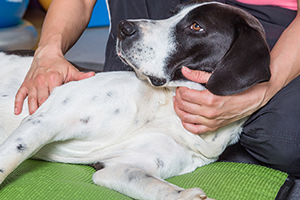
Along with physiotherapy, which is covered within the Vet Bills benefit, we also cover Pet Therapies like herbal medicine, homeopathy and acupuncture. You can also claim for hydrotherapy, up to £500 per illness/injury in dogs and cats (no additional limit for rabbits).









Related articles












Follow us

Petplan is a trading name of Pet Plan Limited (Registered in England and Wales with company number 1282939) and Allianz Insurance plc (Registered in England and Wales with company number 84638).
Pet Plan Limited is authorised and regulated by the Financial Conduct Authority. Financial Services reference number 311969. Allianz Insurance plc is authorised by the Prudential Regulation Authority and regulated by the Financial Conduct Authority and the Prudential Regulation Authority, reference number 121849. Registered address: 15 Bishopsgate, London, EC2N 3AR.