A deep-rooted version of favouritism can happen if you’ve welcomed a rescue dog into your home. The stress that some rescue dogs have experienced can surface as mistrust, fear, aggression or a reluctance to engage.
The triggers for rescue dogs can be wide-ranging and aren’t always obvious. Long hair, glasses or a particular tone of voice may increase their stress levels and affect their reactions. Nervous rescue dogs often form a strong attachment to one person in the house. In extreme cases, they may suffer separation anxiety if that person isn’t home.
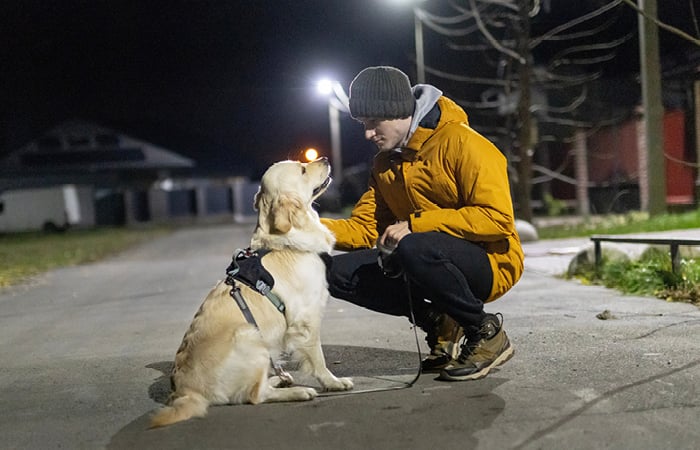
Trying to push a new dog into liking you is likely to backfire, so the best approach is to give rescue dogs plenty of space to bond with everyone else in their own time. These tips can also help build a bond with your new rescue dog:
- Most dogs are very food-motivated. Try gently tossing a treat, then stepping back, so they feel safe enough to come forward and take it.
- Let them watch you place a chew or toy in their bed or crate, so they start to link you with things they enjoy.
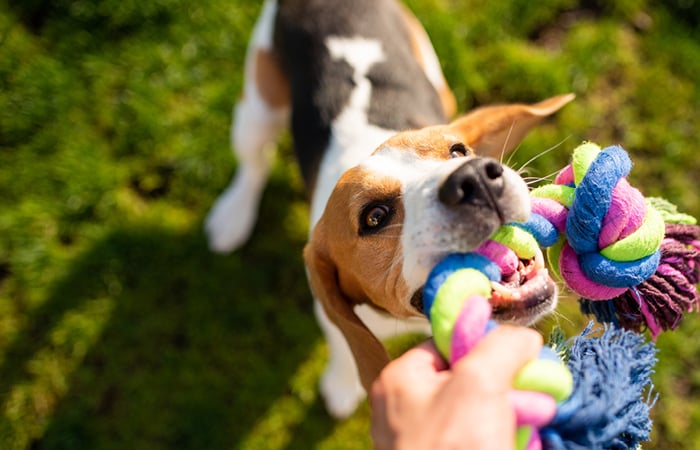
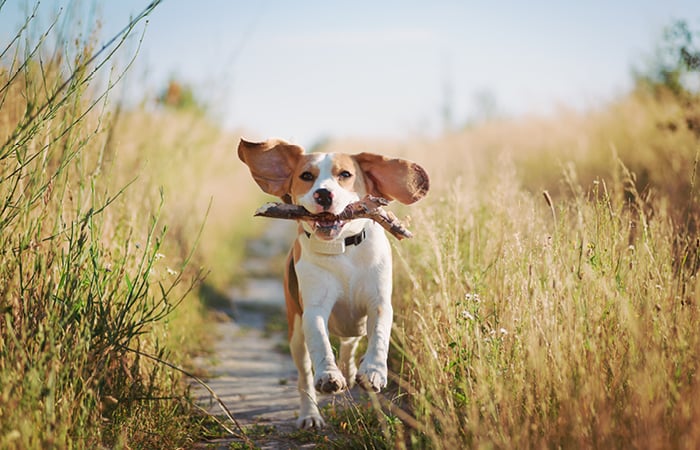
- Play a gentle game to build trust and encourage bonding.
Soft eye contact can help strengthen the bond between you and your dog. But for some rescue dogs, that can feel too intense. Instead, focus on giving them a stroke, without eye contact. Be patient, and eventually they should engage.
If you need extra support, qualified animal behaviourists can provide tailored advice. If you have dog insurance with Petplan, you can use our Pet Expert Chat feature to connect with experts, 24/7. Simply log in to your My Petplan account to get started.