
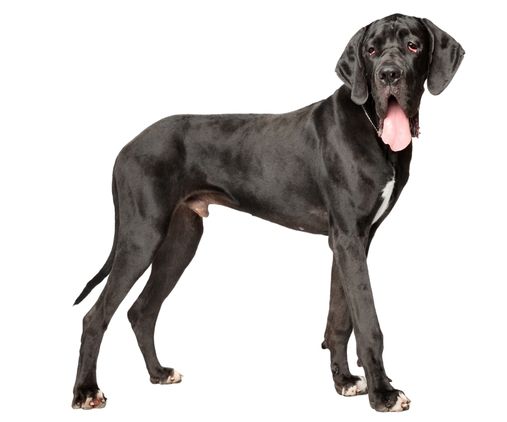
Despite their impressive size, Great Danes are known for their gentle personality and affectionate nature. While they can be shy and reserved around strangers, you’ll notice their reputation as patient and kind gentle giants is well-deserved once you get to know them.

Facts & advice
Great Dane
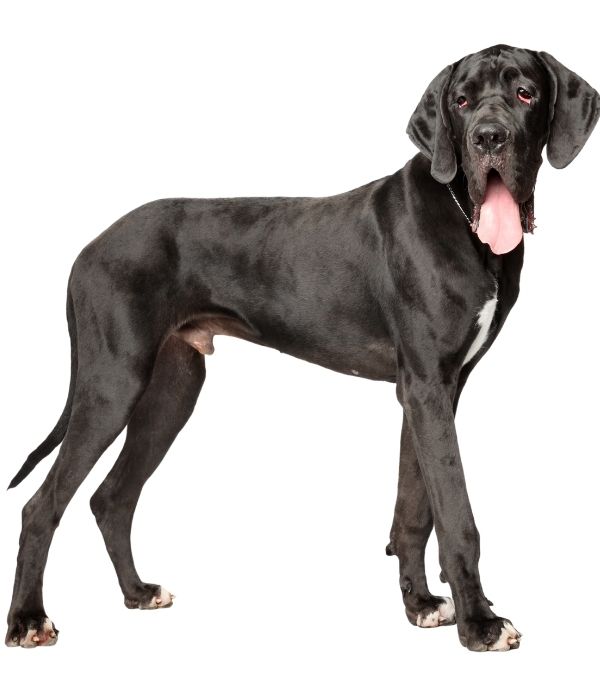
A majestic gentle giant with a loving heart, the perfect family companion.
Vital stats
Swipe to view more
| Size: | Giant |
| Coat: | Short-haired |
| Exercise | 1-2 hours a day |
| Life span: | 7-10 years |
| Breed group: | Working |
| Temperament: | Affectionate, loyal, gentle |
Great Dane temperament & personality
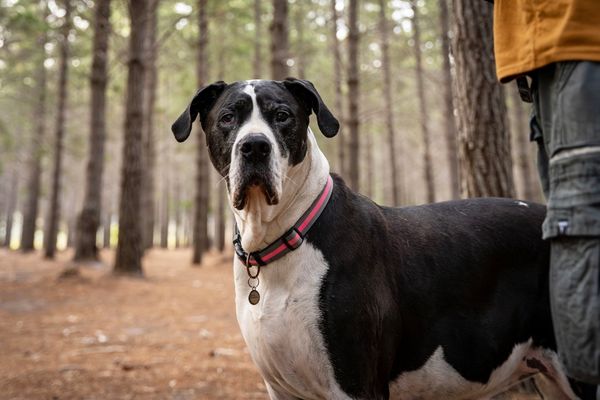
Great Danes may be one of the largest dog breeds, but they’re typically one of the gentlest. Although they can be cautious around strangers, they form strong bonds with their families.
- Despite their kind nature, Great Danes are best suited to experienced owners who can confidently manage and train a giant breed.
- Great Danes love spending time with their families and do best in homes where they’re not left alone for long periods, as they can develop separation anxiety.
- Even though they’re typically calm, Great Danes are naturally protective of their homes and families. Early socialisation is important to help them develop into confident, calm adults.
- Due to their large size, Great Danes are generally better suited to families with slightly older children.
Great Dane training & exercise
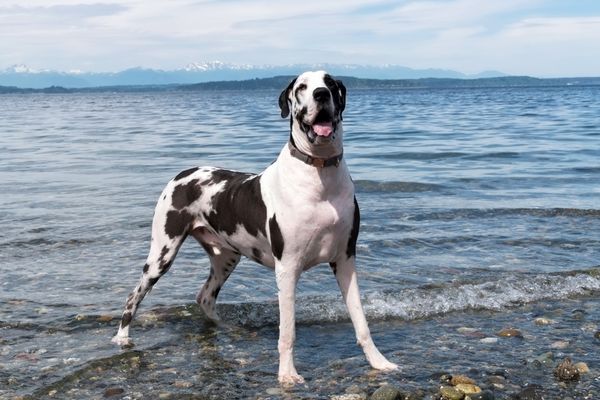
Training is essential for Great Danes, but care needs to be taken not to over-exercise them while they’re young.
Training tips
- Begin training and socialising your puppy from as early an age as possible to make sure they grow into a confident and obedient adult.
- Great Danes are very intelligent but can also have a stubborn streak. Short training sessions using positive reinforcement are the best option for these sensitive dogs.
Exercise
- Care needs to be taken not to over-exercise Great Dane puppies, as their joints don’t fully mature until they’re around two years old.
- Adult Great Danes have fairly low energy levels, so they generally only need one or two hours of exercise per day. This can be split into two or three shorter walks, plus time to run off their lead in a secure area, if possible.
Keeping them happy
- Great Danes don’t need large amounts of exercise but love spending time with their families. After a walk, they’re happy to relax.
- Because they bond strongly with their families, Great Danes prefer homes where someone is home most of the day.
Game ideas
- Scent games and puzzle feeders are a great way to keep your Great Dane entertained without putting unnecessary strain on their joints.
Common Great Dane health conditions
Some health conditions affect Great Danes more than other breeds. We’ve outlined some of our recent claims data to help you understand the health issues we see more often in Great Danes.
If you’re buying a Great Dane puppy, you can increase the chances of them growing into a healthy adult dog by choosing a reputable Great Dane breeder.
Because of their deep chests, Great Danes are at risk of developing bloat, also known as gastric dilatation-volvulus (GDV), gastric torsion or a twisted stomach. It happens when a dog’s stomach fills with gas and then twists, cutting off the blood supply.
Signs of bloat include trying to vomit without anything coming up, a swollen belly, drooling, restlessness and signs of pain. Bloat is a medical emergency and needs urgent vet treatment.
To reduce the risk of bloat, feed smaller meals, use puzzle feeders to extend feed times and avoid exercising your Great Dane for an hour before and after eating. Your vet may also recommend preventative surgery known as gastropexy.
Giant breeds like Great Danes can be prone to elbow and hip dysplasia. This happens when the bones forming these joints start to develop abnormalities. Over time, this can lead to arthritis. Warning signs include stiffness, limping, reluctance to exercise and trouble climbing stairs or getting into the car.
Long-term treatment or surgery may be recommended. You can minimise the chances of your Great Dane developing dysplasia by choosing a reputable breeder who screens both parents for this condition. Ask for evidence of health checks, which should include elbow and hip scores.
Heart disease, also known as dilated cardiomyopathy (DCM) is more likely to affect Great Danes than many other breeds. DCM causes the heart muscles to become thin and weakened, making it harder for the heart to pump blood around a dog’s body.
Early signs include coughing, reduced stamina, rapid breathing, and fainting. DCM can’t be cured, but medication can help manage the condition. Some breeders screen parent dogs for DCM, so ask to see these tests if they’re available.
This syndrome affects the neck and spinal cord, and Great Danes are one of the most commonly affected breeds. Signs of this syndrome include weakness in the legs, difficulty getting up, and an unsteady, wobbly gait.
In severe cases, it can be painful and impact a dog’s mobility and quality of life. Treatment depends on the severity, but possible options include medication and exercise management. Sometimes, surgery is recommended.
Great Dane grooming
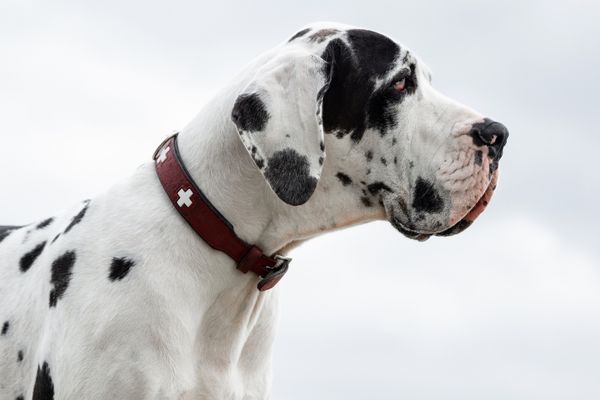
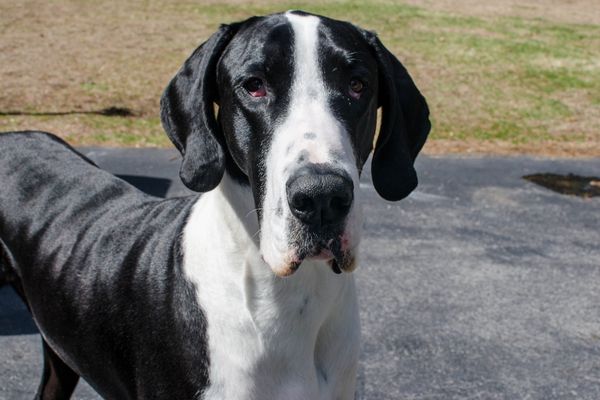
Great Danes have a short, smooth coat, but they still benefit from regular grooming sessions to keep their skin and coat healthy.
How to groom a Great Dane
- Brush your Great Dane once or twice a week, using a soft brush or grooming mitt.
- Great Danes typically shed moderately throughout the year, with heavier shedding during spring and autumn.
- When brushing your Great Dane, check their ears, trim their nails if needed and brush their teeth regularly.
Great Dane diet & nutrition
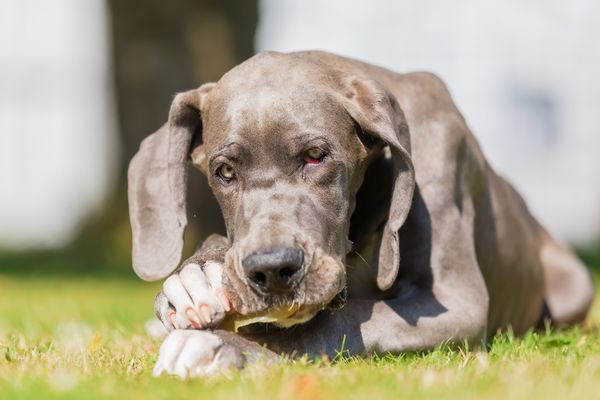
Giant breeds, like Great Danes, grow very fast and have specific nutritional requirements.
- Choose a high-quality puppy food formulated for giant breeds and follow the guidelines based on your dog’s age and weight. Great Danes puppies aren’t considered fully mature until they’re two years old, so check with your vet before switching to adult dog food.
- Feeding multiple small meals per day and avoiding exercise for an hour before and after mealtimes can reduce the risk of bloat. If your Great Dane eats quickly, try using a slow-feeder bowl or puzzle toy.
What to know before you buy or rehome a Great Dane
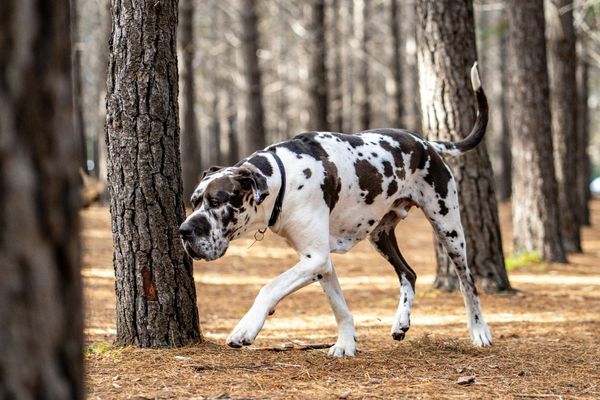
If you’re considering adding a Great Dane to your family, here are a few important things to bear in mind before you buy or adopt one.
- Great Danes are giant dogs, so they need plenty of space at home and outdoors. Despite their size, they adapt well to living in smaller houses, as long as they get enough mental and physical stimulation.
- Great Danes are generally excellent family dogs, but their large size means they should always be supervised around younger children, toddlers and babies. They love to lean against people for affection, which can sometimes result in accidental bumps or tumbles.
- Originally bred to hunt wild boar, Great Danes love to follow a scent and explore their surroundings. That means excellent recall training is essential, along with a securely enclosed garden with fencing high enough to prevent escape.
- If you’re considering adopting a Great Dane, check with local rescue centres or breed-specific rescue organisations to see whether they have any dogs available.
- If you’re buying a puppy, choose a licensed breeder with a good reputation. ‘Lucy’s Law’ now dictates that puppies must be bought directly from the breeder or adopted from a rescue centre. Third-party sellers are illegal.
- Like all breeds, Great Danes can suffer from a range of health conditions. Their giant size also means the Great Dane life expectancy is shorter than smaller breeds. Dog insurance can help cover the costs of unexpected illness or injuries, giving you peace of mind. If you choose dog insurance with Petplan, you’ll also get free access to our Pet Expert Chat feature, connecting you with experts, 24/7.
Great Dane FAQs
The typical Great Dane life expectancy is seven to ten years, although they can live longer. Giant breeds typically live shorter lives than smaller breeds. Feeding a balanced diet, exercising appropriately and taking your dog for regular vet check-ups can help keep your Great Dane healthy for as long as possible.
Great Danes are known for being gentle, affectionate and patient, which means they’re usually excellent family pets. As a large breed, socialisation and training from a young age are very important.
Female Great Danes are usually around 71-76cm tall at the shoulder. Males are typically a little taller, at 76-81cm inches.
Great Danes shed moderately throughout the year, but because of their short coat, this means their shedding can be a lot less noticeable than in longer-haired breeds like Border Collies, Golden Retrievers and Huskies.
Great Danes enjoy keeping watch over their families, and their large size and loud bark can be an effective deterrent. But at heart, Great Danes are sensitive and friendly, rather than aggressive. Early socialisation helps them grow into calm, confident adults.
Great Danes are calm, affectionate and friendly. While they can be a little reserved with strangers, they love spending time with their families and typically get along well with children, other pets and regular visitors.
Discover some of the most popular dog breeds
From active, energetic breeds to family favourites, check out our breed profiles for expert advice on temperament, health conditions, exercise requirements and more.




Researching other dog breeds? Discover which of the UK’s most popular dog breeds could be your perfect canine companion with our breed selector quiz.
Great Dane insurance considerations
Most Great Danes live healthy lives, but they can suffer from specific health issues. That’s why it is important to consider how long different policies cover ongoing conditions when choosing dog insurance.
Petplan’s Covered For Life® plan renews your veterinary fee limit each year. This means you can claim for ongoing conditions for the rest of your Great Dane’s life, providing there’s no break in cover.
We always offer these things as standard:

Physiotherapy
Physiotherapy & pet therapies
Along with physiotherapy, which is covered within the Vet Bills benefit, we also cover Pet Therapies like herbal medicine, homeopathy and acupuncture. You can also claim for hydrotherapy, up to £500 per illness/injury in dogs and cats (no additional limit for rabbits).









Related articles






Follow us

Petplan is a trading name of Pet Plan Limited (Registered in England and Wales with company number 1282939) and Allianz Insurance plc (Registered in England and Wales with company number 84638).
Pet Plan Limited is authorised and regulated by the Financial Conduct Authority. Financial Services reference number 311969. Allianz Insurance plc is authorised by the Prudential Regulation Authority and regulated by the Financial Conduct Authority and the Prudential Regulation Authority, reference number 121849. Registered address: 15 Bishopsgate, London, EC2N 3AR.