Dogs and hot weather: Your questions answered

Brian Faulkner - Article expert
Dr Brian Faulkner
Veterinary Surgeon
RCVS Registered
brown dog in the sun
How hot is too hot to walk a dog? Do dogs eat less in hot weather? And can hot weather cause diarrhoea in dogs? Find answers to your questions in our expert summer guide.

Quick Links

Most pets and their owners enjoy the sunshine and warmer temperatures of summer – but how hot is too hot for a dog, and when does it start affecting them negatively?

Below, we answer commonly asked questions about how heat affects dogs, so you can adjust your routine, spot early warning signs and keep them safe and comfortable as temperatures rise.

Dogs are much less efficient than humans at regulating body temperature, which makes them more vulnerable to overheating when the mercury rises. This also makes them the pets most often seen by vets for heat-related illnesses: a recent study found that more than half of vets in Britain had treated dogs for heat-related illness in a single summer.

While we cool ourselves by sweating, dogs only sweat through their paw pads. Their main way of releasing heat is by panting, which is far less effective – especially when the air is humid. It also accelerates fluid loss, which can lead to dehydration

Dogs also have a slightly higher body temperature than humans, typically between 38.3°C and 39.2°C, which means they can overheat more quickly as temperatures rise. Their coat can also make it harder to stay cool. While fur does offer some insulation, it can trap heat close to the skin in warm weather.

Just like humans, some dogs are more vulnerable to heat than others and may need extra care during warmer weather.

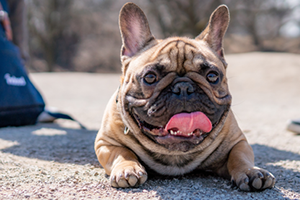
According to the British Veterinary Association, brachycephalic breeds (or ‘flat-faced breeds’) such as Pugs, French and English Bulldogs can be more vulnerable to heat because they are less efficient at panting to cool down. 

Dogs with very thick coats, such as Huskies, or those with black or dark-coloured coats may also struggle more.

Age and health also play a role. Senior dogs require extra care during the summer months, while puppies are less efficient at regulating their body temperature. Dogs that are overweight, less fit or that have health conditions – especially respiratory issues – may also not cope as well with hot weather.

Most people are aware of the dangers of dogs and hot cars, but few realise that simply walking dogs in hot weather can also be potentially hazardous. But how hot is too hot to walk a dog?

As a general rule, most dogs can tolerate temperatures of 15-23°C, provided water and shade are readily available. Careful consideration is required when temperatures reach 23-26°C, and when the mercury rises above 26°C, most dogs are safer at home.

However, there is no universal ‘safe’ temperature for every dog. Breed, age, fitness, humidity and access to shade all affect how well a dog copes with heat.

It’s not just the air temperature to consider when walking dogs in hot weather, either. Pavements, sand and artificial grass can become hot enough to burn your dog’s paw pads. On hot days, try the ‘five-second tarmac test’ before setting off. Place the back of your hand on the pavement and keep it there for five seconds. If it’s too hot for your hand, it’s too hot for your dog’s paws.

When walking dogs in hot weather, opt for the coolest parts of the day – early in the morning or after the sun has set in the evening, when both the ground and air are cooler.

Choose shaded routes where possible, take breaks when necessary, and keep walks short and gentle. Avoid intense exercise such as running, cycling or energetic games, as dogs can easily overheat with enthusiasm and overexertion.

Always carry fresh drinking water and a collapsible bowl. If your route includes a stream or lake, your dog may enjoy a swim to cool off – but be mindful of water quality and contamination risks.

If in doubt, skip the walk and opt for indoor activities instead.

Petplan’s Furcast tool helps you decide whether it’s safe to walk your dog on any given day, using your live local temperature and factoring in the breed of dog you have. A green paw means you’re good to go, amber advises caution and red recommends staying indoors.

Hot cars are one of the most dangerous summer risks for dogs. 

Never leave your dog alone in the car, even for a few moments – the temperature inside can rise extremely quickly. Even on a relatively mild 22°C day, the temperature inside a car can soar to 47°C in a short space of time. Parking in the shade, cracking a window open or leaving water in the car doesn’t lessen the risk to dogs in hot cars.

It’s best to keep travelling to a minimum during very hot weather – being stuck in a traffic jam in a hot car isn’t conducive to an enjoyable trip for dogs or humans! 

But if you do need to travel, keep journeys as short as possible (with plenty of breaks), leave early in the morning before temperatures rise, use sunshades on windows, and bring plenty of water. If you’re not sure whether there will be sufficient shade and respite from the heat along the way, it’s best not to risk taking your dog with you.

If you see a dog in distress inside an unattended hot car, call 999.

You may find that your dog eats a little less during the hotter months. This is usually because they’re not so active in warmer temperatures and use less energy – over 80% of UK dog owners report shorter exercise duration and reduced vigour in hot and humid spells.

Eating a little less is not a cause for concern, as long as your dog is still interested in food and isn’t losing a significant amount of weight. Why not see if you can tempt them with a cooling homemade summer treat?

However, if your dog is turning down food, showing signs of lethargy or has any physical symptoms such as vomiting or diarrhoea, it’s worth speaking to your vet. If you have Petplan dog insurance, you can also use our Pet Expert Chat to speak with an expert about any non-urgent concerns. Log in to your My Petplan account to get started.

It’s certainly common for dogs to be more subdued and less energetic when temperatures soar, especially during the hottest part of the day. If your dog seems sleepier than usual, make sure they have a cool, quiet place to rest. 

However, if you feel your dog’s lethargy is excessive, or if there are any other concerning symptoms, consult your vet.

Diarrhoea in dogs is more common in summer and can be linked to dehydration, heat stress or heatstroke. It may also happen simply because dogs spend more time outdoors and are more likely to pick up bacteria or eat something that upsets their stomach.

Conversely, dogs can be more susceptible to constipation in hot weather, with inadequate hydration leading to hard, infrequent stools.

If either lasts more than 24 hours – or if your dog also seems lethargic, is vomiting or refusing water – contact your vet.

Dogs lose more fluids in hot weather, especially through panting, so dehydration can develop quickly. 

Signs of dehydration to look out for include:

  • Dry mouth
  • Sunken eyes
  • Excessive thirst
  • Loss of skin elasticity
  • Excessive panting
  • Lethargy
  • Vomiting
  • Diarrhoea
  • Urine that’s darker than usual

If you’re concerned your dog might be dehydrated, consult your vet as soon as possible. In the meantime, do your best to rehydrate them with small amounts of water – try using a teaspoon (or a tablespoon for larger dogs) or ice chips.

Overheating can quickly lead to heatstroke, which is a medical emergency.

Keep a closer eye than usual on your dog’s behaviour and demeanour during hot spells, and watch out for signs such as:

  • Excessive or rapid panting
  • Drooling (especially if thick saliva is present) 
  • Lethargy
  • Lack of coordination/disorientation
  • Restlessness 
  • Bright red or very pale gums
  • Diarrhoea or vomiting
  • Weakness/shaking
  • Seizures

If your dog shows signs of overheating, move them to a cool, well-ventilated or air-conditioned place immediately. 

Offer small amounts of cool water, use cool (not ice-cold) water to wet their bodies, and help them cool down with a fan or a misting spray. Do not drape them in towels, as this can trap heat.

As soon as your dog is stable, take them to your vet immediately – they may need medication, fluids and additional support. When detected and treated early, dogs can recover fully from heatstroke, but a lack of prompt treatment can cause permanent organ failure or even be fatal.

As long as it’s a pet-friendly formulation, absolutely.

Dogs can get sunburn, so using a pet-safe sunscreen on delicate or light-coloured areas such as the ears, nose and belly can help to protect them. 

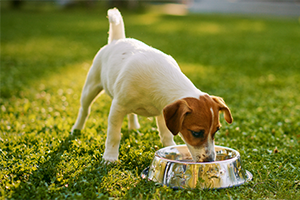
No dog is immune to the sun’s rays, but breeds with short fur and white coats – such as Dalmatians and Jack Russells – are the most vulnerable to burning.

Keeping your dog cool in summer is mostly about reducing heat exposure and helping them stay hydrated.

Make sure your dog always has access to cool, fresh drinking water, both indoors and outside. Place several bowls around the home and garden, top them up regularly and add ice cubes to help keep the water cool.

Keep indoor spaces shaded, cool and well-ventilated, and make sure your dog always has access to a shady place to rest.

A cooling mat or cooling vest can help lower your dog’s body temperature on hot days. If your dog enjoys water, wetting them with a hosepipe or playing in a paddling pool together can be a fun and effective way to cool off.

Regular grooming sessions can also help by removing excess hair and tangles to make it easier for air to circulate through your dog’s coat. It also allows you to monitor their skin for signs of sunburn, minor irritations or allergies

Curly-coated dogs may benefit from a light summer trim, but double-coated breeds should not be clipped, as their coats help regulate body temperature. If your dog’s coat requires clipping, remember to book a haircut for them at the beginning of summer.

If it’s too hot to go outside, keep your dog mentally stimulated indoors with games, training and enrichment activities. There are plenty of ways to do so, from food-based puzzles to training exercises. Why not try freezing some of their favourite treats and organising an indoor treasure trail?


Definitely! A cool bath is a great way to cool your dog down on a hot day. 

If you don’t have somewhere suitable at home, using one of the self-service Petplan Dog Washes is the perfect alternative. Located in popular dog-walking spots across the country, they’re an easy way to clean off after a walk – and in summer, they have the added benefit of helping your dog cool down before the journey home.

Understanding how hot weather affects dogs makes it much easier to keep them safe. By adjusting walks, keeping your dog cool and hydrated, and knowing the signs of dehydration and overheating, you can help your dog stay safe, comfortable and happy all summer long.

Found this article useful? Want to see similar content and engage with like-minded dog owners? Follow us on Petplan’s Facebook page.
Brian Faulkner - Article expert
FRCVS Petplan Vet Expert

Brian has been a vet for over 30 years. He is a past-President of the UK Society of Practising Veterinary Surgeons and an Associate Professor at Nottingham Veterinary School. He has worked in more than 250 veterinary practices as a clinician, as well as hundreds more as a consultant, and confidence coach.

Find out more about Brian

Follow us

Petplan is a trading name of Pet Plan Limited (Registered in England No. 1282939) and Allianz Insurance plc (Registered in England No. 84638), Registered office: 57 Ladymead, Guildford, Surrey GU1 1DB.

Pet Plan Limited is authorised and regulated by the Financial Conduct Authority. Financial Services Register No. 311969. Allianz Insurance plc is authorised by the Prudential Regulation Authority and regulated by the Financial Conduct Authority and the Prudential Regulation Authority. Financial Services Register No. 121849. Pet Plan Limited is a subsidiary of Allianz Insurance plc.