Top tips for sustainable dog ownership

From using biodegradable dog poop bags to choosing organic dog food, here are 12 top tips for sustainable dog ownership. 
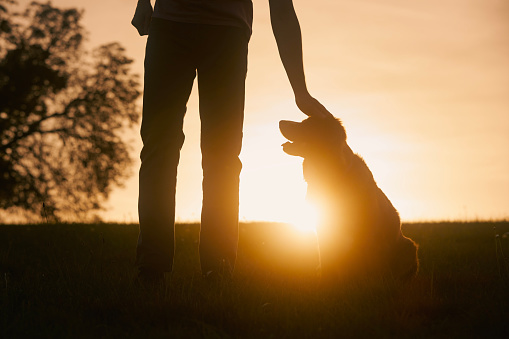
Dog and man with sunset behind

Quick Links

Being a responsible dog owner means keeping your dog as healthy and happy as possible, but it’s also possible to reduce their impact on the environment at the same time.  

Here are 12 ways to make dog ownership more sustainable – without compromising your pet’s health or wellbeing.  

What your dog eats is one of the biggest contributions to their carbon pawprint, so making the right choice can make a big difference.  

Organic dog food may be a more sustainable choice, since organic farms have restrictions on which pesticides and fertilisers are used, as well as strong requirements for how animals are raised. But organic doesn’t always mean a lower environmental impact, so it’s important to do your research.  

Consider factors such as the ingredients used and how the food is sourced. Choosing a brand that uses British produce can also help reduce transport emissions and the environmental impact of imported ingredients. 

No matter what food you choose, it needs to be complete and balanced, plus appropriate for your dog’s age and activity level.  

If you’re unsure about the best food for your dog, it’s always best to speak to your vet. If you have dog insurance with Petplan, try using our Pet Expert Chat feature to connect with professionals for nutrition advice. 

Another factor you can consider when buying your dog’s food is the packaging. Look for brands that come in recyclable dog food packaging: cardboard containers, compostable bags and aluminium tins are all widely recycled in local rubbish collections. 

Wet dog food in pouches is trickier to recycle, as this type of packaging is made of mixed materials. Some local recycling points, pet stores and supermarkets have collection bins for used pouches; just make sure they’re rinsed out before dropping them off.

Buying dog food in bulk can reduce the amount of packaging and how often you need to travel to stores to stock up. But only consider this option if you have enough space to store a larger amount of food, and you know your dog will eat it before its use-by date.  

Some pet stores and zero-waste stores also offer loose dog food that you can buy in the quantities you need and carry home in your own containers. 

You can reduce food waste by feeding your dog the right amount, too. If your dog consistently leaves food in their bowl, speak to your vet about assessing their body condition score, as you may be able to reduce the amount of food you’re giving them. 

Regular walks are essential for your dog’s mental and physical wellbeing – but don’t forget the environmental impact of what they leave behind. When choosing poop bags, consider those that are biodegradable or compostable.  

Biodegradable dog poop bags break down over time, while compostable bags break down much faster, in as little as three months. Even if you use biodegradable or compostable bags, always dispose of them in a suitable bin and never leave them in the park or street. 

Petplan has partnered with Eco Green Communities to provide free 100% compostable dog waste bags at our poo bag stations in parks, footpaths and beaches across England. Next time you’re out for a walk, keep an eye out for our stations so you can dispose of your dog’s waste in an eco-safe and environmentally friendly way. 

It’s important to always pick up your dog’s waste to prevent it from washing into rivers, streams and other waterways. Dog poop can contain bacteria, parasites and excess nutrients like nitrogen and phosphorus that can impact water quality and natural ecosystems.  

It’s also important to keep your dog away from waterways if you’ve recently used  flea and tick spot-on treatments containing ingredients like permethrin, fipronil and imidacloprid. These can be toxic to insects and aquatic life, so it’s recommended to avoid bathing your dog or letting them swim for at least four days after any spot-on treatments have been applied. As ever, if you’re unsure, ask your vet for advice. 

Cars are a major contributor to carbon emissions, so starting walks from home will help to reduce your carbon footprint.  

If you feel your dog might be becoming bored of your usual route, look for some new local dog walks or take a local bus or train with your dog to explore somewhere new via public transport. 

Look out for eco-friendly dog play options when you’re out, such as Petplan’s Dog Adventure Parks, which offer mentally and physically stimulating play equipment made from recycled materials. 

Making greener choices doesn’t end with your dog’s food and poo bags – there’s a wide range of sustainable, recycled or plastic-free dog accessories to choose from, too.  

Opt for eco-friendly dog toys made with sustainably sourced materials, such as natural rubber balls, hemp rope-pull toys or antler sticks. Planet-conscious dog brands include Beco, which stocks a range of low-impact dog accessories as well as food and treats. 

You could also consider your own dog-walking accessories. When it’s time to replace your old wellies, why not opt for sustainably sourced rubber boots instead of synthetic PVC?  

Choosing preloved items from charity shops or resale platforms is a great way to update your dog-walking wardrobe without the environmental impact of buying new.

If your dog loves playing with toys, consider reusing household items instead of buying new. Try making your own DIY toys and games using items like an empty plastic bottle, old T-shirt or a muffin baking tray.  

As with any toy, be sure to supervise your dog during playtime, check toys regularly for signs of damage, and remove anything that shows signs of breakage. 

Instead of leaving all toys out at once, try rotating them to keep your dog interested and avoid the need to buy new items as often.  

If you’ve got older dog toys and accessories you no longer use but are still in good condition, consider donating them rather than throwing them away. Ask friends and family if they need anything or check if your local rescue centre or animal charity needs any donations. Items such as dog beds, toys or accessories like leads and harnesses are often gratefully accepted.  

Some products can also be repaired rather than replaced. If something is damaged beyond repair or reuse, check whether any of its materials can be recycled before putting it in the bin. 

Grooming is another area where you can make sustainable choices, such as by choosing products in recyclable or refillable packaging. Consider whether your dog really needs a new item before buying – brushes, combs and other grooming equipment can typically be used for a long time, providing they’re still safe and effective. 

If your dog needs professional grooming, you could ask your groomer about their approach to waste, water and energy use. 

But remember: your dog’s skin and coat health should always come first, so choose grooming products that are suitable for their needs. If they have a skin condition or other health issue, check with your vet about which products are safe to use. 

If you’re thinking about bringing home a new dog, consider whether you could adopt a dog who needs a new home. Rescue centres and animal charities often have adult dogs looking for a second chance with a new family. 

You could also consider fostering a dog, or volunteering at a rescue centre if they need extra help. Use our rehoming centre search to find animal shelters in your area. 

Keeping your dog active, feeding them the right food, and making sure they’re up to date with veterinary check-ups and recommended vaccinations are all part of responsible dog ownership. In the long run, this proactive approach can potentially reduce the environmental impact of more intensive veterinary treatment. 

Insuring your dog with Petplan means you’re already taking a proactive step to support their future health, and you’re only a click away from great advice, insurance cover or making a claim. 

Sustainable dog ownership isn’t about being perfect; it’s about making small changes. Reducing waste, choosing biodegradable dog poop bags, shopping more thoughtfully and taking a proactive approach to your dog’s care can all help reduce their environmental impact while keeping them happy and healthy. 

It can be, depending on how the ingredients are produced, sourced and packaged. Look for brands that clearly explain which ingredients are used and why; and that also offer recyclable packaging. 

Yes. Biodegradable poo bags break down quicker than conventional plastics. However, before buying, check the manufacturer’s biodegradability or compostability certifications.

Choosing to adopt a dog can be a more sustainable choice than supporting the demand for specifically bred puppies. But your dog’s impact on the environment depends more on factors, such as diet, travel and the products you buy for them.

Found this article useful? Want to see similar content and engage with like-minded dog owners? Follow us on Petplan’s Facebook page.
Follow us

Petplan is a trading name of Pet Plan Limited (Registered in England and Wales with company number 1282939) and Allianz Insurance plc (Registered in England and Wales with company number 84638). 

Pet Plan Limited is authorised and regulated by the Financial Conduct Authority. Financial Services reference number 311969. Allianz Insurance plc is authorised by the Prudential Regulation Authority and regulated by the Financial Conduct Authority and the Prudential Regulation Authority, reference number 121849. Registered address: 15 Bishopsgate, London, EC2N 3AR.