Christmas safety tips for pets

Cat amongst decorations
Christmas is a magical time of year for us, but it can be stressful and unsettling for our animals. Use these Christmas tips for pets to keep them as calm and comfortable as possible.

Quick Links

The festive season brings a variety of sights, sounds and flavours that make Christmas special. However, many of the traditions we enjoy – decorations, delicious food and a busier house – can introduce hidden risks for pets.

By understanding the most common seasonal hazards, you can take proactive steps to protect your animals and ensure they remain happy and safe throughout the holidays.

Christmas often means a busier home, and new faces and extra noise can be stressful for your pet.

Make sure your cat, dog or indoor rabbit has a quiet, secure room they can escape to, and ask visitors to avoid going into this room so your pet doesn’t get startled or disturbed.

It’s important to maintain your pet’s normal winter feed routine so they don’t become too unsettled. Make sure visitors know not to feed table scraps or extra treats, so your pet doesn’t get sick.

If possible, try to stick to your dog’s regular exercise routine to keep them calm and avoid any holiday weight gain. A few long-lasting chews or a puzzle toy can also help to keep cats and dogs occupied amid the excitement.

The smell of turkey is irresistible to cats and dogs, so avoid leaving food anywhere within your pets’ reach. While small amounts of cooked, plain turkey breast are OK to feed to your cat or dog in moderation, bones can be harmful if they get lodged in the throat or splinter.

Many festive foods are also toxic for dogs and cats, including:

● Nuts
● Onions
● Chocolate
● Mince pies
● Blue cheese
● Christmas cake and pudding
● Raisins and grapes

Buying or making homemade treats means you can still give your cat, dog or even your rabbit a festive treat, without the risk of digestive issues.

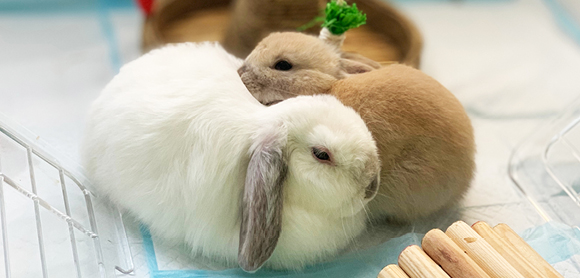
While rabbits are less likely to come into contact with dangerous foods, avoid giving them cooked greens, glazed vegetables or cooked potatoes. If you want to include your bunnies in the festivities, offer them a rabbit-safe Christmas dinner instead.

If you suspect your pet has eaten something dangerous, contact your vet immediately. You can also seek advice from a professional via our Pet Expert Chat if you have dog, cat or rabbit insurance with Petplan – simply log into your My Petplan account to access.

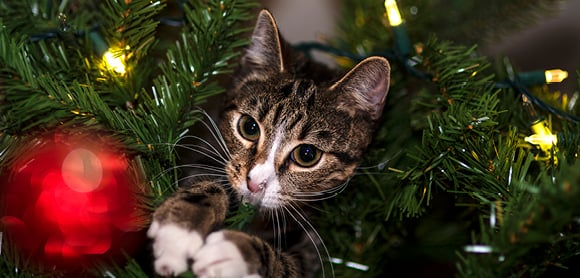
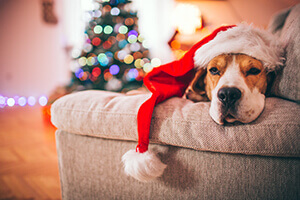
Real Christmas trees are a wonderful festive addition to our homes, but they can be troublesome for pets. The oils in fir trees can be mildly toxic and cause stomach upsets, while fallen needles can get stuck in your pet’s paws or throat. Avoid pet emergencies by keeping animals away from the Christmas tree and sweeping up any fallen needles regularly.

Artificial trees can also have small pieces that may break off, and decorations can cause choking or intestinal blockages if they’re swallowed. Make sure any tree you buy is secured so that it can’t be knocked over. Alternatively, buy a smaller version and place it out of reach.

While twinkling fairy lights are a staple of Christmas, the dangling cables can be a hazard for pets. Avoid accidents by placing wires out of reach so your pet can’t chew them, and never leave animals unattended around them.

Cats and dogs often have a fascination with bright lights and flashes, due to their innate predatory behaviour – but a bit of harmless excitement can lead to your pet’s behaviour becoming erratic. Protect your pets by switching lights to a consistent configuration or switch them off while your pet is in the room.

Pieces of ribbon and leftover wrapping paper can look like toys to our pets, but if swallowed, these items can cause serious health problems.

Keep the door shut when wrapping presents – and clear away any mess after unwrapping presents promptly – to avoid an emergency trip to the vets.

Sparkling baubles, tinsel and other festive decorations can be irresistible to your pet, while chocolate decorations can poison dogs and make them seriously ill. Hang breakable or edible decorations on high branches, out of reach of curious pets, to avoid breakages, ingestion or accidents.

Poinsettias, mistletoe, cyclamen and holly are festive favourites, but these plants are dangerous for pets – each with varying levels of toxicity. Side effects depend on how much has been consumed, but can include vomiting, diarrhoea and excessive drooling.

Avoid bringing these plants into your home if possible, or display them in a location where your pet definitely can’t get to them.

Winter weather means keeping your car topped up with antifreeze, but this contains a chemical known as ethylene glycol – which is extremely toxic to pets. If antifreeze drips from your car, your cat or dog could drink it or step in it before licking their paws.

Always keep antifreeze bottles out of reach and be careful not to spill any on the ground, as even the smallest amount can be very dangerous. If your pet does come into contact with antifreeze, contact your vet immediately.

Similarly, salt and grit used on roads and pavements can also pose a risk. It can irritate your pet’s paws, and if licked or ingested, it can cause salt poisoning. After walks, wipe your pet’s paws and fur to remove any residue, and provide fresh water to drink.

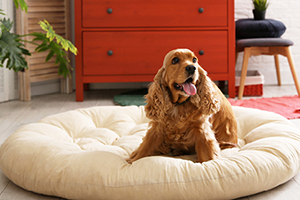
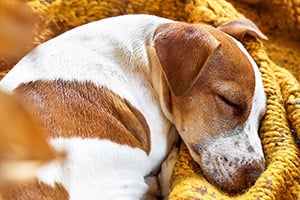
As the temperature drops. your pet will need somewhere warmer to sleep. A covered or heated bed will keep your cat cozy, while pet-safe heating pads are great for dogs with joint pain or arthritis.

Colder temperatures especially affect rabbits who live outdoors. Prepare them for winter by weatherproofing their home or by creating a space for them inside during the coldest months.

There’s nothing better than a crackling fire on a cold winter’s day – but be mindful about open flames around your pets.

If your cat or dog hasn’t seen an open fire before, they might try to investigate it too closely. Always use a fireguard and never leave your pet in the room unattended.

Festive candles should always be placed out of reach, too. If you have a curious cat who loves jumping onto high surfaces, consider using LED-powered candles for the same warm glow – minus the danger.

You may be tempted to turn up the heating as the temperature falls, but some animals may find this uncomfortable. The warm, dry air can cause dehydration and itchy skin, and can create the perfect breeding ground for fleas.

Double-coated dog breeds – such as Huskies, Border Collies and German Shepherds – might also start to overheat if the temperature indoors is too high. Avoid this by ensuring your pet is drinking enough water, and offer cool places for them to sleep, away from direct heat sources.

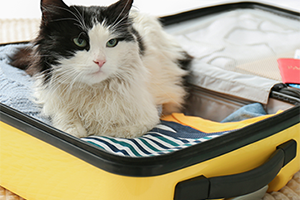
If you’re going away over Christmas, consider your options for who will care for your pets. Catteries and kennels are available for dog and cat boarding, or you can arrange for a sitter to come and stay in your home – this option offers the least disruption to pets' routines. Just make sure to book in plenty of time, as availability may be limited during the festive season.

Ensure any cat, dog or rabbit insurance is up to date, and leave details including your vet’s number and whether your pet has any specific feeding or exercise requirements.

By following the above tips, you can keep your pets safe and happy throughout the festive period, so you can relax and enjoy a stress-free Christmas.

Last updated: November 10, 2022
Follow us

Petplan is a trading name of Pet Plan Limited (Registered in England No. 1282939) and Allianz Insurance plc (Registered in England No. 84638), Registered office: 57 Ladymead, Guildford, Surrey GU1 1DB.

Pet Plan Limited is authorised and regulated by the Financial Conduct Authority. Financial Services Register No. 311969. Allianz Insurance plc is authorised by the Prudential Regulation Authority and regulated by the Financial Conduct Authority and the Prudential Regulation Authority. Financial Services Register No. 121849. Pet Plan Limited is a subsidiary of Allianz Insurance plc.