Pet pedicure: How to take care of cat and dog paws

Brian Faulkner - Article expert
Brian Faulkner
Veterinary Surgeon
RCVS Registered
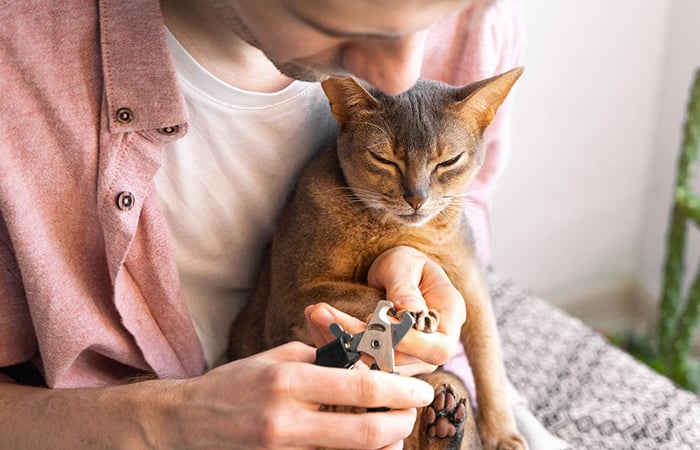
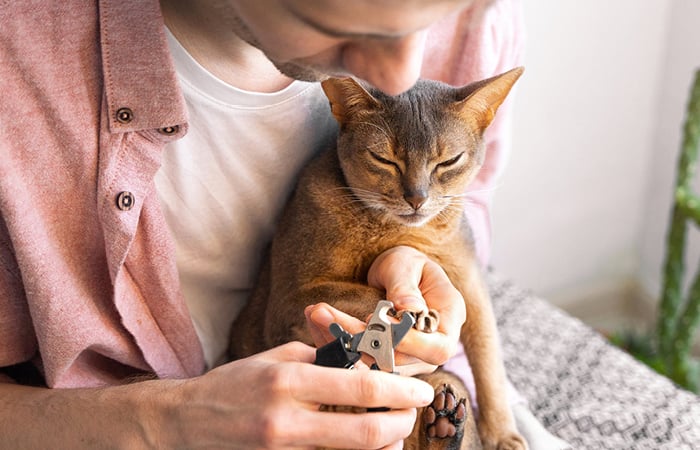
A Cat has its nails clipped
As a pet owner, it’s vital to make sure your pet’s paws are well looked after. Here’s how to give your pet a successful and safe pet pedicure.

Quick Links

Although cat and dog paws are naturally tough, they still need a little care and attention – just like our feet.

Find expert advice on how to give a pet pedicure below, including what to look out for when inspecting your pet’s paws; how to trim cat claws and dog nails, and seasonal care tips

Looking after your cat or dog’s paws is vital for their health. Their paws help them in many ways – from containing key sensory receptors and helping to regulate their body temperature to shock absorption when they’re jumping around.

But if your pet is struggling to bear weight on their paws, holding themselves differently or excessively licking them, this could signal that something isn’t quite right.

To ensure your pet’s paws are in good health, inspect them regularly to check for anything out of the ordinary – here are some things to watch out for.

Cracked paw pads can be caused by a range of factors, including harsh weather conditions, rough surfaces, exposure to chemicals, an allergic reaction or medical conditions like hyperkeratosis (thickening of paw pads). As well as being painful for your pet, leaving cracked paw pads untreated can lead to infection.

Alongside maintaining a balanced diet and proper hydration for your pet, massaging Vaseline, olive or coconut oil, shea butter or a natural moisturiser into paws can help to prevent cracking. You can also buy specific paw pad moisturisers from pet shops.

Whatever you choose to use, make sure products don’t have any artificial scents or ingredients, as these can cause irritation.

If your pet’s pads are bleeding or have severe cracking, don’t use moisturiser. Instead, take them to your vet so they can treat the issue and check if a broader health condition is to blame.

Pets can wound their paws by stepping on sharp objects, running on rough ground or fighting with other animals. Insect stings, bites and sharp plants can also cause injury.

Small cuts can be treated at home by gently washing your pet’s feet with an antibacterial wash or warm salt water and applying a small bandage. Take care when doing so, as the area may be sensitive.

If you discover a deeper cut or bite that’s bleeding heavily, take your pet to the vet as soon as possible, as they may need stitches or antibiotics.

If your pet’s paw is swollen, red or showing any discharge, it could be a sign of infection. Take them to the vet straight away for proper treatment and pain relief, and to prevent the infection from spreading.

It’s important to monitor potential infection carefully to ensure abscesses – bubbles or pockets filled with pus and blood – don’t occur. If you notice these, don’t touch them, as pressure on the area will be painful. Your vet will know the correct course of action to deal with this. In general, it’s always best to contact your vet if you have any concerns about your pet’s health.

If you have questions about looking after your pet’s paws – and have cat or dog insurance with Petplan – you can access our Pet Expert Chat for advice. Just log in to your My Petplan account and head to the My Support area to get started.

If you can hear your pet’s claws clicking on the floor, notice them while your cat is resting, or see them touching the ground when your dog stands, it’s likely time for a trim.

Pets don't often enjoy having their feet touched, but getting your pet accustomed to this from an early age can help. Occasionally offering your pet a paw massage can help them get used to the sensation – this includes gently rubbing the pads while moving between their toes.

Before you begin a pet pedicure session, make sure your pet is relaxed. You need them to keep as still as possible, as this will make things more comfortable for them and easier for you.

Wash your dog’s feet with warm, soapy water and a cloth, removing any dirt. You can also use this as an opportunity to inspect your dog’s paws for anything abnormal, as outlined in the section above.

Next, use dog nail clippers – these can be bought from most pet shops – to trim a small bit off the end of each nail. As they get used to this, you can then progress to the whole paw. Make sure that you don’t forget the dew claws (those higher up on the inner side of your dog’s leg). These are particularly prone to growing too long, as your dog doesn’t wear them down when walking.

If the claw starts to feel spongy while you’re trying to cut it, stop – you may be cutting the quick. This is pink in colour and can be harder to spot in dark or black claws. The quick provides the nail’s blood supply and can be painful if cut. It’s a good idea to have a styptic pencil or potassium permanganate on hand to stem any bleeding if you do accidentally snip the quick.

The hair between a dog’s paw pads can also become matted and painful to walk on, so trim these areas regularly, too. Use blunt-tipped scissors or clippers and gently separate your dog’s toes, making sure to comfortably trim the hair back as close to their skin as possible without cutting them.

You can also smooth each toenail after this step. This prevents the nails from splitting or accidentally cutting you when playing.

When you’ve finished, give your dog a tasty treat or a toy. This positive reinforcement will help them to associate trimming with rewards, and they may even start to enjoy the process.

When giving your dog a pet pedicure, maintain a calm attitude. If your dog is uncooperative or you feel uncomfortable trimming their nails yourself, speak to your vet or to a qualified dog groomer who can do this for you


If your cat’s claws are particularly long, you may need to give them a snip. When trimming cat claws, use a pair of rounded scissors or some with a point guard to ensure you don’t cut their skin or the quick.

Like dogs, cats – particularly those who are long-haired – can grow long hair between their pads. This can become matted and irritated, so look out for it. If you’re not confident trimming cat claws, it’s best to go to your vet for assistance.

Providing your cat with a scratching post can also allow them to naturally keep their claws in check – and deter them from clawing your furniture!

Temperature changes present a whole host of other issues when it comes to caring for your pet’s paws. Find summer and winter care tips below to give your pet happy feet all year round.

Just like human feet, our pets’ paws are sensitive to the surfaces they walk on. If the pavement feels too hot for your bare feet, it’s too hot for your pet’s paws – and could cause painful burns or blisters.

When the weather is particularly hot, only walk your dog or let your cat outside during cooler times, such as early in the morning or later at night. It’s also a good idea to groom them more regularly to get rid of any excess hair that may contribute to overheating.

If burning or blistering does happen, contact your vet immediately. To keep wounds clean, wash paws gently with an antibacterial soap or in warm, salty water, then wrap a gauze firmly around the foot and lower leg, securing it with tape.

Salt and de-icers can irritate your pet’s paws in winter. Take a towel when walking your dog so you can dry their paws thoroughly and remove any ice, salt or chemicals. Be sure to also clean your outside cat’s paws when they return from any outdoor adventures.

In harsh weather, such as snow, try to limit the amount of time your cat spends outdoors. You can also provide your dog with snow boots during walks to ensure winter walks are paw friendly.

Moisturising your pet’s paws with a paw balm regularly can help to protect them against any cracking or dryness.

Found this article useful? Want to see similar content and engage with like-minded pet owners? Follow us on Petplan’s Facebook page.
Brian Faulkner - Article expert
Petplan Vet Expert

Brian is a long standing vet and President of the UK Society of Practising Veterinary Surgeons. He's worked in more than 250 veterinary practices as a clinician, consultant and confidence coach. Brian holds several academic positions, is a keynote speaker and the founder of Colourful CPD, and organisation providing training for veterinary practices.

Brian co-writes our articles on pet health, where we cover everything from common conditions to supporting your pet after an operation.

Find out more about Brian

Follow us

Petplan is a trading name of Pet Plan Limited (Registered in England No. 1282939) and Allianz Insurance plc (Registered in England No. 84638), Registered office: 57 Ladymead, Guildford, Surrey GU1 1DB.

Pet Plan Limited is authorised and regulated by the Financial Conduct Authority. Financial Services Register No. 311969. Allianz Insurance plc is authorised by the Prudential Regulation Authority and regulated by the Financial Conduct Authority and the Prudential Regulation Authority. Financial Services Register No. 121849. Pet Plan Limited is a subsidiary of Allianz Insurance plc.