Pancreatitis in dogs: Causes, symptoms, and treatment

Brian Faulkner - Article expert
Brian Faulkner
Veterinary Surgeon
RCVS Registered
Pancreatitis in dogs is a serious condition that can be challenging to diagnose. Discover the symptoms, diagnosis, treatment and prevention strategies to lower your dog’s risk. 

Quick Links

Pancreatitis in dogs is relatively common, but the symptoms vary and are often easily mistaken for other illnesses. But severe pancreatitis can be life-threatening, so quick treatment is essential.

Here’s more about what pancreatitis is, the symptoms to look out for and how vets diagnose and treat this condition. Plus, learn tips for long-term management and how to lower your dog’s risk.

Pancreatitis is an inflammation of the pancreas. The pancreas is located near the stomach and is an important part of the digestive system. 

Pancreatitis happens when digestive enzymes produced in the pancreas leak into the organ’s tissue and start attacking it, causing inflammation. Pancreatitis can range from mild to severe, and symptoms often appear suddenly.

Often, the primary cause of pancreatitis is unknown, but triggers include:

  • Obesity 
  • Concurrent gastroenteritis
  • Stressful events, such as recent surgery
  • Eating a lot of high-fat foods (like fatty table scraps)
  • Certain medications, including some antibiotics and chemotherapy treatments

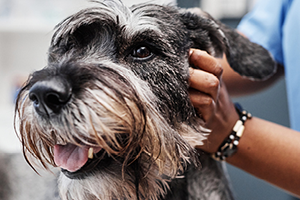
Pancreatitis can affect any breed of dog, although it’s more common in some breeds, including Miniature Schnauzers and English Cocker Spaniels.

The symptoms of pancreatitis can vary, depending on its severity. They tend to appear quite suddenly and often include: 

  • Vomiting
  • Diarrhoea
  • Weight loss 
  • High temperature
  • Decreased appetite 
  • Signs of pain, particularly in the abdominal area 
  • Standing in a ‘pray’ position, with the head bowed down and the back legs raised in the air

Some dogs may only have one or two symptoms, so if you notice any of these signs, it’s important to speak to your vet for advice. 

If you have dog insurance with Petplan, you can also use our Pet Expert Chat feature to get advice from vet professionals any time. Simply log in to your My Petplan account to access.

Prompt diagnosis of pancreatitis is very important, so book a vet exam as soon as possible. If left untreated, it can cause serious illness and be potentially life-threatening.

Here’s what to expect during a vet exam for pancreatitis.

Your vet will physically examine your dog, looking for signs of abdominal pain, fever or dehydration.

If your dog has eaten anything different or had access to fatty foods they don’t normally eat, be sure to mention this. It’s also a good idea to keep track of roughly how many times your dog has vomited or had diarrhoea over the last 24-48 hours.

Pancreatitis can be tricky to diagnose, so your vet will probably also run some pancreas-specific blood tests.

The symptoms of pancreatitis can sometimes be similar to those of other issues affecting the digestive system – for example, if your dog ate something they shouldn’t

Your vet may take X-rays to rule this out. They might also perform an abdominal ultrasound to check if the pancreas is inflamed, although sometimes this is only visible in more severe cases.

The treatment for pancreatitis depends on the severity. For milder cases, treatment usually involves:

  • Rest
  • Supportive care 
  • Pain-relief medication 
  • Anti-nausea medication 
  • Small, low-fat meals fed at regular intervals 

More severe cases may need to stay at the vet clinic for continuous monitoring and treatment, including:

  • Intravenous fluids 
  • Pain-relief medication 
  • Anti-nausea medication 
  • Monitored feeds or a stomach tube 

Most dogs make a full recovery if they’re diagnosed quickly and get the right vet treatment.

Once a dog has recovered from pancreatitis, they must avoid high-fat foods. This means dietary adjustments are often needed.

Dogs who have had pancreatitis need a low-fat diet, as high-fat foods can trigger inflammation in the pancreas.

Your vet can recommend the best dog food for pancreatitis, but aim for less than 20 grams of fat per 1,000 kcals. You’ll also need to avoid feeding any fatty table scraps, high-fat treats or fatty cuts of meat.

Food should also be gentle on your dog’s digestive system. It’s best to stick to food that contains easily digestible ingredients such as chicken or white rice.

Your vet may recommend a low-fat prescription dog food for pancreatitis, designed for digestive care.

Feeding smaller, more frequent meals means your dog’s digestive system is never overloaded. Try splitting your dog’s daily ration into four or five smaller meals and feeding these at regular intervals throughout the day.

Pancreatitis is a complex illness, so it can’t always be prevented. But there are some practical steps you can take to reduce your dog’s risk, including:

  • Controlling your dog’s weight
  • Avoiding sudden dietary changes 
  • Feeding complete, balanced dog food
  • Limiting treats and choosing low-fat options 
  • Storing leftovers somewhere your dog can’t reach
  • Securing any bins containing food scraps, so they can’t be accessed by your dog
  • Avoiding feeding high-fat foods such as fatty table scraps, cheese, fatty cuts of meat or fried foods
Found this article useful? Want to see similar content and engage with like-minded dog owners? Follow us on Petplan’s Facebook page.
Brian Faulkner - Article expert
Petplan Vet Expert

Brian is a long standing vet and President of the UK Society of Practising Veterinary Surgeons. He's worked in more than 250 veterinary practices as a clinician, consultant and confidence coach. Brian holds several academic positions, is a keynote speaker and the founder of Colourful CPD, and organisation providing training for veterinary practices.

Brian co-writes our articles on pet health, where we cover everything from common conditions to supporting your pet after an operation.

Find out more about Brian

Follow us

Petplan is a trading name of Pet Plan Limited (Registered in England No. 1282939) and Allianz Insurance plc (Registered in England No. 84638), Registered office: 57 Ladymead, Guildford, Surrey GU1 1DB.

Pet Plan Limited is authorised and regulated by the Financial Conduct Authority. Financial Services Register No. 311969. Allianz Insurance plc is authorised by the Prudential Regulation Authority and regulated by the Financial Conduct Authority and the Prudential Regulation Authority. Financial Services Register No. 121849. Pet Plan Limited is a subsidiary of Allianz Insurance plc.