
Just like humans, dogs experience a range of emotions and exhibit behaviours driven by those emotions. But unlike in humans, aggression in dogs is almost entirely instinctual – a fear or defence response that occurs when a dog believes they are under threat.
Aggression in dogs: What Makes a 'dangerous dog'?
Expert approved

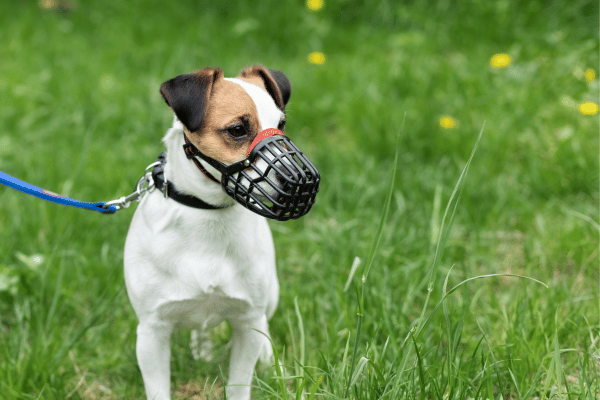
Aggression in dogs is rarely random. Behind every growl or snap there’s a reason – and finding it is the key to correcting it.
Quick Links
Are there dangerous dog breeds?
What’s the most dangerous breed of dog? Many of us will call certain images to mind. But the idea of dangerous dog breeds is a complicated and controversial one.
Research shows that puppies are not born blank slates – breed lineages provide behavioural tendencies. However, it’s predominantly the environment and upbringing that determine personality. The landmark 2022 Darwin’s Ark study, for example, found that breed ancestry accounts for only 9% of variation in an individual dog’s behaviour. In other words, aggressive or ‘dangerous dogs’ are usually the result of certain tendencies being mismanaged or not controlled.
The Dangerous Dogs Act 1991
In 1991, in response to several high-profile incidents which led to serious injury or death by dog attacks, the British Government created The Dangerous Dogs Act (The Dangerous Dogs Order in Northern Ireland).
In the UK today, legislation states that it’s illegal to own a ‘dangerously out of control’ dog, and this applies to all dog breeds. Five breeds specifically are banned under the Act. These are:
- XL Bully
- Pit Bull Terrier
- Japanese Tosa
- Dogo Argentino
- Fila Brasileiro
The XL Bully was added to the list in February 2024. Any existing owners must follow lifetime rules, including mandatory muzzling, microchipping, neutering and third-party insurance.
However, one of the main criticisms of The Dangerous Dogs Act is its implication that aggressive behaviour is confined to certain breeds of dogs, and that these breeds are more predisposed to displaying hostile behaviour than others – ignoring the importance of upbringing.
The ladder of aggression in dogs
Dogs express themselves mostly via body language, so you should be able to spot when they’re uneasy or tense before their behaviour escalates.
As a result, sudden aggression in dogs isn’t likely – instead, it may be that prior warning signs have been missed.
The ladder of aggression in dogs is a guide developed by behaviourists that shows how dogs communicate their feelings, starting with early warning signs. It demonstrates how, if not responded to early or properly, a dog’s behaviour can escalate into aggression.
Early signs of aggression in dogs might look like:
- Yawning
- Turning their head away
- Tucking their tail under
- Blinking or averting their gaze
- Nose or lip licking
- Crouching or leaning away
- Showing tension in their face and body
- Further up the scale, more overt reactions include:
- Shifting their weight to allow them to escape more easily
- Baring their teeth or snapping at the air
- Growling or snarling
- Lunging
- Biting
It’s important to remember that dogs are trying to communicate with us; they give us subtle cues to how they’re feeling. Ignoring these cues can push a dog further up the ladder towards more serious defensive behaviour.
Recognising these signs of aggression in dogs early gives you the best chance of safely de-escalating a situation.
Causes of aggression in dogs
Food aggression in dogs
Food aggression, also known as resource guarding, occurs when a dog defensively guards their food against what they perceive as a threat of losing it.
This type of possessive aggressive behaviour in dogs is natural and relatively innocent – dogs will often run away to a quiet corner with their favourite treat. But this becomes problematic when it escalates to more intense behaviours such as stiffening and growling.
Manage food aggression in your dog by:
- Feeding them in a crate or away from other pets or people
- Offering treats from a distance but moving closer over time, so they develop positive associations with people approaching them
- Avoiding punishment, as this increases anxiety and can worsen the behaviour
Fear aggression in dogs
Fear aggression occurs when cornered or overwhelmed dogs feel threatened and resort to aggressive behaviour to defend themselves. This is often caused by anxiety and a desire to create distance from a perceived danger, rather than an attempt to assert dominance – a common misconception.
Territorial aggression in dogs
Territorial aggression occurs when a dog feels the need to protect their surroundings from an unfamiliar person or animal. For example, aggressive behaviour in dogs towards other dogs in or near their home is often due to fear and anxiety rather than dominance assertion.
This behaviour is also more common in dogs that haven’t been adequately socialised. It may present as intense barking rather than anything more serious – but it’s worth addressing early.
Pain and sickness
Dogs that are unwell or in pain might lash out defensively to protect sore parts of their bodies from being touched or bumped, and to prevent further discomfort. This kind of aggression is typically a warning sign of an underlying medical issue, rather than a behavioural problem.
Hormones
Are dogs more aggressive when in heat? Hormonal changes can certainly influence behaviour. Unneutered females may become more irritable or reactive, while unneutered male dogs may show increased territorial aggression because of the presence of a female in heat.
Neutering can reduce hormonally driven aggression, though it won’t address behaviours that have already become learned or habitual.
How to prevent aggression in dogs
Understanding how to stop aggressive behaviour in dogs comes down to uncovering the root cause. If you’re able to identify your pet’s triggers, you’re already halfway there to solving the issue.
How to stop aggressive behaviour in dogs
- Socialise your dog as young as possible, so that other dogs and people aren’t seen as a threat later in life
- Use rewards and positive reinforcement for calm behaviour
- Teach your dog the ‘leave’ command to help them resist impulsive behaviour
- Limit your dog’s exposure to triggers and remove them from a situation as soon as they seem uncomfortable
- Educate children about your dog’s behaviour and always supervise interactions
- Use distraction techniques (such as using a squeaky toy) to refocus your dog
Avoid:
- Letting your dog approach another dog if either animal is displaying warning signs
- Asserting dominance – there is no evidence that dominance techniques work, and they can worsen aggression
- Disturbing your dog while they are sleeping or eating
If you’re concerned about aggressive behaviour in your dog, start by booking an appointment with your vet. Although behavioural issues are the most common cause, pain or an underlying medical condition can sometimes be responsible, so it’s important to rule these out first.
Once any health problems have been excluded, your vet can refer you to a suitably qualified clinical animal behaviourist if needed. Avoid relying solely on general dog training classes, as these may not be appropriate for dogs showing signs of aggression.
If you have dog insurance with Petplan, you can use our Pet Expert Chat to speak to qualified professionals by simply logging into your My Petplan account.
Remember, aggression can be a natural part of animal behaviour and often means your dog is communicating in the only way they know how. But by following these tips or working with a qualified behaviourist, you can help your dog to feel calmer, safer and more confident in everyday situations.
Dangerous dog FAQ's
No dog breed is inherently dangerous. However, some breeds have been developed for traits such as strength, tenacity or a high prey drive, which means they may require experienced handling and responsible ownership.
It’s important to distinguish between the Pit Bull Terrier, which is a banned breed type under UK law, and legal breeds such as the Bull Terrier and Staffordshire Bull Terriers. Like all dogs, these breeds can make affectionate, loyal family pets when they’re responsibly bred, well socialised and trained using positive reinforcement.
Not always, but it can almost always be managed. The frequency of aggressive behaviour can often be reduced, and sometimes eliminated, but there’s no guarantee of a complete cure.
In most cases the goal is effective management: identifying triggers, reducing exposure to them and building calmer responses through consistent training. Aggressive behaviour can often be addressed and redirected, particularly during the early stages of development.
No, disciplining an aggressive or ‘dangerous dog’ is likely to make things worse. To your dog, punishment reads as another threat, which can escalate the behaviour you're trying to stop.
Found this article useful? Want to see similar content and engage with like-minded dog owners? Follow us on Petplan’s Facebook page.
Dr Brian Faulkner

Follow us

Petplan is a trading name of Pet Plan Limited (Registered in England and Wales with company number 1282939) and Allianz Insurance plc (Registered in England and Wales with company number 84638).
Pet Plan Limited is authorised and regulated by the Financial Conduct Authority. Financial Services reference number 311969. Allianz Insurance plc is authorised by the Prudential Regulation Authority and regulated by the Financial Conduct Authority and the Prudential Regulation Authority, reference number 121849. Registered address: 15 Bishopsgate, London, EC2N 3AR.