Cat noises and what they mean 

From meows and purrs to hisses and growls, cats have many ways of communicating with us. Here are eight of the most common cat noises and meanings. 
ginger cat meowing

Cats communicate vocally in lots of different ways – from mother- kitten communication to interacting with humans to ask for food, attention, reassurance or space. While some cats are relatively quiet, certain breeds – such as Orientals, Siamese, Tonkinese and Burmese – are known for being highly vocal.

Because it’s not always clear what each noise means, it’s important to understand whether your cat is just being talkative or has an issue that requires vet attention. To help you spot the difference, we’ve uncovered eight of the most common cat noises and what they can mean. 
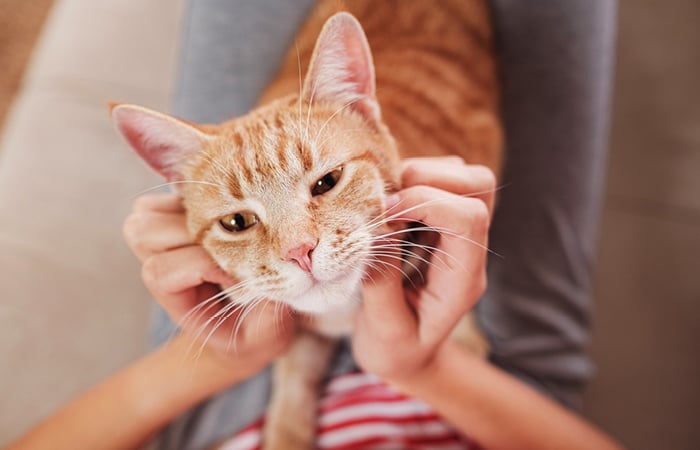
Purring is one of the most common happy cat noises – but that’s not the only meaning behind this distinctive sound. Here’s a rundown of the most common reasons why your cat might be purring.

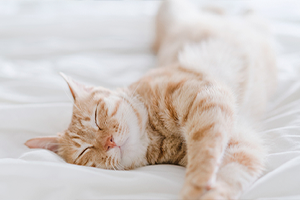
If your cat is purring while they’re curled up, relaxed and looking sleepy, you can assume they’re purring because they’re happy.

When your cat is hungry, you might hear purrs mixed with regular meows.

If a cat is hurt or afraid, purring can offer them a sense of relief and comfort. Because purring is often a positive signal, it’s thought that cats might gain reassurance when they hear their own purrs.

All domestic cats are born with the ability to purr. Kittens purr before they can even open their eyes to reassure their mother they’re alive and well, and mum purrs back to let them know she’s ready to nurse them. The vibrations from the mother’s purrs also allow young kittens to find her more easily.

Scientists think that purring is a natural healing tool. The low frequency of purrs can improve bone strength and mobility, as well as repair tendons and ligaments, reducing pain and swelling. 

Alongside purring, meows are one of the best-known cat noises. Cats typically use this sound to communicate with people, not other cats. A meow usually means your cat wants something, but exactly what depends on the length and pitch of the meow. 

Meows can mean all kinds of things, so it’s also important to pay attention to the context, your cat’s usual behaviour and their body language.  

This meow is usually your cat’s way of asking for something. Maybe you forgot it was dinner time, or they want to go outside, and the door is shut. If you hear this meow, it’s time to figure out what your cat needs.

This is often your cat’s way of saying hello. They might use this sound when you greet them first thing in the morning or when you come home after they’ve been left alone.

A chirrup or chirp is a high-pitched sound that usually indicates excitement or happiness. Some cats chirrup when they see birds or other prey through a window, while others chirrup in happiness when greeting you.

Chattering or twittering is the sound a cat makes when they smack their jaws together. Cats often make this sound when they’ve seen something they can’t reach, and it may be combined with chirruping. 

A trill is a soft, rolling noise that mother cats use to communicate with their kittens. It sounds like a combination of a purr and a meow. Adult cats tend to trill in greeting or to catch your attention. 

A hissing cat noise is typically a warning sign that a cat is feeling threatened. Sometimes, it’s followed by a growl. These are some of the most recognisable angry cat noises and might be directed at another cat or at a person. It’s usually accompanied by unhappy body language, such as a thrashing tail, wide eyes and flattened ears. 

One of the most alarming noises cats make – a yowl is a long, loud, unhappy-sounding cry. If your cat is making ‘weird’ noises like yowling or howling, it might be a sign of physical or mental distress. 

Here are some of the common triggers for yowling.

In some cases, yowling in cats can be a signal that they’re in pain from an injury or illness. But yowling isn’t always the result of physical discomfort. Look out for other  signs of pain, including a hunched posture, awkward movements, or hiding or shying away from being touched. Always speak to your vet if you’re concerned. 

Cats may yowl or growl for territorial reasons, to warn intruders off their turf. This type of yowling might occur if your pet has seen or picked up the scent of other local cats, human strangers, squirrels or other ‘trespassers’ outside.

If your cat’s yowling seems to be triggered by something external, it may be helpful to provide a safe space within your home where windows are closed and covered up, so they can’t spot or sniff out any interlopers.

As well as yowling if their territory feels threatened, cats may become more vocal in other situations where they feel insecure or anxious. Unfamiliar places (such as a new house), new pets, new family members or other big changes to their routine can leave cats feeling stressed, which can sometimes lead to yowling.

Try to work out if there’s a specific trigger for your cat’s yowling, so you can give them extra reassurance and attention if they need it. Alternatively, provide a peaceful place for them to retreat from stressors in their environment.

If your cat is frustrated or anxious that you’re not around much, or even just bored and demanding your attention, they might yowl to ask for attention. 

Make sure they have company and stimulation if they’re lonely or bored. Providing toys, games and quality time can help to keep them entertained.

If your pet is an indoor cat, you could consider creating an outdoor play area where they can exercise safely. If you’re not around in the daytime, arranging for a friend or cat sitter to pop in for a play session can also be a good solution.

Older cats can be particularly prone to yowling. Cognitive dysfunction syndrome (CDS) (also known as feline dementia) is on the rise, as more cats are living for longer. The resulting disorientation, anxiety and confusion can set them off. Other age-related health issues, including failing sight or hearing, can also leave your elderly cat feeling confused and insecure, and therefore more likely to yowl. A deaf cat may become noisier to compensate for their hearing loss.

Another type of yowling, the caterwaul is an extremely loud noise and common in cats that haven’t been neutered. Unneutered males may yowl to signal their presence to females, while unneutered females yowl when they come into season. 

Loud noises, such as thunderstorms and fireworks, can frighten cats. Some cats are also scared of things such as vacuum cleaners, hairdryers and lawnmowers – especially if they weren’t exposed to these sounds when they were kittens.

If your cat does have a noise phobia, take steps to help them feel safe at home and consider talking to a qualified behaviourist or your vet. If you have cat insurance with Petplan, try our Pet Expert Chat feature to speak with a veterinary professional or behaviourist for personalised advice.

Found this article useful? Want to see similar content and engage with like-minded cat owners? Follow us on Petplan’s Facebook page.
Follow us

Petplan is a trading name of Pet Plan Limited (Registered in England No. 1282939) and Allianz Insurance plc (Registered in England No. 84638), Registered office: 57 Ladymead, Guildford, Surrey GU1 1DB.

Pet Plan Limited is authorised and regulated by the Financial Conduct Authority. Financial Services Register No. 311969. Allianz Insurance plc is authorised by the Prudential Regulation Authority and regulated by the Financial Conduct Authority and the Prudential Regulation Authority. Financial Services Register No. 121849. Pet Plan Limited is a subsidiary of Allianz Insurance plc.