What plants are poisonous to cats?

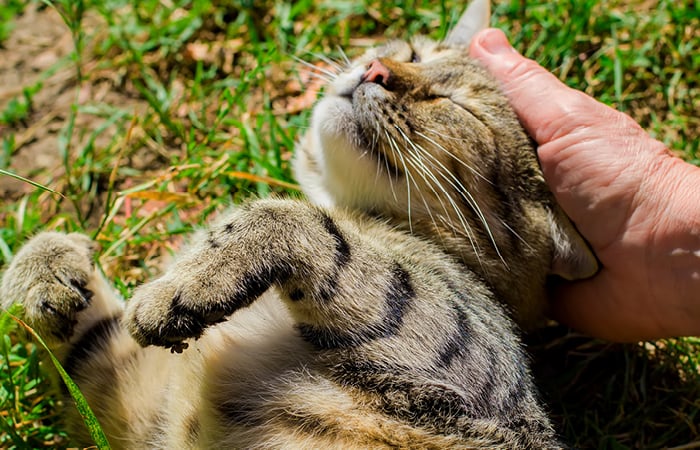
cat eating plants
Cats are curious and love to explore – which means they might end up investigating the plants in your home and garden. But a lot of these can be poisonous, so it’s important to know which plants to avoid and which are safe to include in your home and garden.

Quick Links

There are a lot of indoor and outdoor plants harmful to cats. “Many common spring plants can be life-threatening to cats if ingested, so it’s vital to be aware of the dangers and recognise the signs,” explains Dr Brian Faulkner.

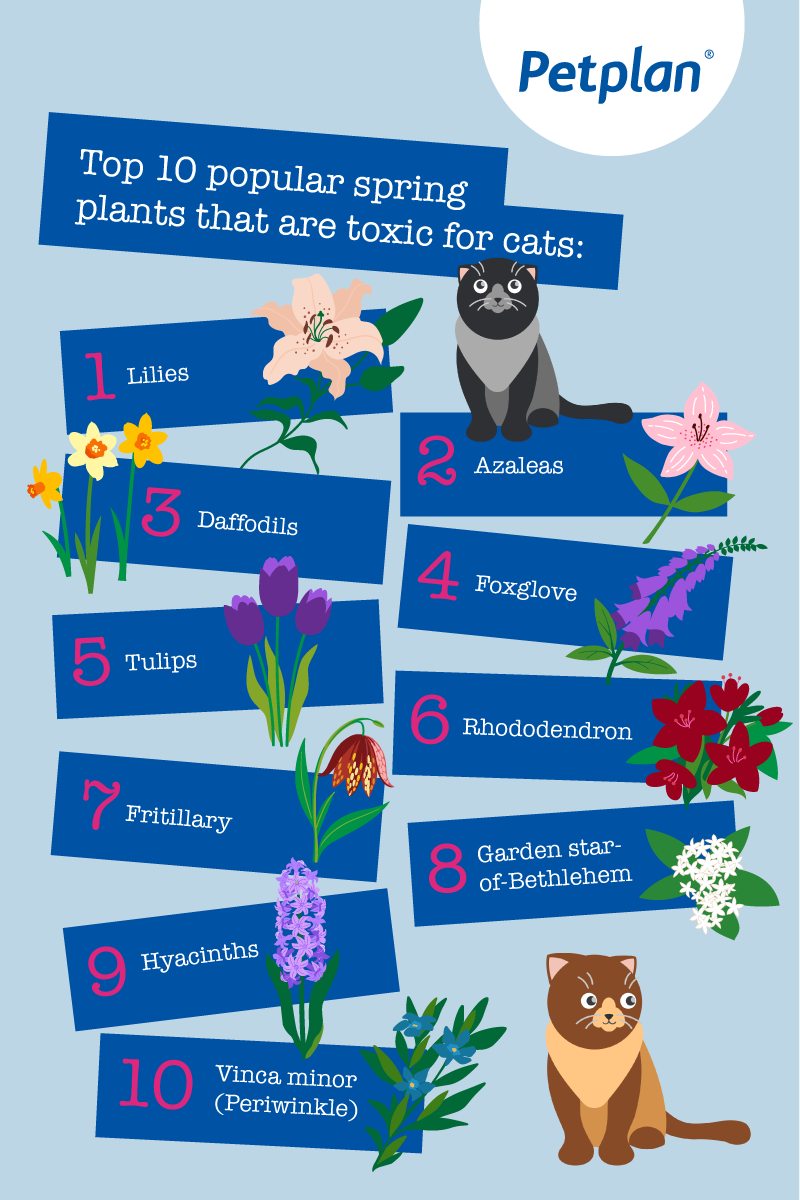
“Lilies are a prime example. Every part of the flower – leaves, stems and even the pollen – can cause fatal kidney failure. And their frequent appearance at Easter and in Mother's Day bouquets make them a significant, and often overlooked, seasonal hazard for cats. Without immediate veterinary treatment, lily poisoning in cats is often irreversible and deadly.”

If a plant you’re concerned about isn’t on this list, ask your vet for advice. If you have cat insurance with Petplan, you can also use the Pet Expert Chat feature to speak with vet professionals from the comfort of your own home. Simply log in to your My Petplan account and visit the My Support area.

While not a definitive list, we've identified some of the most common toxic plants for cats below.

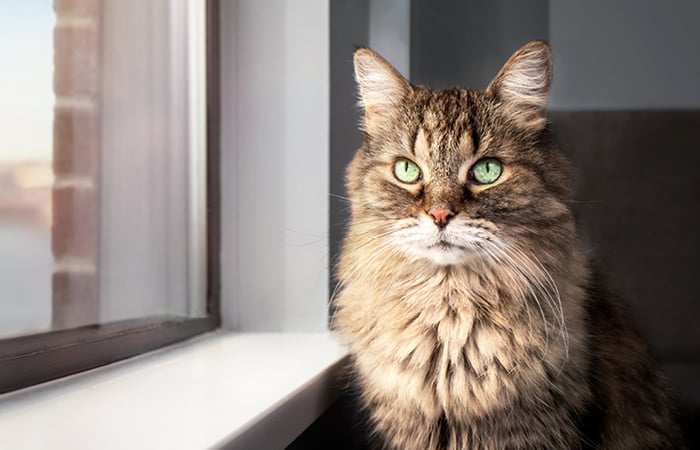
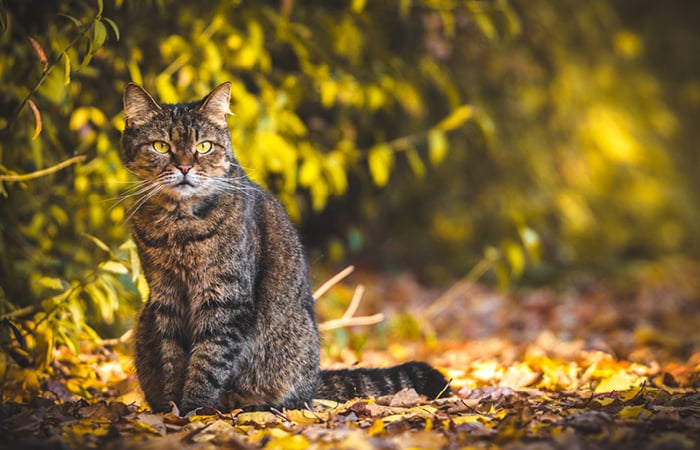
cat in garden

Swipe to view more

Agave Pencil Cactus Pothos

Alocasia

Philodendron

Rubber plant

Aloe vera

Poinsettia

Schefflera

Amaryllis

Polyscias fabian (also known as ‘Polyscias scutellaria’, the ‘Shield aralia’, or ‘Plum aralia’)

Snake plant

Ant plant (also known as ‘Hydnophytum’)

Fishtail palm

Tradescantia (also known as ‘Spiderwort’)

Anthurium

Gladioli bulb

Weeping fig (also known as the ‘Ficus benjamina’)

Arrowhead vine

Homalomena rubescens (also known as ‘Maggy’)

Yesterday, today and tomorrow (also known as ‘Brunfelsia pauciflora’)

Asparagus fern

Hyacinths bulb

Yucca

Begonia

Iron cross begonia

Zanzibar gem (also known as ‘Zamioculcas zamiifolia’)

Bird of paradise

Jade plant

Pencil cactus

Caladium

Kalanchoe

Philodendron

Calla lily

Moreton Bay chestnut (also known as ‘Castanospermum’)

Poinsettia

Cheese plant

Peace lily

Polyscias fabian (also known as ‘Polyscias scutellaria’, the ‘Shield aralia’, or ‘Plum aralia’)

Chinese evergreen

Fishtail palm

Pothos

Clusia

Gladioli bulb

Rubber plant

Coleus

Homalomena rubescens (also known as ‘Maggy’)

Schefflera

Cyclamen

Hyacinths bulb

Snake plant

Cycad (all varieties including the Sago palm and Fern palm are extremely poisonous)

Iron cross begonia

Tradescantia (also known as ‘Spiderwort’)

Dracaena

Jade plant

Weeping fig (also known as the ‘Ficus benjamina’)

Dumb cane

Kalanchoe

Yesterday, today and tomorrow (also known as ‘Brunfelsia pauciflora’)

English ivy

Moreton Bay chestnut (also known as ‘Castanospermum’)

Yucca

Fiddle-leaf fig

Peace lily

Zanzibar gem (also known as ‘Zamioculcas zamiifolia’)

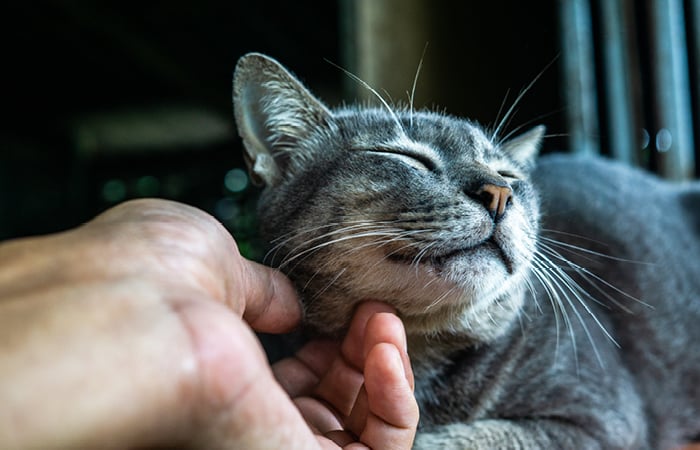
cat eating leaf

Swipe to view more

Azalea

Juniper

Autumn crocus

Lilies – all varieties

Chrysanthemum

Lily of the valley

Daffodils

Nicotiana

Delphinium

Oleander (also known as ‘Rosebay’ or ‘Nerium oleander’)

Flame lily (also known as ‘Gloriosa superba’)   

Rhododendron

Foxglove

Rhubarb

Fritillary

Tomato plant

Garden star-of-Bethlehem (also known as ‘Ornithogalum umbellatum’)

Tulips

Hyacinth

Vinca minor (commonly known as the ‘Periwinkle’)

“Other dangerous spring blooms cat owners need to avoid include tulips, hyacinths and daffodils,” adds Dr Brian. “These vibrant plants can lead to severe gastrointestinal upset, including vomiting and diarrhoea.

“The simplest way to keep your cat safe is by always knowing what you grow and choosing pet-safe alternatives wherever possible. If you suspect your cat has ingested a toxic plant, contact your vet immediately."

Most cats will sniff plants, but tend to avoid eating them – except the occasional bit of grass. However, others may decide to play with foliage and take an exploratory bite. If the plant is poisonous, this can cause problems for your cat which can range in severity depending on how much of the plant is eaten.

The pollen and leaves of some plants can also cause contact irritation or allergies, so your cat may have a reaction if they’ve brushed against the plant or got pollen on their fur – which can also cause them to accidentally ingest poisonous substances while grooming.

plants poisonous to cats infographic

If you’re concerned your cat has ingested or come into contact with a poisonous plant, these are the symptoms to watch out for:

  • Itching
  • Swelling
  • Red or watery eyes 
  • Lethargy
  • Vomiting
  • Breathing difficulties 
  • Drooling
  • Diarrhoea
  • Lack of appetite
  • Excessive drinking
  • Frequent urination 
  • Seizures 
  • Tremors 
  • Pale gums
  • Collapse

“It’s important to note that your cat might only show one or two symptoms of poisoning, and early intervention is key,” Dr Brian explains. “Knowing which plant your cat has eaten or come into contact with will also help your vet decide on what treatment they need.”

If you think your cat has eaten a poisonous plant, look for signs that a leaf has been chewed off, or for pollen on their coat.

Swipe to view more

Aeschynanthus japhrolepis

Maidenhair fern

Aspidistra

Money tree

Boston fern

Musa dwarf cavendish

Bromeliad

Orchids

Calathea

Parlour palm

Chinese money plant

Peperomia

Christmas cactus

Phlebodium aureum

Coconut palm

Rex begonia vine

Crocodile fern

Sedum

Delosperma echinatum

Spider plant

Fishbone cactus

String of hearts

Hoya

Stromanthe

Kentia palm

Zebra plant

“There are many beautiful floral varieties that cat owners can embrace in spring,” Dr Brian says. “Options such as African Daisies, lilacs, alyssum and magnolias are generally considered safe. Despite not being quintessentially seasonal, orchids are also a great alternative to lilies for those looking to gift flowers to pet owners over spring and Easter.

“Though these plants are considered non-toxic, it’s important to always supervise cats as excessive ingestion can still cause mild stomach upset. And remember, any pesticides or fertilisers used can also be harmful, so always ensure a chemical-free home for your cats."

Swipe to view more

African daisy

Lilac

Alyssum

Magnolia

Buddleia

Nasturtium

Calendula

Petunias

Camellia

Roses

Cosmos

Rosemary

Echinacea

Sunflowers

Freesia

Violets

Gerbera

Zinnia

Hawthorn


Lilies are extremely poisonous to cats, and all parts of the leaves, flowers, and pollen can be dangerous if ingested or even just licked by your cat. The water that lilies have been standing in can also be toxic. 

Cats aren’t often interested in eating lilies, but may get pollen on their fur which they then lick off when grooming. Coming into contact with any part of a lily can cause kidney failure, so urgent vet care is needed.

Daffodils might look pretty, but they’re also poisonous to cats. The bulbs are poisonous if eaten, and the sap from cut flowers can also cause an allergic reaction.

Roses aren’t poisonous to cats, so they’re safe to keep in your home or garden. If roses have been treated with chemicals like pesticides, care should be taken to keep your cat away. The thorns on rose leaves and stems may scratch your cat if they get too close, but most cats learn to avoid roses for this reason.

Which cat-safe plants do you have in your home or garden? Head to Petplan’s Facebook page and let us know.
Follow us

Petplan is a trading name of Pet Plan Limited (Registered in England No. 1282939) and Allianz Insurance plc (Registered in England No. 84638), Registered office: 57 Ladymead, Guildford, Surrey GU1 1DB.

Pet Plan Limited is authorised and regulated by the Financial Conduct Authority. Financial Services Register No. 311969. Allianz Insurance plc is authorised by the Prudential Regulation Authority and regulated by the Financial Conduct Authority and the Prudential Regulation Authority. Financial Services Register No. 121849. Pet Plan Limited is a subsidiary of Allianz Insurance plc.