
Christmas safety tips for pets

Brian Faulkner - Article expert
Dr Brian Faulkner, FRCVS

RCVS-Registered Veterinary Surgeon

About Dr Brian Faulkner

Nick Jones sitting beside a labradoodle
Nick Jones, MA

Dog Behaviourist and Dog Expert Witness

About Nick Jones

Christmas is a magical time of year for us, but it can be stressful and unsettling for our animals. Use these Christmas tips for pets to keep them as calm and comfortable as possible.
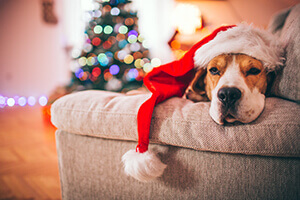
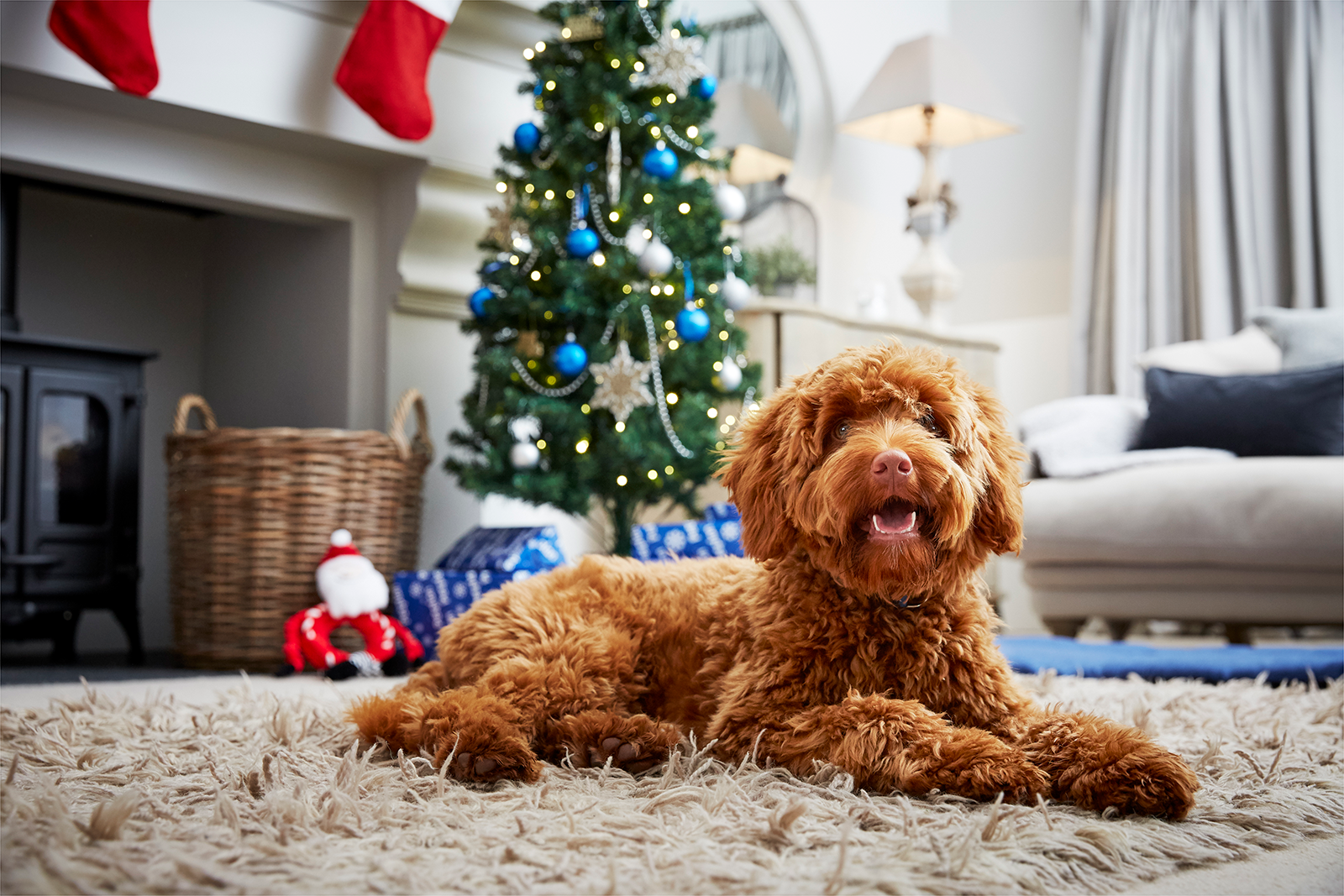
A brown dog lying on a rug in front of a decorated Christmas tree

The festive season brings a variety of sights, sounds and flavours that make Christmas special. However, many of the traditions we enjoy – decorations, delicious food and a busier house – can introduce hidden risks for pets.

By understanding the most common seasonal hazards, you can take proactive steps to protect your animals and ensure they remain happy and safe throughout the holidays.


Christmas often means a busier home, and new faces and extra noise can be stressful for your pet. Make sure your cat, dog or indoor rabbit has a quiet, secure room they can escape to, and ask visitors to avoid going into this room so your pet doesn’t get startled or disturbed.

Petplan’s dog behaviourist Nick Jones (MA) shares: 

“Some pets find it stressful when lots of guests come over. Create a quiet, comfortable space in another room where your pet can retreat from noise and activity. Try to keep to their usual routine as much as possible, as familiar habits can reduce stress. For dogs, taking them for a walk before guests arrive can help them burn off excess energy and keep them calmer throughout the festivities.”  

It’s important to maintain your pet’s normal winter feed routine so they don’t become too unsettled. Make sure visitors know not to feed table scraps or extra treats, so your pet doesn’t get sick.

If possible, try to stick to your dog’s regular exercise routine to keep them calm and avoid any holiday weight gain. A few long-lasting chews or a puzzle toy can also help to keep cats and dogs occupied amid the excitement.

The smell of turkey is irresistible to cats and dogs, so avoid leaving food anywhere within your pets’ reach. While small amounts of cooked, plain turkey breast are OK to feed to your cat or dog in moderation, bones can be harmful if they get lodged in the throat or splinter.

Many festive foods are also toxic for dogs and cats, especially rabbits including:

  • Nuts
  • Onions
  • Chocolate
  • Mince pies
  • Blue cheese
  • Christmas cake and pudding
  • Raisins and grapes

Petplan’s data shows pets were more than twice as likely to need veterinary treatment for eating toxic food in December and January than during the rest of 2025. In 2025, Petplan paid £725,635 across 1,974 festive food claims, while dog poisoning claims were 36% higher in December than in any other month.

Buying or making homemade treats means you can still give your cat, dog or even your rabbit a festive treat, without the risk of digestive issues.

While rabbits are less likely to come into contact with dangerous foods, avoid giving them cooked greens, glazed vegetables or cooked potatoes. If you want to include your bunnies in the festivities, offer them a rabbit-safe Christmas dinner instead.

Alcohol is poisonous to pets, so keep alcohol away from them and ensure you wipe up any spills right away.

If you suspect your pet has eaten something dangerous, contact your vet immediately. You can also seek advice from a professional via our Pet Expert Chat if you have dog, cat or rabbit insurance with Petplan – simply log into your My Petplan account to access.

Real Christmas trees are a wonderful festive addition to our homes, but they can be troublesome for pets. The oils in fir trees can be mildly toxic and cause stomach upsets, while fallen needles can get stuck in your pet’s paws or throat.

Avoid pet emergencies by keeping animals away from the Christmas tree and sweeping up any fallen needles regularly. The sharp points on pine needles can cut pets’ paws and mouths.

Artificial trees can also have small pieces that may break off, and decorations can cause choking or intestinal blockages if they’re swallowed. Make sure any tree you buy is secured so that it can’t be knocked over. Alternatively, buy a smaller version and place it out of reach.

While twinkling fairy lights are a staple of Christmas, the dangling cables can be a hazard for pets. Avoid accidents by placing wires out of reach so your pet can’t chew them, and never leave animals unattended around them.

Cats and dogs often have a fascination with bright lights and flashes, due to their innate predatory behaviour – but a bit of harmless excitement can lead to your pet’s behaviour becoming erratic. Protect your pets by switching lights to a consistent configuration or switch them off while your pet is in the room.

Pieces of ribbon and leftover wrapping paper can look like toys to our pets, but if swallowed, these items can cause serious health problems.

Keep the door shut when wrapping presents – and clear away any mess (including loose batteries and sharp items used to open presents) – to avoid an emergency trip to the vets.

Sparkling baubles, tinsel and other festive decorations can be irresistible to your pet, while chocolate decorations can poison dogs and make them seriously ill.

Hang breakable (i.e. glass baubles) or edible decorations, out of reach of curious pets, to avoid breakages, ingestion or accidents.

Poinsettias, mistletoe, cyclamen and holly are festive favourites, but these plants are dangerous for pets – each with varying levels of toxicity. Side effects depend on how much has been consumed, but can include vomiting, diarrhoea and excessive drooling.

Petplan paid out more than £422,000 for lily and yew poisoning claims in 2025, with cats accounting for 94% of them.

Avoid bringing these plants into your home if possible, or display them in a location where your pet definitely can’t get to them.

Winter weather means keeping your car topped up with antifreeze, but this contains a chemical known as ethylene glycol – which is extremely toxic to pets. If antifreeze drips from your car, your cat or dog could drink it or step in it before licking their paws.

Always keep antifreeze bottles out of reach and be careful not to spill any on the ground, as even the smallest amount can be very dangerous. If your pet does come into contact with antifreeze, contact your vet immediately.

Similarly, salt and grit used on roads and pavements can also pose a risk. It can irritate your pet’s paws, and if licked or ingested, it can cause salt poisoning. After walks, wipe your pet’s paws and fur to remove any residue, and provide fresh water to drink.

As the temperature drops. your pet will need somewhere warmer to sleep. A covered or heated bed will keep your cat cozy, while pet-safe heating pads are great for dogs with joint pain or arthritis.

Colder temperatures especially affect rabbits who live outdoors. Prepare them for winter by weatherproofing their home or by creating a space for them inside during the coldest months.

There’s nothing better than a crackling fire on a cold winter’s day – but be mindful about open flames around your pets.

If your cat or dog hasn’t seen an open fire before, they might try to investigate it too closely. Always use a fireguard and never leave your pet in the room unattended.

Festive candles should always be placed out of reach, too. If you have a curious cat who loves jumping onto high surfaces, consider using LED-powered candles for the same warm glow – minus the danger.

You may be tempted to turn up the heating or put your pets in warm jumpers as the temperature falls, but some pets may find this uncomfortable. The warm, dry air can cause dehydration and  itchy skin, and can create the perfect breeding ground for fleas.

Double-coated dog breeds – such as Huskies, Border Collies and German Shepherds – might also start to overheat if the temperature indoors is too high. Avoid this by ensuring your pet is drinking enough water, and offer cool places for them to sleep, away from direct heat sources.

If you’re going away over Christmas, consider your options for who will care for your pets. Catteries and kennels are available for dog and cat boarding, or you can arrange for a sitter to come and stay in your home – this option offers the least disruption to pets' routines. Just make sure to book in plenty of time, as availability may be limited during the festive season.

Before you head away, check that your cat insurance, dog insurance or rabbit insurance policy is up to date and leave your pet’s carer with all the information they might need. 

Ensure any cat, dog or rabbit insurance is up to date, and leave details including your vet’s number and whether your pet has any specific feeding or exercise requirements.

By following the above tips, you can keep your pets safe and happy throughout the festive period, so you can relax and enjoy a stress-free Christmas.

During the Christmas holidays, keep an eye out for any of the following signs in your pet. Signs to look out for include: 

  • Vomiting or dry heaving 
  • Diarrhoea 
  • Uncontrolled drooling 
  • Blood in their urine or poo 
  • Loss of appetite 
  • Agitation or lethargy 
  • Unsteadiness on feet 
  • Breathing difficulties 
  • Seizures or tremors 
  • Increased heart rate or temperature 
  • Drinking or peeing more than usual 
  • Internal bleeding (indicated by pale gums, coughing up blood, weakness or collapsing) 

If you have any concerns or think your pet has ingested something harmful, then please contact your vet immediately.

Petplan’s veterinary expert Dr Brian Faulkner (FRCVS) comments:

“Many owners know about the risks of festive food, but many overlook hazards such as tree decorations, wires and even stress caused by hosting. Swallowed tinsel, ribbon or decorations can cause dangerous intestinal blockages, while chewed batteries and electrical wires may result in burns, poisoning or electric shock. Even Christmas tree needles and seasonal plants can cause injury or digestive problems.

“Symptoms are not always immediate, so owners should seek veterinary advice as soon as they suspect their pet has swallowed or chewed something harmful. Acting quickly can reduce the risk of more serious complications. Having pet insurance in place can also provide peace of mind during the festive season, when pets may be exposed to more potential hazards around the home."

Last updated: 26 November 2026

Brian Faulkner - Article expert
FRCVS Petplan Vet Expert

Brian has been a vet for over 30 years. He is a past-President of the UK Society of Practising Veterinary Surgeons and an Associate Professor at Nottingham Veterinary School. He has worked in more than 250 veterinary practices as a clinician, as well as hundreds more as a consultant, and confidence coach.

Find out more about Brian

 Nick Jones sitting beside a labradoodle
Petplan Behaviourist Expert

When it comes to pet behaviour, you'll go far to find anyone more qualified than Nick Jones. Nick has been a dog behaviourist for over 20 years, he has a Masters in Canine Behaviour and Training and is a full member of the Canine and Feline Behaviour Association. He also supports UK legal cases as a Dog Expert Witness.

Puppy training, dog recall, seperation anxiety, settling a new kitten - these are just a few of the topics that Nick has accurately co-written for you.

Find out more about Nick

Follow us

Petplan is a trading name of Pet Plan Limited (Registered in England and Wales with company number 1282939) and Allianz Insurance plc (Registered in England and Wales with company number 84638). 

Pet Plan Limited is authorised and regulated by the Financial Conduct Authority. Financial Services reference number 311969. Allianz Insurance plc is authorised by the Prudential Regulation Authority and regulated by the Financial Conduct Authority and the Prudential Regulation Authority, reference number 121849. Registered address: 15 Bishopsgate, London, EC2N 3AR.