
There can be a few reasons for a dog having weepy eyes, from something caught in their eye to an underlying health condition. Your dog’s eyes are extremely delicate, so knowing what to look out for means you can get help as soon as possible.
Does your dog have weepy eyes? Causes and treatments for eye discharge
Discover everything you need to know about dog weepy eyes, including common causes, how to spot an infection and when to speak to your vet.

Understanding dog watery eyes: What is normal?
A small amount of clear discharge around your dog’s eyes isn’t usually anything to worry about. Tears help keep your dog’s eyes lubricated and rinse away dust, pollen or other irritants.
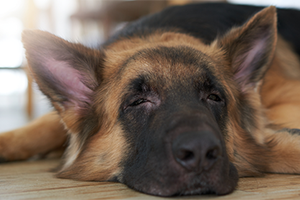
A small amount of dried discharge in the corner of your dog’s eyes after they’ve been sleeping is also normal, as long as there are no other signs of infection or irritation.
Signs that your dog’s eyes may be infected or irritated include:
- Excessive discharge
- Signs of pain
- Rubbing eyes
- Cloudiness
- Swelling
- Redness
If your dog has any of these signs, contact your vet for advice. If you have dog insurance with Petplan, you can also use our Pet Expert Chat feature to share any concerns with a professional, 24/7. To get started, log in to your My Petplan account.
If your dog has runny eyes, pay attention to the colour and type of discharge, as this can sometimes provide a useful clue about what’s causing it and whether you should be worried.
Clear discharge
Clear, watery discharge is usually linked to normal tear production. It can also be a sign of allergies, irritation, or a reaction to wind or dust. Clear discharge can also be due to corneal irritation or other eye conditions, including glaucoma, especially if it only affects one eye.
Red stains around the eyes
Red or brown stains running from the corner of the eye down the face are caused by pigments in tears, which can stain their fur. They’re often particularly noticeable in dogs with white or light-coloured coats.
If you’re worried about your dog’s tear stains, speak to your vet for advice. They may suggest regularly cleaning the area with a damp cloth or using a specialised product.
Yellow or green discharge
Yellow or green discharge can be the sign of an eye infection or other inflammation. You may notice other signs of irritation as well, including redness, swelling and signs of pain. If you notice this kind of discharge, speak to your vet for advice as soon as possible.
Crusty or thick discharge
A small amount of crusty or gloopy discharge in the corner of your dog’s eyes when they wake up isn’t usually a cause for concern. Just like in our eyes, this discharge is made up of tears, dust and dead skin cells. You can wipe it away with a damp piece of kitchen towel or a soft cloth.
If there’s a lot of discharge and you notice it recurring throughout the day, it could be a sign of an underlying issue, such as dry eye. In this case, speak to your vet for advice.
Common causes of excess dog eye discharge
Weepy eyes and excess discharge can be caused by many different things, ranging from minor issues that will clear up on their own to serious issues that need medical help. Some of the most common causes include:
- Wind exposure
- Foreign body in the eye
- Eye infections
- Cherry eye
- Eye injuries
- Eyelash issues
- Dry eye
- Conjunctivitis
- Corneal ulcers
- Lumps in or around the eyes
- Exposure keratitis
- Tear duct issues
- Breed-related issues
Certain breeds are more prone to eye issues. Brachycephalic or flat-faced breeds such as Pugs, Boxers and Pekingese often have weepy eyes because their eyes are more exposed than breeds with a longer muzzle.
Some breeds like Beagles are more prone to cherry eye, while others with facial folds can be susceptible to eyelid issues.
When are weepy eyes the sign of a dog eye infection?
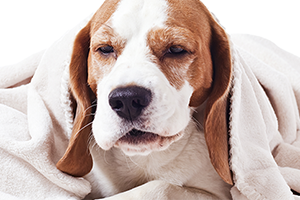
If your dog’s weepy eyes are combined with redness, irritation and a yellow or green discharge, this can be a sign of infection or inflammation. A quick trip to the vet is important for diagnosing the problem, as injuries, allergies and other eye problems can cause similar symptoms.
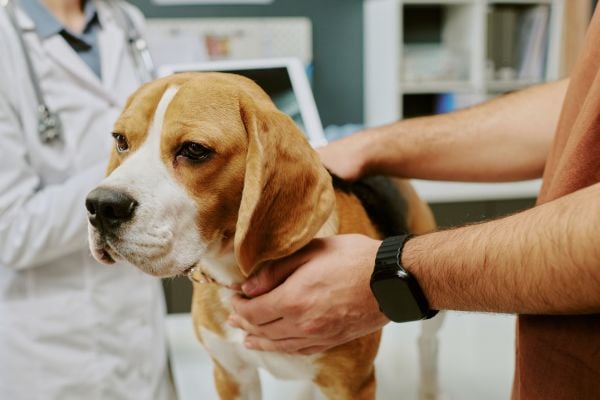
Your vet will examine your dog’s eyes and may carry out tests to determine the cause. Depending on the results, your dog might need treatment, which could include prescription eye drops or ointment.
Managing conjunctivitis and dog conjunctivitis treatment
Conjunctivitis is an inflammation of the conjunctiva, the membrane that lines the eyelid and eyeball. It’s also sometimes called pink eye. It can have a range of causes, including allergies, bacterial or viral infections, injuries and eye diseases.
Treatment depends on the cause and may include prescription eye drops, lubricants or other medications recommended by your vet. Most dogs make a full recovery, but early treatment is important.
Dog eye discharge: Home remedy tips
If your dog has weepy eyes or any discharge, it’s important to speak to your vet rather than try to treat the problem yourself. Once they’ve assessed your dog, they may recommend simple remedies such as gently cleaning your dog’s eyes – but this will depend on the cause.
It’s important to follow your vet’s instructions carefully and complete the full course of any prescribed medication, even if your dog’s eyes seem to improve.
Dog weepy eyes: FAQs
Weepy eyes can be caused by many things, including irritation, allergies, infections or a foreign body in your dog’s eye. It’s always best to ask your vet for advice, especially if the weeping is combined with redness, swelling or signs of pain.
Signs of an eye infection can include swelling, redness, rubbing and squinting. Infections also often cause a thick yellow or green discharge. These symptoms can occur with other eye issues, so it’s important to book an examination with your vet, who can diagnose the problem and provide tailored care.
Eye discharge in dogs can be caused by a wide range of things, including dust, allergies, foreign bodies and eye infections. Discharge can also occur with serious eye problems like corneal ulcers and glaucoma. A small amount of clear discharge is normal, but if you’re unsure, it’s always best to speak to your vet for advice.
Found this article useful? Want to see similar content and engage with like-minded dog owners? Follow us on Petplan's Facebook page.
Related articles





Follow us

Petplan is a trading name of Pet Plan Limited (Registered in England and Wales with company number 1282939) and Allianz Insurance plc (Registered in England and Wales with company number 84638).
Pet Plan Limited is authorised and regulated by the Financial Conduct Authority. Financial Services reference number 311969. Allianz Insurance plc is authorised by the Prudential Regulation Authority and regulated by the Financial Conduct Authority and the Prudential Regulation Authority, reference number 121849. Registered address: 15 Bishopsgate, London, EC2N 3AR.