Dogs are keen observers and pick up on even the smallest details in our routines – what clothes we put on, the bag we pick up and which cupboard we open – and learn what these actions are associated with.
This allows them to recognise patterns and use them to anticipate what may happen next. For example, putting on gym clothes might signal that you’re going out without them. Closing your laptop at the end of the working day may be a cue they’re going to get some attention. This makes a consistent routine very important to a dog’s sense of time.
Routine gives dogs a sense of predictability. Regular mealtimes, walks and bedtime patterns help them learn what to expect as each day unfolds, which can help them feel secure. Being consistent with your dog is also a great way to build trust and strengthen the bond between you.
Conversely, inconsistency and a lack of routine can be a source of stress, especially for older dogs. Where possible, introduce changes to your dog’s routine gradually.
When changes are unavoidable – perhaps your working hours shift, you move home, or a medical issue requires a different feeding regime – maintaining familiar cues can help. For instance, if you always tap the fork against their bowl before serving their meal, your dog may associate this sound with being fed, regardless of the exact time of day.
Of course, every dog is different. A dog’s ability to anticipate events can depend on factors such as their age, breed and personality, as well as their previous experiences and, importantly, how predictable and regular your household routine is.
Everyday behaviours, such as those listed below, demonstrate a dog’s understanding of routine.
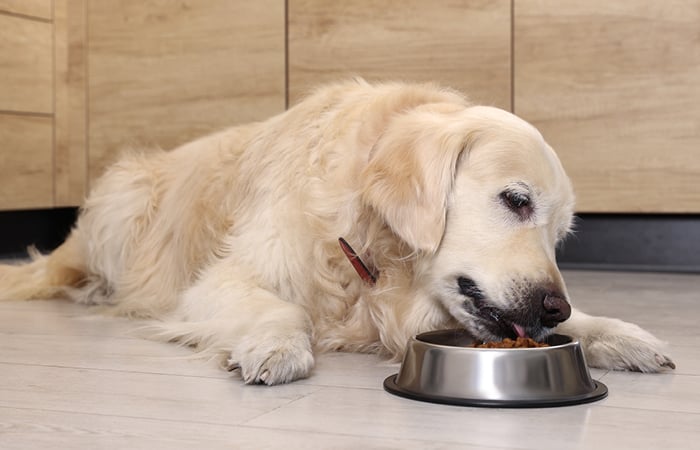
- Waiting near their food bowl around mealtimes
- Bringing you a toy at a certain point in the day
- Moving towards the door when the walk cues appear
- Going to their usual resting spot at bedtime
- Recognising when someone is about to return home