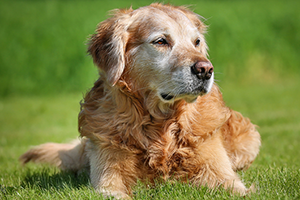

Dementia in dogs: what you should know

Brian Faulkner - Article expert
Dr Brian Faulkner
Veterinary Surgeon
RCVS Registered
Can dogs develop dementia – and what can you expect if they do? Here’s what to know about the signs of dementia in dogs and how to manage the condition.

Quick Links

Like humans, dogs can experience changes to their brain function, memory and awareness as they age. Dementia in dogs, otherwise known as cognitive dysfunction syndrome (CDS), can be similar in its effects, too. 

Although it’s not clear exactly what triggers dementia in dogs, we know that it’s linked to a breakdown of neurons (nerve cells) in the brain that carry messages around the brain and body. The result is that typical behaviour and responses become scrambled and erratic. 

Here, we look at how to spot the signs of dementia in dogs, how to manage the condition, and what you can do to provide extra care for a pet experiencing CDS.

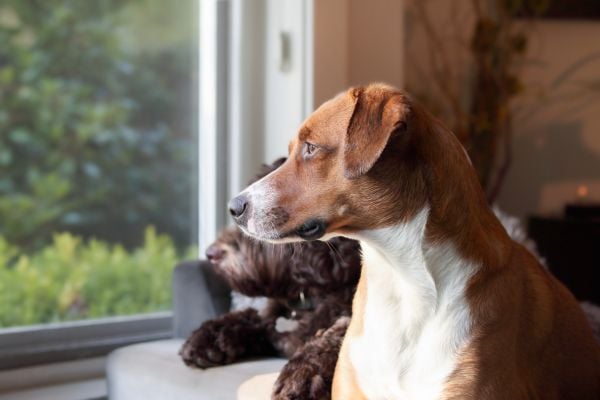
CDS in dogs can develop as young as eight or nine but is more common in later life. Most cases go undiagnosed until the symptoms become more pronounced. Research suggests that around a quarter of dogs aged 11 to 12 may show at least one sign of the condition, and two-thirds of dogs aged 15 to 16. 

Many dogs experience behaviour changes in later life, and the early symptoms of dementia in dogs are not always obvious. Note, however, that other conditions can also cause some of these signs and symptoms, although a combination of the signs listed below is highly suggestive of dementia.    

Using the acronym DISHA can help you to remember and recognise the signs of dementia in dogs, which we explain below

One of the main first signs of dementia in dogs is disorientation and confusion. Your dog may seem lost in places they know well, or stare blankly into space. They may become forgetful about regular routines, activities or commands

Dogs with CDS may go through social changes. You may notice your dog interacts less with family members and other dogs. They may seem more withdrawn, or even depressed

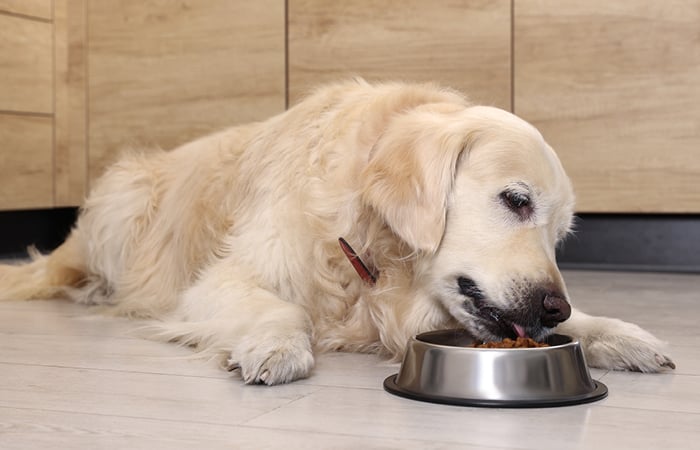
A dog with CDS may go off their food - although this can obviously be a sign of other health issues. Alternatively, they may seem to forget when they've eaten and keep going back to their bowl, expecting to be fed.

Forgetting previous house training and toileting in inappropriate places can be a symptom of dementia in dogs. In fact, a dog with CDS might relieve themselves indoors immediately after returning from a walk.

Changes in activity are common too – your dog might be unwilling to go on walks during the day but pace through the night.  

They might also show anxiety if the activity involves a new person or place even if they were once confident. Look out for increased separation anxiety, or howling and barking for no apparent reason.  

A dog with CDS may experience appetite loss or increase. Alternatively, if after feeding they keep returning to their bowl and looking expectant, it might be that they’ve forgotten they’ve eaten. 

CDS in dogs can be difficult to spot and the signs easy to misread – many overlap with other common health conditions that dogs experience in later life.  

For example, it’s worth noting that a dog’s sleep cycle changes throughout life; arthritis can make dogs more reluctant to move; disorientation may be due to failing eyesight or hearing loss, and toileting problems could also signal a urinary infection or age-related incontinence.  

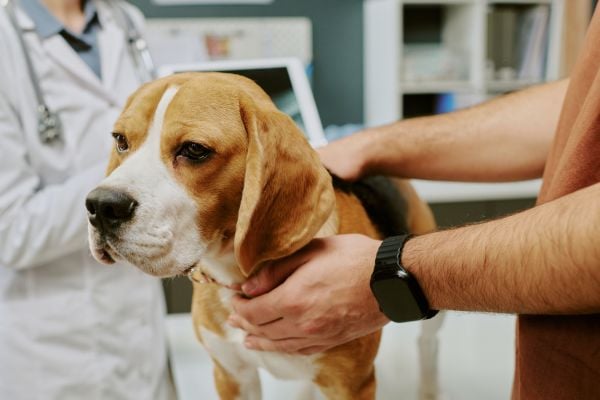
As always, if you’re worried about any symptoms or behaviour changes in your dog, always talk to your vet. 

There is no cure for CDS, but you can slow its progress.  

Remaining vigilant to the early signs of dementia in dogs allows for early intervention. 

Treating CDS in dogs begins with a diagnosis from your vet – often a process of elimination. As such, it’s helpful to take notes about your dog’s recent behaviour patterns to your appointment.  

The vet may carry out diagnostic tests to rule out other health problems and then advise on a management plan that helps your dog to get the best out of their days. 

  • If appropriate, your vet may prescribe the drug selegiline hydrochloride, which can improve some of the troubling symptoms of dementia in dogs by increasing dopamine levels in the brain. 
  •  
  • There are also supplements or formulated diets available that are designed to help maintain healthy brain function in ageing dogs – these typically include omega oils to improve antioxidant levels. 
  • Additionally, research shows that acupuncture is an effective complementary treatment for cognitive dysfunction syndrome in dogs, improving cognitive impairment and reducing symptoms. 
  •  
  • Rehab procedures such as hydrotherapy or general swimming will help keep a senior dog active – important for boosting blood flow to the brain and easing anxiety and disorientation. 
  •  

Seeing signs of confusion or distress in an ageing pet can be heartbreaking – but there are several ways to help keep a dog with CDS as calm and contented as possible:

  • Try not to carry out any major rearrangements around the house, unless an object has become a hazard for your dog. Keeping everything in its usual spot will help them feel confident in their surroundings.  
  • Try Puzzle games, regular exercise and fun training activities will keep those neurons firing. As long as it doesn’t distress your dog, ensure they get plenty of social interaction with their favourite human and other animals. 
  • Wherever possible, keep walking an older dog to maintain their overall health – but if they’re prone to becoming disorientated, keep them close by or on a long lead.  
  •  
  • This is also a sensible precaution in case your dog becomes confused or fearful around other dogs and gets into confrontations. 
  • Dogs with dementia often have disrupted sleep. They might pace and howl at night because they feel frightened and vulnerable.  
  •  
  • Night lights, non-slip rugs, pheromone diffusers and other products can help calm and improve a dog’s nighttime behaviour. 
  • Remember, your dog is doing the best they can; they can’t help their toilet mishaps or general confusion. Managing dementia in dogs requires patience, and your support will help them enjoy a healthy and comfortable old age. 
  • Caring for a dog with cognitive dysfunction syndrome is not without emotional challenges. But with the right support, many dogs continue to enjoy a good quality of life for some time after diagnosis. The key is catching the early signs of dementia in dogs and acting quickly. 
  •  
  • If you’re unsure whether what you’re seeing is dementia or something else, always speak to your vet. And if you have dog insurance with Petplan, you can access our Pet Expert Chat via your Petplan account and speak directly with experienced professionals about any concerns you have as your dog ages. It’s just one of the ways Petplan is here to support you and your dog throughout their life. 

Dementia itself isn’t painful physically. However, dogs can find the disorientation and confusion that comes with CDS distressing. 

CDS does not cause seizures. A seizure is a burst of electrical activity in the brain – if your dog begins experiencing them in later life without any prior history, it’s likely due to another underlying condition.  


Late-onset seizures tend to be caused by brain tumours or other neurological diseases, liver or kidney disease, exposure to toxins, or a reaction to medication.  


No – dementia typically worsens slowly over months or years. If your dog appears to suddenly develop similar symptoms, it's probably due to another underlying condition. Some conditions that can mimic dementia in dogs include brain tumours, strokes, pain (which can result in uncharacteristic aggression), and the effects of ingesting toxins.  

The final stages of dementia in dogs are characterised by a significant worsening of the symptoms described above. Changes will become more noticeable and may include severe and persistent disorientation and restlessness, as well as a loss of interest in playing, walking or eating. 

When a dog reaches end stage dementia, their quality of life may become significantly reduced, with a high dependency on support. At this point, it may be time to discuss end-of-life options with your vet. 

CDS affects all breeds. Some research suggests it may be more common in smaller dogs – but this could be because smaller breeds often live longer than larger ones, making them more likely to reach an advanced age at which the condition develops. 

If you’re concerned your dog may be showing early signs of cognitive dysfunction, it can help to keep a written log before your vet visit – noting which DISHA behaviours you’ve observed, how frequently and when they started. This informal CDS in dogs checklist gives your vet a clearer picture and helps rule out other conditions.

Found this article useful? Want to see similar content and engage with like-minded dog owners? Follow us on Petplan’s Facebook page.
Brian Faulkner - Article expert
FRCVS Petplan Vet Expert

Brian has been a vet for over 30 years. He is a past-President of the UK Society of Practising Veterinary Surgeons and an Associate Professor at Nottingham Veterinary School. He has worked in more than 250 veterinary practices as a clinician, as well as hundreds more as a consultant, and confidence coach.

Find out more about Brian

Follow us

Petplan is a trading name of Pet Plan Limited (Registered in England and Wales with company number 1282939) and Allianz Insurance plc (Registered in England and Wales with company number 84638). 

Pet Plan Limited is authorised and regulated by the Financial Conduct Authority. Financial Services Register No. 311969. Allianz Insurance plc is authorised by the Prudential Regulation Authority and regulated by the Financial Conduct Authority and the Prudential Regulation Authority, reference number 121849. Registered address for both companies: 15 Bishopsgate, London, EC2N 3AR. Pet Plan Limited is a subsidiary of Allianz Insurance plc.