Dog blood donation: what is it and can your pet help?

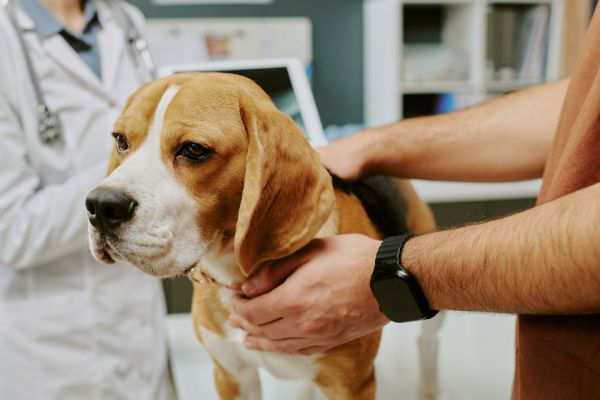
beagle at the vets
Just like humans, dogs sometimes need blood transfusions, and veterinary teams rely on volunteer dog blood donations to provide this life-saving care. Find out all about the process here. 

Quick Links

You’ve probably heard about blood donations for people, but did you know that dogs can donate blood too? 

Dog blood donations help vets provide life-saving treatment for other pets. Here’s everything you need to know about the process, including which dogs can donate and how your dog could become a donor and save the lives of other pets. 

Blood donation for dogs is a safe veterinary procedure where a small amount of blood is collected from healthy dogs.  

The donated blood is used to help other dogs – for example, during surgery, after an accident, or when being treated for medical conditions such as anaemia, some autoimmune diseases and certain blood clotting disorders. 

Dogs can donate blood through the Pet Blood Bank UK or the Royal Veterinary College. To be eligible, dogs need to meet the following criteria: 


  • Over 25kg 
  • Fit and healthy  
  • Aged 1-8 years  
  • Not on any medication  
  • Have a good temperament  
  • Be comfortable and relaxed with people 
  • Never had a blood transfusion themselves  

Depending on where you donate, there may be other criteria. If you’re interested in registering your dog, check with the organisation beforehand.  

Bear in mind that not all dogs meeting the age and weight requirements will be eligible. Some dog breeds are excluded, including English Bulldogs, Chow Chows and breeds registered under the Dangerous Dogs Act.  

To donate blood, dogs must weigh more than 25kg. This helps ensure they can donate without their health being affected.  

This unfortunately means that many small and medium-sized breeds, such as Yorkshire Terriers, Cavalier King Charles Spaniels and Beagles, aren’t eligible. 

The Pet Blood Bank organises donation sessions across the UK. Donations are processed at the Pet Blood Bank centre in Loughborough and distributed to vets across the UK. 

If there isn’t a session near you, consider registering your dog anyway, as new sessions may be added if there’s enough interest.   

The Royal Veterinary College also has a blood donor programme, with donations being collected and used at the Queen Mother Hospital for Animals in Hertfordshire.  

The Pet Blood Bank UK and the Royal Veterinary College run regular donation sessions. Each appointment takes around 45 minutes, but the donation process usually only lasts five to 10 minutes. 

Once you arrive at a blood donation session, here’s what typically happens: 

1. Your dog will have a health check, including a physical exam, and the team will review your dog’s health history (remember to bring any relevant records). 

2. The team will clip a small area of fur on your dog’s neck and/or leg, and a local anaesthetic cream will be applied to the area. 

3. Your dog will lie on their side on the examination table as around 450ml of blood is collected – this part usually lasts up to 10 minutes. 

4. After the session, your dog will be rewarded with treats and plenty of fuss! If your dog is on a special or prescription diet, remember to bring some of their food or treats, so they can still get plenty of positive reinforcement. 

Depending on where you donate, you may also get a goody bag, free annual blood tests, a bandana or other benefits.  

Most dogs don’t experience any side effects, but it’s recommended that they take it easy for the rest of the day. If your dog has donated blood and you notice any unusual symptoms or side effects, contact the donation team or your vet for advice.  

If you have dog insurance with Petplan, you can also use our free Pet Expert Chat feature to speak with someone about your concerns, any time of the day or night. To get started, just log in to your My Petplan account. 

Dogs can donate every two months, although most donation centres will only contact you when supplies of your dog’s blood type are running low. As a result, your dog may not need to donate this often.    

No. Dogs have several different blood types, but the most desirable blood type for transfusions is the DEA 1 type. Dogs are either:  


  • DEA 1 positive 
  • DEA 1 negative  

DEA 1 positive blood should only be given to dogs with the same blood type. DEA 1 negative blood, however, can be used for dogs with either DEA 1 type, making it especially valuable. 

In the UK, only around 30% of donor dogs have DEA 1 negative blood, so there’s high demand for this blood type. 

Certain breeds have a higher chance of being DEA 1 negative, including: 


Dog blood donations help vets provide life-saving treatment to dogs across the UK. If your dog meets the eligibility criteria, registering them as a donor could help save the life of another dog. 

Yes. For healthy dogs that meet the donation criteria, donating blood is very safe. Donor dogs undergo a health check before each session and are carefully monitored throughout the procedure. 

No, cats require blood from another cat with the same blood type. That means dogs can’t donate blood to cats. The Royal Veterinary College also runs a cat blood donor programme, and the Pet Blood Bank UK will soon run donation sessions for cats as well.  

No, human blood isn’t compatible and can’t be used for dog blood transfusions.  

Found this article useful? Want to see similar content and engage with like-minded dog owners? Follow us on Petplan’s Facebook page.
Follow us

Petplan is a trading name of Pet Plan Limited (Registered in England and Wales with company number 1282939) and Allianz Insurance plc (Registered in England and Wales with company number 84638). 

Pet Plan Limited is authorised and regulated by the Financial Conduct Authority. Financial Services Register No. 311969. Allianz Insurance plc is authorised by the Prudential Regulation Authority and regulated by the Financial Conduct Authority and the Prudential Regulation Authority, reference number 121849. Registered address for both companies: 15 Bishopsgate, London, EC2N 3AR. Pet Plan Limited is a subsidiary of Allianz Insurance plc.