Arthritis in rabbits: signs, causes and treatments

Brian Faulkner - Article expert
Dr Brian Faulkner
Veterinary Surgeon
RCVS Registered
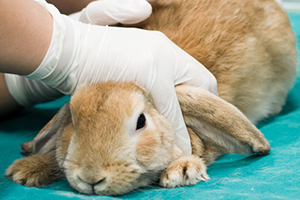
white rabbit being massaged
From spotting the early signs to understanding treatment options and making changes at home, here's what you need to know about arthritis in rabbits.

Quick Links

When we think of arthritis, we tend to think of a condition that affects people, causing pain, stiffness and reduced mobility, particularly as we get older.

But did you know rabbits can get arthritis too? Studies suggest that 20–40% of rabbits show signs of arthritis, with older rabbits and larger breeds most likely to be affected.

The word ‘arthritis’ comes from the ancient Greek arthron, meaning ‘joint’. The suffix ‘itis’ means inflammation, so arthritis literally means inflammation of a joint.

Osteoarthritis is the most common form in humans and is also common in rabbits, particularly as they get older. In 2025, Petplan paid over £97,000 in claims for arthritis in rabbits – making it one of the top five conditions claimed for.

In osteoarthritis, the cartilage – the smooth tissue that cushions and protects the ends of bones within a joint – gradually degenerates and loses its ability to absorb shock.

As the cartilage deteriorates or is lost, the joint can become less stable and changes can occur in the underlying bone, including the development of bony spurs, called osteophytes. The joint lining and surrounding tissues may also become inflamed. Together, these changes can cause your rabbit pain and stiffness and affect their mobility. 

Osteoarthritis more commonly affects rabbits’ back legs (hindlimbs) than their front legs (forelimbs), with the hips and knees most often affected.

You may have heard osteoarthritis described as ‘wear and tear’, but it’s not quite that simple. Healthy cartilage is designed to cope with all the hopping, jumping or running a rabbit does, so it isn’t simply using their joints over time that causes osteoarthritis.

There is no single cause of arthritis in rabbits. Age, body weight, previous injury and factors such as genetics and lifestyle may all play a role.

Interestingly, a study found a much lower prevalence of osteoarthritis in wild rabbits than has been reported in domestic rabbits. Of 80 wild rabbits whose joints were assessed, just four showed signs of osteoarthritis.

This may be because in the wild, rabbits get plenty of exercise and have a natural diet, but it could also be because pet rabbits live significantly longer than their wild cousins.

Sometimes there’s no obvious reason why one bunny develops the condition and another doesn't, but there are some common risk factors. 

Age is a key risk factor. While wild rabbits typically survive an average of three years, domestic rabbits can live for eight to 12 years, though lifespan varies between breeds.

Because osteoarthritis becomes more common with age, symptoms are more likely to appear as your rabbit gets older. One study found that 70% of rabbits over the age of nine had clinical signs of osteoarthritis, compared with just 12.5% of those aged one to three.

Another type of degenerative joint disease, often included under the umbrella term arthritis, is vertebral spondylosis, which affects the spine and is also more common in older rabbits. In this condition, bony spurs form along the vertebrae, making movement difficult or painful.

Having rabbit insurance in place ahead of time can offer peace of mind as your rabbit grows older. Petplan paid out over £514 million in claims in 2025, so you know you’re in safe hands, should you need our support.

Along with age, research suggests that a rabbit’s body weight may be linked to their risk of osteoarthritis. Breed may also play a part. For example, dwarf breeds have been found to be less susceptible to osteoarthritis, while giant breeds appear to be at greater risk.

Given the established link between obesity and osteoarthritis in dogs and humans, it's important to keep your rabbits at a healthy weight throughout their life. You can monitor their weight and condition by taking a regular body condition score.

Daily exercise plays an important role in weight management, too. Rabbits need to have the space and opportunity to be active for at least three hours a day – but more is better.

In the wild, a rabbit can range across an area equivalent to 30 tennis courts while foraging for food. So for domestic rabbits, their living space should measure a minimum of two metres by three metres, with one metre of height to allow for jumping.

A previous joint injury can also increase the risk of arthritis developing. If you think your rabbit may have injured a joint, take them to the vet for a check-up.

Rabbits are very good at hiding pain, so it isn’t always obvious when something is wrong. In the wild, showing weakness can make a rabbit vulnerable to predators – and although your pet rabbits have a safe home, they retain this instinct. Regular home health checks can help you spot anything out of the ordinary early.

A good time to check for signs of arthritis in a rabbit is when they first get up after resting. Ask yourself: 

  • Do their first few steps appear stiff? Look out for lopsidedness, unsteadiness or limping 
  • Do they avoid or struggle to jump, climb or get into their litter tray?  
  • Do they have trouble reaching their food or water?  
  • Are they reluctant to hop or moving in an unusual way? Rabbits’ back legs are used for hopping, jumping and rearing up, so problems here will have a noticeable impact on their mobility

Any signs of limited or uneven movement or pain should be checked out by your vet. If you have  rabbit insurance with Petplan, you can also use our free Pet Expert Chat service to get professional advice. Simply log into your My Petplan account to get started.

Subtle changes in the way your rabbit behaves are also worth paying attention to.

Has your rabbit’s grooming regime changed? Painful or restricted mobility may make grooming difficult, resulting in matted or unclean fur. Do they seem less comfortable or less active in cold or damp weather?

Keep an eye on their toilet habits, too. Has their rear end become soiled or urine-stained? Pain or restricted mobility can make it difficult for rabbits to reach their caecotrophs (also known as caecals), the soft droppings they normally eat directly from their bottom. This can leave soft, sticky material around the rear and increase the risk of flystrike.

Similarly, arthritis can make it difficult for some rabbits to adopt the correct position when weeing, meaning they don’t always fully empty their bladders.

Other clues that your rabbit may be in pain can include:

  • A reduced appetite
  • Being less active
  • Showing aggression

Signs that your rabbit is experiencing discomfort can come from their body language. It's another reason to observe your bunnies closely and regularly.

Signs of discomfort can include crouching, hiding or excessive grooming. They may also have their ears pressed back and their eyes narrowed or closed.

If you're concerned about your rabbit's mobility or joint health, make an appointment with your vet. They will want to know what you've noticed and how long the changes have been going on.

They may also ask whether your rabbit could have sustained an injury – for example, through a fall or fight. If possible, they will also want to watch your rabbit moving around.

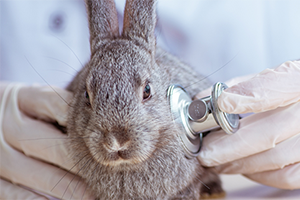
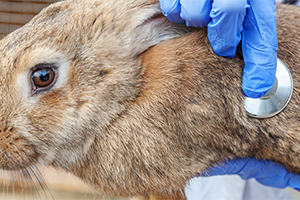
They’ll gently examine your rabbit’s joints, looking for signs of discomfort, swelling, restricted movement or muscle loss. They will also check for other conditions that could cause similar problems, such as dental disease or foot conditions such as pododermatitis, sometimes called ‘sore hocks’.

While blood tests can’t diagnose arthritis in rabbits, your vet may want to do some to check their general health or rule out other conditions that could be causing similar signs.

They may also recommend imaging, such as X-ray or CT scans, to get a more detailed picture of what’s going on in specific joints. Because rabbits need to remain very still and may need to be positioned carefully, sedation or an anaesthetic may be needed.

Your vet will weigh up the benefits of imaging against any risks, particularly if your rabbit is older. Imaging isn’t always necessary; arthritis can also be diagnosed from clinical signs and examination.


While there is no cure for arthritis, the condition can be successfully managed to keep your rabbit active, eating well and enjoying a good quality of life. 

Your vet may prescribe pain relief, often in the form of non-steroidal anti-inflammatories (NSAIDs) such as meloxicam. Some rabbits with arthritis stay on pain relief medication for their whole lives.

You could ask your vet whether physiotherapy might be appropriate for your rabbit. It’s understandable to want to give your rabbit a massage at home, but this should only be carried out under veterinary guidance, as manipulating a painful joint incorrectly could cause discomfort or injury. 

The good news is there are plenty of steps you can take to help your rabbit stay happy and comfortable.

Your rabbits’ living space – and any other areas they use – needs a little more thought when arthritis comes into play. Raised hutches, steep-sided litter trays, hard resting surfaces and slippery floors can all be difficult for an arthritic rabbit. Make sure they have soft, comfortable bedding and non-slip surfaces to move around on.

In colder weather, make sure their living quarters are warm, dry and well protected from the elements. You might want to provide extra bedding or a pet-safe heatpad. If your rabbits live outside, consider bringing them indoors during cold winters.

If your rabbits use a litter tray, make sure it’s easy to access, with at least one low side. The Rabbit Welfare Association & Fund suggests repurposing a gardening seed tray – but if you do cut the sides of any tray, make sure no sharp or jagged edges are left exposed.

You can also provide ramps to give your rabbit access to different areas of their living space without requiring them to jump or climb.

Don’t assume that the best thing for painful joints is complete rest. Keeping your rabbit active is important for maintaining mobility, managing weight and providing mental stimulation.

If your rabbit is overweight, discuss dietary changes with your vet. Losing excess weight can reduce the load placed on painful joints.

Arthritis may be a chronic condition, but it doesn't have to mean the end of an active or enjoyable life. With good pain management and a few changes to their environment, many rabbits with arthritis continue to enjoy a good quality of life for many years.

Found this article useful? Want to see similar content and engage with like-minded rabbit owners? Follow us on Petplan’s Facebook page.

There is limited evidence that natural remedies are effective in dealing with arthritis. Turmeric and curcumin have been investigated for their potential anti-inflammatory effects, but there isn't enough evidence to recommend them as a treatment for arthritis in rabbits. Speak to your vet before giving your rabbit any supplements or complementary treatments.

Some owners report that their rabbit seems stiffer or less comfortable in cold or damp weather, although there is limited evidence that these conditions directly worsen arthritis.

Studies in people with osteoarthritis suggest that changes in temperature, humidity and atmospheric pressure may affect joint pain, but the evidence is mixed. It may be down to the fact that we tend to move less in cold weather, makings already-stiff joints feel stiffer. Just make sure your rabbits have a warm, dry and comfortable place to rest and move around. 

You can’t completely prevent arthritis from developing, but you can help reduce the risk by making sure your rabbits maintain a healthy weight, get daily exercise and have enough space to stretch, hop and move around naturally.

Maintain regular health checks, and if you notice any signs of restricted mobility, discomfort or injury, get your bunny checked promptly by a vet.

Brian Faulkner - Article expert
FRCVS Petplan Vet Expert

Brian has been a vet for over 30 years. He is a past-President of the UK Society of Practising Veterinary Surgeons and an Associate Professor at Nottingham Veterinary School. He has worked in more than 250 veterinary practices as a clinician, as well as hundreds more as a consultant, and confidence coach.

Find out more about Brian

Follow us

Petplan is a trading name of Pet Plan Limited (Registered in England and Wales with company number 1282939) and Allianz Insurance plc (Registered in England and Wales with company number 84638). 

Pet Plan Limited is authorised and regulated by the Financial Conduct Authority. Financial Services reference number 311969. Allianz Insurance plc is authorised by the Prudential Regulation Authority and regulated by the Financial Conduct Authority and the Prudential Regulation Authority, reference number 121849. Registered address: 15 Bishopsgate, London, EC2N 3AR.