Do cats have a sense of time?

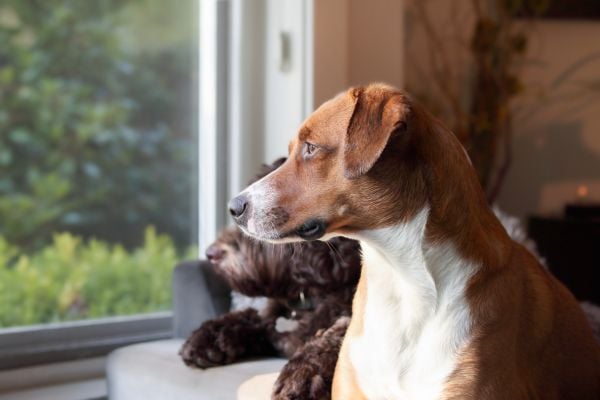
cat looking out of window
From recognising dinnertime to anticipating your daily movements, cats can seem surprisingly aware of the hours passing. Here’s how they perceive time – and what helps them work out what’s happening next.

Quick Links

If you’ve ever been greeted by an indignant meow when you’re a few minutes late giving your cat their breakfast, or they’re always waiting by the door when you get home from work, you might assume – quite rightly – that cats have a sense of time. 

But do cats have a good sense of time, and how do they actually perceive it passing? Here’s everything you need to know. 

Yes, and research suggests cats can even recognise when different amounts of time have passed. In a study from 1976, cats were trained to distinguish between time intervals, including some as short as five seconds. This helped to demonstrate that they can tell the difference between shorter and longer periods of time. 

Interestingly, both humans and cats use the same part of the brain – the prefrontal cortex – to make sense of time, too. However, because theirs is smaller and not as developed as a human’s, they don’t perceive time quite like we do.  

Instead, cats use other tactics to figure out how much time has passed – for instance, by how much their human’s scent has faded since they’ve been away

It may sound obvious, but cats can’t tell the time in the traditional sense – they can’t read a clock, and they don’t understand the concept of it being eight in the morning or nine at night. 

However, they still have a good idea of what time it is by using a few different methods.

Cats have an internal body clock, just like humans. It helps regulate their wake-sleep cycle and gives them a sense of time passing. As they’re crepuscular, they’re most active at dawn and dusk, and this influences when they sleep, hunt and play.

They can also use signals such as hunger, thirst and tiredness to work out the time – which could be why they try to wake you up if they feel you’ve slept enough! 

Cats thrive on routine and often form repeatable daily habits. If your cat jumps on your lap at the same time every day, doing so likely helps them keep track of the time of day. 

Cats also take note of our routines and habits, too. If you leave the house or sit at your desk for work at the same time each day, they’ll be aware. Over time, they learn how long their humans are typically away and when they tend to return, which helps them build a sense of what time it is. 

Your cat might also be aware of the times you usually wake up and go to bed, eat your meals, take your shower, or sit down in front of the TV. If you feed your cat when you wake up in the morning and again when returning home, this will also help them get a sense of time each day.  

The more you keep to a routine, the more it helps your cat work out the time.  

Cats use the wider world to help them work out what time of day it is, too. They’ll look at how light or dark it is outside, whether birds are singing, and how many people are around. If a neighbour always walks their dog at the same time every morning, for example, your cat can use this as useful information. 

When the clocks change in spring and autumn, your cat’s schedule might be thrown off – seasonal changes can really affect their routine.

Similarly, if a cat were to change time zones – perhaps if they’re moving house or travelling with their owner – it can disrupt their circadian rhythm. Cats can even experience the effects of jet lag like humans!  

They’ll usually adapt to any changes over the course of a few days, but if you’re worried about how your cat is coping – and you have cat insurance with Petplan – you can use our Pet Expert Chat to speak with someone about your concerns. Just log in to your My Petplan account to get started. 

Cats don’t know exactly how long you’ve been gone, but they can use their own body cues, look at the conditions outside, and consider your usual routine to work out what time it is and when you might be back home. They may also be able to track how long you’ve been gone by how much your scent has faded. 

Some cats can experience separation anxiety when they’re left alone or are away from their humans, and this can show in behaviours such as excessive vocalisation, destructive scratching and loss of appetite.

Found this article useful? Want to see similar content and engage with like-minded dog owners? Follow us on Petplan’s Facebook page.

Last updated: 7 September 2026

Follow us

Petplan is a trading name of Pet Plan Limited (Registered in England and Wales with company number 1282939) and Allianz Insurance plc (Registered in England and Wales with company number 84638). 

Pet Plan Limited is authorised and regulated by the Financial Conduct Authority. Financial Services Register No. 311969. Allianz Insurance plc is authorised by the Prudential Regulation Authority and regulated by the Financial Conduct Authority and the Prudential Regulation Authority, reference number 121849. Registered address for both companies: 15 Bishopsgate, London, EC2N 3AR. Pet Plan Limited is a subsidiary of Allianz Insurance plc.