
Best probiotics for dogs: A guide to supporting your pet’s gut health

Brian Faulkner - Article expert
Dr Brian Faulkner
Veterinary Surgeon
RCVS Registered
Probiotics can play an important role in a dog’s health – not just for gut health, but their overall wellbeing. Discover the different types of probiotics for dogs and when they may be useful.
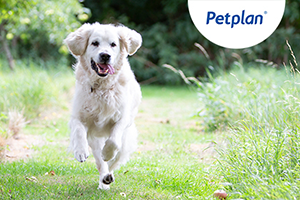
Golden retriever stood on grass

Quick Links

Bacteria play an important role in your dog’s overall health, especially their digestive health. In fact, around 80% of your dog’s immune system is found in their gut, so supporting a healthy digestive system can make a real difference to their wellbeing.

But how can you support your dog’s gut health? One option is probiotics. For dogs, these come in several forms. Knowing the best probiotics for dogs can help you choose the right support for your pet, so here are the key things to know.
The gut microbiome is the vast, unique network of natural microorganisms living in the gastrointestinal tracts of humans and animals. These work together to keep the digestive system healthy by breaking down food, producing nutrients and strengthening the immune system.

You may have heard of ‘good bacteria’. Probiotics for dogs are healthy foods or supplements that contain live, good bacteria or yeasts that add to and support the natural microbiome. 

If your dog’s microbiome is out of balance (i.e. there isn’t enough bacterial variety or there is too much harmful bacteria in the gut), you may notice specific symptoms, which are explored below. However, probiotics help rebalance this.


Probiotics for dogs come in a range of forms, including:

There are also natural probiotics for dogs, which we will explore in more detail later.

The most common reasons for giving probiotics to dogs are often following a bout of antibiotics or when they have gastrointestinal issues.

Symptoms such as diarrhoea or consistent soft stools, bloating, gas and bad breath can often be supported with probiotics. These issues may occur when the gut microbiome is disrupted, creating an imbalance between good and harmful bacteria. 

Probiotics may also be recommended for dogs with chronic digestive problems or conditions such as colitis and leaky gut.

But other less obvious factors can also affect your dog’s gut health, including: 

However, probiotics don’t just have to be used reactively. Giving your dog probiotics as a preventative measure is a good idea if they:

  • Tend to scavenge and eat things they find on walks before you can stop them
  • Have consistently soft stools, even if they seem well
  •  Are prone to stress and/or you know a stressful time is on the horizon (for example, travelling or fireworks season). 

Probiotics for dogs come in a few different forms: powders, pastes, liquids and chews, as well as the option of natural probiotics for dogs. The form you choose depends on what you are treating and your dog’s sensitivities.

Probiotic pastes for dogs are fast-acting, so they’re best suited for treating short-term or sudden digestive upset such as diarrhoea. They’re also good for nervous dogs pre- travelling.

Pastes can be either mixed in with your dog’s food or given directly to your dog to lick.

Powders are better for long-term support, though they can be used to treat temporary conditions. Probiotic powders are sprinkled and mixed in with food or water.

Probiotic powders with fibre are especially helpful if you’re specifically trying to help your dog naturally empty their anal glands.

Digestive probiotic dog chews are a great option for fussy dogs, as they’re disguised as treats. Rather than being used specifically to address acute digestive upset, these chews are best thought of as a longer-term, general supplement. When used as part of a daily routine, they may help dogs prone to gas, yeast overgrowth, skin problems and allergies over time.

You might find that your dog gets on better with a chew or a paste because some powders taste bitter. Plus, pastes stick more easily to the inside of the mouth, so there is less chance of your dog spitting it out. 

Different probiotic products have different strains and potencies and help with different things. Ultimately, your vet will be able to advise on the best probiotic for your dog. Each dog and their microbiome is unique, so you’ll need your vet to ensure it’s the right fit. 

Equally, it will depend on what symptoms your dog is exhibiting, or whether you’re looking for long-term immune support. Here are some useful points to consider.

A lactic acid probiotic with high colony-forming units (CFUs) is usually recommended. 

S. boulardii and soil-based probiotics are naturally resistant to antibiotics, so they can balance and restore gut bacteria (and prevent antibiotic-related stomach issues) during or after antibiotic use.

Soil-based, spore-forming probiotics help to train the immune system to stop reacting to triggers such as dust or pollen. They also reduce gut inflammation and autoimmune responses.

  • Go for probiotic products that specify high CFU counts (6 billion or more) on the label.
  •  Opt for brands with the National Animal Supplement Council Quality Seal. This is a sign of quality, safety and good manufacturing practices.
  • Avoid probiotics that don’t disclose the above details.
  • The fewer non-essential ingredients in a probiotic for dogs – such as sugars, flavour enhancers and other fillers – the better.

Yes, and you can add natural probiotic foods to your dog’s diet. Some examples include:

●     Green tripe: The stomach lining of grazing animals, e.g. cows

●     Kefir: Milk fermented with kefir grains

●     Fermented foods: Chaga, sauerkraut, kombucha and kimchi, for example

However, fermented foods can cause problems for dogs with small intestinal bacterial overgrowth (SIBO) and yeast infections, so always seek advice from your vet first before giving your dog any of these foods.

Every dog and their microbiome are different, so the best probiotic for your dog will depend on their individual needs and symptoms.

As always, we recommend speaking to your vet for tailored advice and before making any dietary adjustments. If you have dog insurance with Petplan, you can also use our Pet Expert Chat to find out more about probiotics and which option might be right for your dog.

Technically, yes – but it isn’t recommended. Instead, choose probiotics specifically formulated for dogs so you can avoid certain ingredients that are safe for humans but toxic for dogs.

Diarrhoea, gas, bloating, bad breath and a gurgling stomach are all signs of digestive issues that could be helped by probiotics. Dogs that have recently taken antibiotics may also benefit from taking probiotics, as antibiotics can affect the bacteria in the gut microbiome. Skin issues may also be associated with an imbalance in gut health.

Most dogs do well with a daily probiotic, especially dogs eating kibble or a high-starch diet. However, dogs with small intestinal bacterial overgrowth (SIBO) should not take probiotics daily. Always speak to your vet first for tailored guidance.

Yoghurt can be a good source of probiotics for humans if they haven’t been heat treated. However, many contain artificial sweeteners that can be toxic for dogs – and many dogs are also lactose intolerant – so avoid giving yogurt to your dog.

Found this article useful? Want to see similar content and engage with like-minded dog owners? Follow us on Petplan's Facebook page.
Follow us

Petplan is a trading name of Pet Plan Limited (Registered in England and Wales with company number 1282939) and Allianz Insurance plc (Registered in England and Wales with company number 84638). 

Pet Plan Limited is authorised and regulated by the Financial Conduct Authority. Financial Services reference number 311969. Allianz Insurance plc is authorised by the Prudential Regulation Authority and regulated by the Financial Conduct Authority and the Prudential Regulation Authority, reference number 121849. Registered address: 15 Bishopsgate, London, EC2N 3AR.