Cruciate ligament injury in dogs: Safe ways to keep your pet active

Brian Faulkner - Article expert
Dr Brian Faulkner
Veterinary Surgeon
RCVS Registered
Damage to the cruciate ligament in dogs is one of the most common knee problems. But with the right care, your dog can still enjoy an active, happy life. Here’s everything you need to know. 
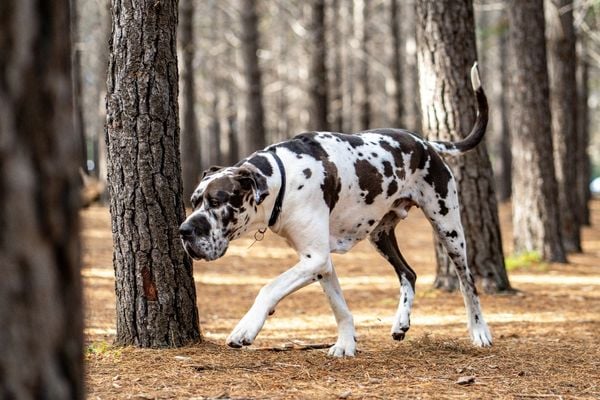
Great dane running in the woods

Quick links

Damage to a dog’s cruciate ligament is one of the most common causes of knee injury. It can be painful and affect your dog’s ability to run and play – but there are things you can do to help them. 

Below, we’ll explore the signs of injury to look out for, the most common treatment methods, and how to support your dog in their recovery.  

The cruciate ligaments are two strong bands of tissue located in the knee joint. They connect the thigh bone to the shin bone and cross over each other inside the joint to help keep it stable. 

In dogs, the ligaments are called the cranial and caudal cruciate ligaments. This differs from humans, who have anterior and posterior cruciate ligaments.  

The most common knee injury in dogs is a tear or rupture of the cranial ligament, but they can also injure their caudal ligament.

The two most common causes of cruciate ligament injuries in dogs are chronic degeneration and trauma. 

Chronic degeneration is when the ligaments slowly become weaker over time, and there are a number of potential risk factors: 

The ligament might stretch or become partially torn over time, and the condition can get worse until it eventually ruptures completely. 

Trauma, meanwhile, is often due to excessive twisting. It can occur when your dog is running and suddenly changes direction, placing body weight on the joint and subjecting the cruciate ligament to rotational and shearing forces. 

Dogs who already have other knee problems, such as a dislocating kneecap, are more likely to be predisposed to getting a cruciate ligament injury. Obesity can also increase the risk.  

Likewise, dogs who injure one cranial ligament are predisposed to injuring the cranial ligament in the other knee. Around one-third of dogs who injure one cruciate ligament will injure the other at some stage. 

Certain breeds, including Labradors, Rottweilers and Newfoundlands, also appear to be at higher risk of cruciate ligament injuries.


A cruciate ligament injury is usually painful and can cause the joint to become unstable. With traumatic injuries, you may find that your dog was running and suddenly stops or yelps and struggles to bear weight on the affected leg. 

Often, dogs will also ‘toe-touch’, which is when they only place their toes on the floor rather than put their full weight on the leg. 

If your dog is limping or you suspect a knee injury, it’s important to contact your vet as soon as you can. If you have dog insurance with Petplan, you can also use our Pet Expert Chat feature to speak with someone about the signs you’ve noticed – just log into your My Petplan account to get started. 

When your vet examines your dog, they will test for a movement called the cranial drawer sign. It’s a movement of the lower leg bone in front of the thigh that appears too loose or unstable. Your vet might need to administer a sedative to perform this test.  

Your vet might also need to perform additional tests, including X-rays, to diagnose a cruciate ligament injury. 

Following diagnosis of a cruciate ligament injury, your dog will likely need to undergo surgery. Virtually all dogs with a cruciate ligament injury will develop osteoarthritis, and surgery can slow the condition’s progress. 

There are a few types of surgery that dogs can have to stabilise the knee joint: 

  • The first uses extracapsular techniques, which involve removing fragments of the ruptured ligament and repairing the menisci – cartilage structures within the knee joint – if needed. The surgeon then makes an artificial ligament that’s placed outside the joint capsule.  
  • The others are tibial plateau levelling osteotomy (TPLO) and tibial tuberosity advancement (TTA). Both of these can be good choices for larger, more athletic dogs. They change the way the joint moves, so it stays stable without the torn ligament. 

Your vet can discuss the different treatment options with you to help you decide which could be the best option for your dog. 

Generally, dogs weighing less than around 15kg might be able to cope without surgery if their pain is managed and their physical activity carefully controlled, ideally by a veterinary rehabilitation specialist. 

Dogs weighing more will usually need surgery sooner, but most dogs, regardless of weight, will eventually need surgery. 

Your vet will have provided you with a rehabilitation and exercise plan immediately post-surgery, and it is important to stick to it to avoid further injury and support recovery. 

Treatment for cruciate ligament injuries can be expensive, but prices vary by vet clinic. Other price factors include the exact treatment needed and the dog’s size, too.  

If you’re concerned about cost, it’s worth speaking to your vet, as they may have payment plans or other options. Having dog insurance in place also helps you to manage the cost of unexpected medical issues. 

Your dog will likely need a period of restricted activity for about six to eight weeks after surgery, though the length can depend on the type of procedure. Obesity can delay full recovery, too.  

After about three months, your dog’s leg may be close to normal, but it can take longer for some pets. Physical therapy can help speed up recovery and minimise the risk of complications. Your vet will be able to offer advice on this.  

Arthritis is still likely to develop as your dog gets older, albeit more slowly if your dog undergoes surgery. Nutritional supplements and weight control can help slow the onset.  

As your dog recovers, you may be wondering which activities they can enjoy without risking a recurrence.  

Here are some ideas that, if managed sensibly, aren’t as likely to put strain on your dog’s joints. However, it’s important to consider whether an activity is appropriate for your pet, so check with your vet if you’re unsure. 

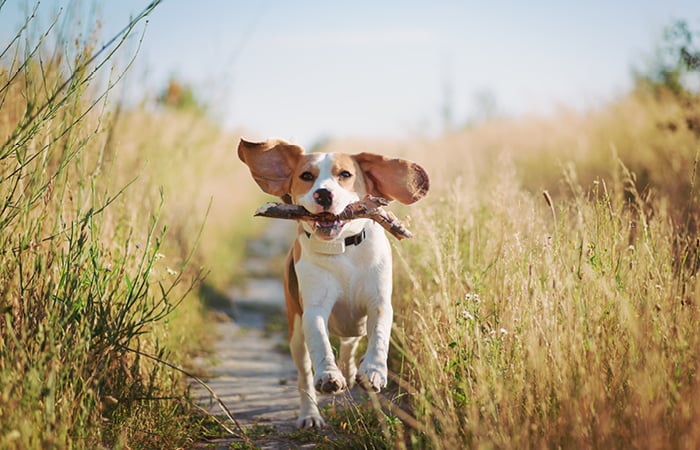
It’s often advised that dogs with cruciate ligament problems avoid ‘chase and fetch’, because the jumping, twisting and turning involved puts a lot of pressure on the knee. 

Retrieving from water can be a good substitute for some dogs, particularly if they enjoy 

swimming – for example, Golden Retrievers, Labradors, Poodles, Cocker Spaniels, Springer Spaniels and Setters.

Choose a suitable location, avoiding rivers or lakes with slippery banks. Alternatively, consider a hydrotherapy pool, as some offer fun swim sessions alongside conventional rehab. 

If your dog likes the water, find a floating toy they are particularly interested in, put it in the pool, and encourage them to fetch it.  

If your dog’s exercise routine needs to be shorter and less intense, hide-and-seek games can be a good way to tire them out mentally instead. 

Gather five or six small boxes and hide a food treat inside one of them. Get your dog to sniff it out and then open the box to reveal the reward. You can then hide another treat to play again. And as your dog becomes better at the game, you can add more boxes or hide them further away.  

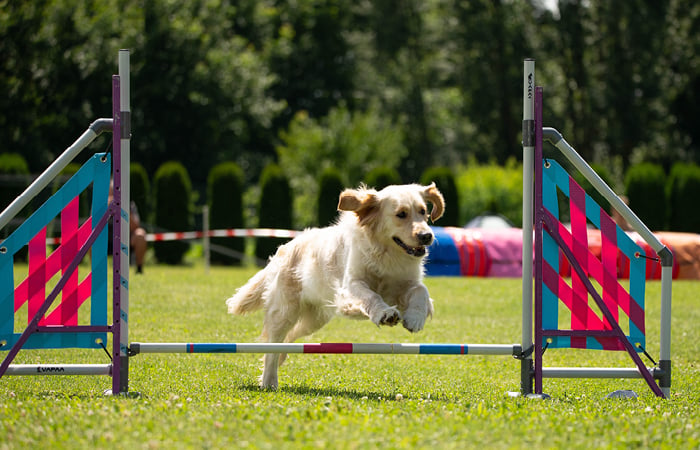
Dogs with a history of cruciate damage shouldn’t be encouraged to jump or climb. Low-impact, flat agility exercises can provide a gentler workout while also engaging their brains. 

  • Weaving. Set poles about a metre apart and guide your dog through them with a treat.
  • Tunnels. Allow your dog to see through the tunnel and place a treat at the entrance, moving it further in as your dog gets more comfortable going through.

If you don’t have space to set up your own, you could also visit one of Petplan's Dog Adventure Parks.

Even dogs with significant joint damage who may never be able to run well can still enjoy a steady, sniff-filled stroll. Tracking and sniffing are great for mental stimulation and allow your dog to rest mid-walk.  

Some dogs enjoy a more structured trail, so you could scatter some of their favourite toys along the route. Or, hide them in the garden and let them track each one down, gradually increasing the distance between finds.  

Two important things you can do to prevent cruciate ligament injuries are keeping your dog at a healthy weight and ensuring they get regular exercise. Overweight dogs are more likely to develop cruciate ligament injuries because of the additional strain weight puts on their joints. 

Similarly, keeping them fit without pushing them will help them maintain a healthy weight and avoid overexertion.

Injuries can always happen, so it’s impossible to completely minimise risk – particularly if your dog enjoys being active. But knowing what a cruciate ligament injury looks like, what surgery entails and how to support your dog can go a long way. 

Dogs can often still walk on a ruptured ligament, but you might see them limp, ‘toe-touch’, or hold the leg up so they don’t put their full weight on the joint. 

In theory, dogs can recover from a cruciate ligament injury without surgery if they’re on strict rest and given therapy, but it’s often an option better suited to lighter dogs, dogs with less severe injuries and senior dogs.  

Yes, if a past surgery failed or your dog develops a secondary complication, they could have it repaired twice. However, because some procedures such as the TPLO change the geometry of the joint, the original ligament is sometimes no longer needed.

Found this article useful? Want to see similar content and engage with like-minded dog owners? Follow us on Petplan's Facebook page.
Brian Faulkner - Article expert
FRCVS Petplan Vet Expert

Brian has been a vet for over 30 years. He is a past-President of the UK Society of Practising Veterinary Surgeons and an Associate Professor at Nottingham Veterinary School. He has worked in more than 250 veterinary practices as a clinician, as well as hundreds more as a consultant, and confidence coach.

Find out more about Brian

Follow us

Petplan is a trading name of Pet Plan Limited (Registered in England and Wales with company number 1282939) and Allianz Insurance plc (Registered in England and Wales with company number 84638). 

Pet Plan Limited is authorised and regulated by the Financial Conduct Authority. Financial Services reference number 311969. Allianz Insurance plc is authorised by the Prudential Regulation Authority and regulated by the Financial Conduct Authority and the Prudential Regulation Authority, reference number 121849. Registered address: 15 Bishopsgate, London, EC2N 3AR.