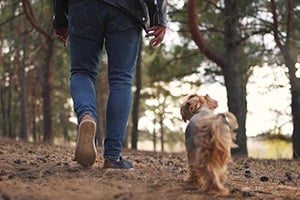
When is it too cold to walk your dog?

Brian Faulkner - Article expert
Dr Brian Faulkner
Veterinary Surgeon
RCVS Registered
Find out when it’s too cold to walk your dog, how the winter weather affects them, and how to keep them safe and comfortable through the colder months.
labradoodle looking out the window in winter

Quick Links

Dogs need exercise all year round to keep them healthy, but sometimes the weather can make you reconsider taking them outside, and you may need to adapt your usual routine.

But how cold is too cold for dogs? There isn’t a single temperature that’s unsafe for every dog, because factors such as their breed, age, size, coat and general health can all affect how they cope with cold weather.

Here’s what to consider before walking your dog in winter, and what to do if it’s safer to stay indoors instead.

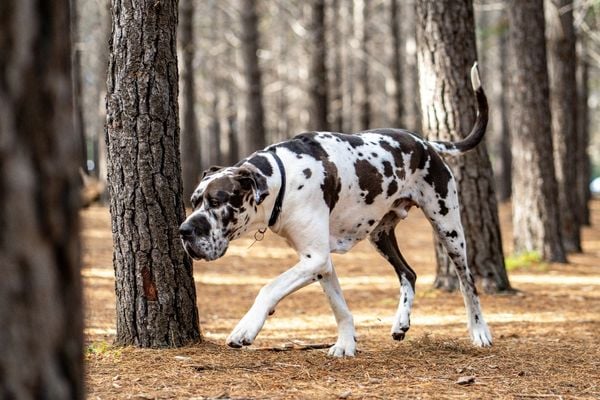
The temperature at which it becomes uncomfortable for your dog varies with the size and breed of your pet – some larger, longer-haired breeds will cope better, for example, than a short-coated small dog.

As a guide, the closer it gets to freezing, the more cautious you should be. A small or more vulnerable dog may begin to feel the cold at around 5°C. As the temperature drops below freezing, most dogs will struggle to keep warm. Temperatures below -4°C can become dangerous, and below -10°C can be life-threatening.

But it’s not only the temperature you need to think about when walking a dog in the snow or cold weather. Wind, rain and ice can all make your dog feel colder than the temperature suggests.

Keep an eye on your dog and the conditions, and be prepared to shorten or end the walk if needed. If walking outside is unsafe, you could switch to indoor games instead, so your dog can still get some exercise. 

Different dogs will have varying levels of tolerance, depending on a few factors. Consider the following when deciding whether your dog should go for a walk:

  • Breed: Smaller breeds and those with short, fine or thin coats can struggle more in the cold than larger breeds and breeds with thicker coats 
  • Size: Small dogs aren’t able to retain heat as well as large dogs 
  • Age: Puppies and senior dogs can be more sensitive to cold temperatures 
  • Health: Dogs with pre-existing health issues may struggle more in the cold 

There’s no one answer, so consider how your individual dog might cope in the cold weather. If you’re unsure, try taking them for a shorter walk to see how they get on. You could also consider giving them extra protection such as a coat, or exercise them at home rather than venturing outside.

If you think your dog might struggle with the cold weather for any reason, it’s best to contact your vet for advice. Alternatively, if you have dog insurance with Petplan, you can use our Pet Expert Chat feature to speak with a vet professional and ask their advice. Just log into your My Petplan account to get started. 

If your dog gets too cold, they might display the following symptoms:

  • Shivering 
  • Whining 
  • Becoming quieter or more lethargic 
  • Reluctance to walk 
  • Tucking or hunching their tail 
  • Lifting or holding up their paws 
  • Looking for shelter or warmth

If your dog shows any of these symptoms, take them somewhere warm and dry so they can warm up.

In more extreme cases, they may also display: 

  • Pale lips and gums 
  • A loss of coordination

If you notice any of these symptoms, contact your vet.

As continuous exposure to the cold can lead to your dog developing dangerous conditions such as hypothermia and frostbite, prioritise their safety and comfort by skipping an outdoor walk when temperatures drop too low.

Many dogs can walk in the snow, though some find it easier and more comfortable than others.

However, it’s important to be mindful that deep snow can make your dog colder and make it more difficult for them to move around. Ice and slippery paths can present additional hazards, too.

To make walking your dog in the snow safer, try the following:

  • Keep walks shorter and closer to home
  • Keep your dog on a lead near roads, frozen surfaces and other potential hazards
  • Consider a warm coat or jacket for your dog
  • Stick to cleared paths
  • Check your dog’s paws for soreness, cracking, grit and salt, and clean them if needed

Most breeds and sizes of dogs can walk in a light covering of snow. However, as snow becomes deeper, it may reach up their legs or even to their stomach, depending on your dog’s size.

This will chill your dog much faster, so try to stick to cleared paths and limit the time you spend with your dog in deeper snow – even if they seem to be enjoying it. In some cases, it’s best to avoid heading outside after heavy snowfall – particularly if you have a smaller or more senior dog.

To prevent your dog from becoming too cold and uncomfortable, limit the time they spend walking in the snow.

Dogs better suited to the cold may be able to stay out for 30 minutes or even up to an hour, but small, short-haired dogs might struggle after five to 15 minutes.

This may mean being outside for a shorter time than normal, but it will still allow your dog some fresh air.

Try to avoid going out in the early morning or later evening, as the temperature will be at its lowest. The middle of the day, when the sun is at its highest, will be warmest.

It’s worth checking the weather forecast before you head out, in case a storm or heavy rain is due.

While your dog may be excited to see snow and try to bite or lick it, remember that it may not just be frozen water – it could also contain salt or antifreeze, which is toxic to dogs. There may be antifreeze in puddles and ponds, too, so don’t let them lap at any standing water.

Even clean snow can be dangerous in larger amounts, potentially lowering a dog’s body temperature and causing stomach irritation.

Not every dog will need clothing, but a coat or boots can be helpful for some. 

Small, short-coated dogs can benefit from a well-fitting coat, but make sure it doesn’t restrict their movement or cause them to overheat.

Dog boots can also help to protect your dog’s paws if they’re susceptible to soreness and cracking. But if your dog doesn’t enjoy wearing them, try to check their paws regularly and remove any ice or salt that may get trapped in their paw pads.

Getting enough exercise during cold, wet days can be a challenge, but if your dog is walked regularly, you needn’t worry about missing the occasional day.

However, if the snow sets in for an extended period, you could consider alternatives to dog walking so they still get some physical and mental exercise.

Opt for a route that stays close to home and spend some time playing indoors after you get back.

Create an obstacle course or play fetch, tug, or hide-and-seek to provide both physical and mental stimulation.

Alternatively, you can hide toys or treats around the house and encourage your dog to find them.

Have a short training session together or give them a puzzle feeder to keep their brain working.

Take a towel on your walk to dry your dog off if they get too wet and cold.

When you get home, take off any protective clothing and give your dog a good wipe-down with a towel to remove any melted ice from their fur and warm them up.

Found this article useful? Want to see similar content and engage with like-minded dog owners? Follow us on Petplan’s Facebook page.

There’s no single temperature that’s too cold for dogs. Factors such as breed, size, coat, age and health all affect their ability to manage low temperatures. However, the closer it gets to freezing, the more cautious you should be.

As well as the temperature on the thermometer, it’s important to consider the temperature of the pavement – snow or ice on the ground will feel colder on your dog’s paws. Check your dog’s paws regularly in cold weather for signs of cracking or irritation.

Look out for signs such as shivering, reluctance to walk, lifting their paws or tucking their tail. If your dog seems a lot more lethargic or uncoordinated than usual, or if they have pale lips and gums, contact your vet.

Brian Faulkner - Article expert
FRCVS Petplan Vet Expert

Brian has been a vet for over 30 years. He is a past-President of the UK Society of Practising Veterinary Surgeons and an Associate Professor at Nottingham Veterinary School. He has worked in more than 250 veterinary practices as a clinician, as well as hundreds more as a consultant, and confidence coach.

Find out more about Brian

Follow us

Petplan is a trading name of Pet Plan Limited (Registered in England and Wales with company number 1282939) and Allianz Insurance plc (Registered in England and Wales with company number 84638). 

Pet Plan Limited is authorised and regulated by the Financial Conduct Authority. Financial Services reference number 311969. Allianz Insurance plc is authorised by the Prudential Regulation Authority and regulated by the Financial Conduct Authority and the Prudential Regulation Authority, reference number 121849. Registered address: 15 Bishopsgate, London, EC2N 3AR.