
When you bring your new pet home, they’re likely to be excitable and nervous in equal measure. And the same is probably true for you! Making your pet as comfortable as possible in their new home takes a little bit of forward planning, but we’ve rounded up what you need to know before your new friend arrives.
How to prepare your home for a new pet
Expert approved

Bringing home a new dog or cat for the first time can be a special but daunting time for you and your pet. That’s why we’ve created this handy checklist for how to prepare.
Puppy and kitten proofing your home
Puppies and kittens need safe and secure places to sleep – just like babies! Before bringing your new pet home, decide where they will sleep. You want this to be somewhere quiet and comfortable. If you’re bringing a kitten home, bear in mind that they may be tempted to run up full-length curtains and once they’re up there, it’s hard to get them back down.
Starting with your new pet’s allocated room, go through your house checking for potential hazards. Things to look out for include:
- Very small spaces where they could get stuck
- Open fireplaces
- Gaps behind kitchen appliances and under fitted cupboards
- Cleaning fluids, disinfectants and medicines
- Electric cables that your pet could chew or get tangled in
- Open toilet lids
- Fragile ornaments
- Any toxic foods within easy reach
- Small objects that could be swallowed
- Anything that could be chewed on
- Poisonous plants
If you have a garden or garage, make sure you pet-proof these, too. Things like antifreeze and plant fertiliser are toxic to pets. As your pet gets bigger you’ll also need to think about making sure your fencing is secure.
Bringing home your puppy or kitten
While it can be tempting to invite friends and family round to meet your new pet, it’s best to wait for at least 24 hours. Allow them to settle in and become more familiar with their new surroundings before allowing people to visit individually so your new pet doesn’t feel overwhelmed.
After the first day, you can start letting your pet explore other areas of your house that they will be allowed to access so they become more comfortable and confident. Make sure you keep a watchful eye on them and if you do notice additional hazards, remove these immediately.
New pets often hide away as they settle into their new home. Don't coax them out, but simply spend time in the same room as them without pressuring them to interact. As you read a book or watch TV, you’ll probably find a curious face coming to see what you’re doing!
Your new pet checklist
You could spend a lot in the pet shop – but to start it’s best to focus on the essentials, including:
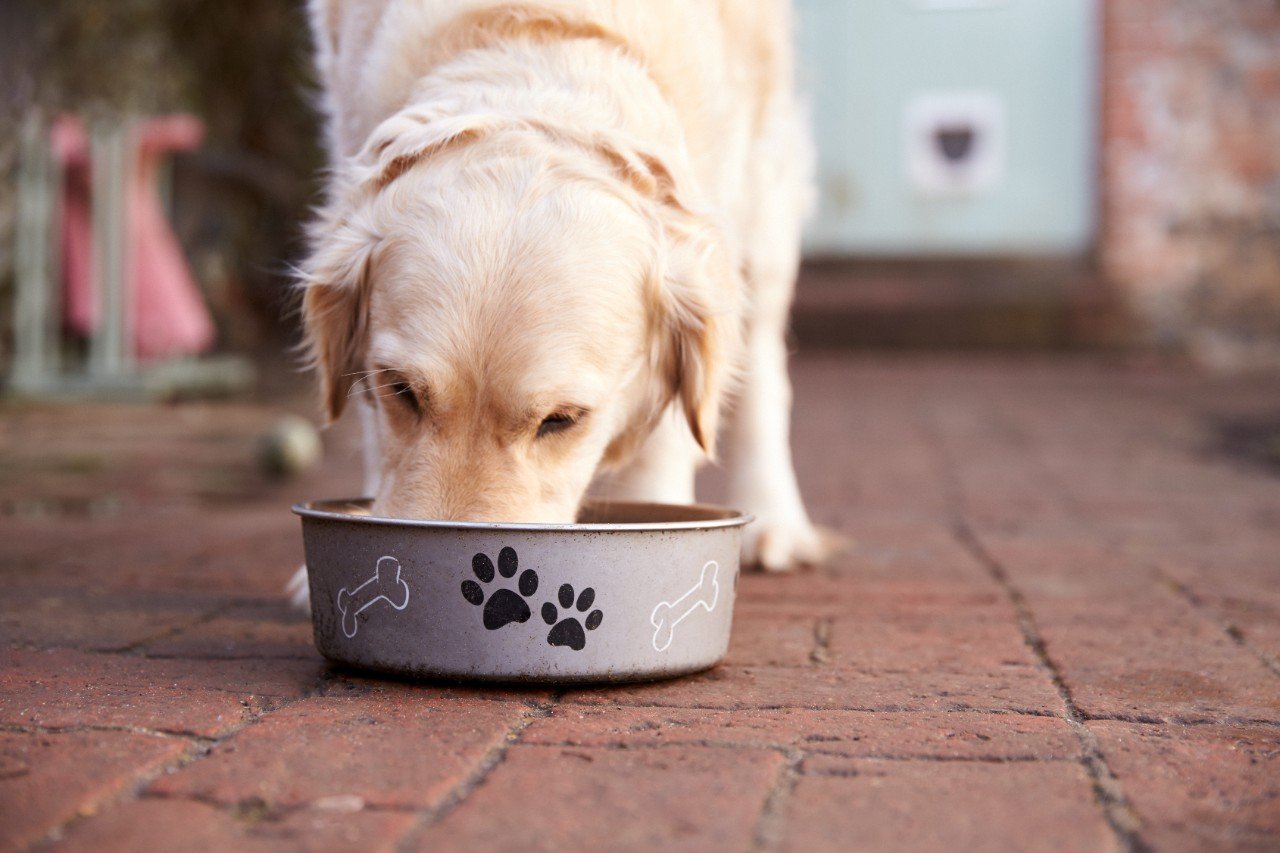
- Food and water bowls: For kittens, make sure these are placed away from their litter tray. Heavy bowls are best for puppies, who may knock lighter ones and send them flying!
- Pet food: For the first few weeks, it’s best to stick to the same diet your pet has already been eating. You can also ask your vet about the best food to suit your pet’s needs. If you do plan to change your pet’s diet, do so slowly and gradually to avoid any stomach upsets.
- Carrier or basket: For safe trips to the vet, it’s easiest to use a carrier to transport your new pet. Allow plenty of training time to get your pet used to the carrier before you need to use it. That way, you will avoid any frantic rushes when vet appointments come round.
- Toys: Puppies and kittens love nothing more than playing! Buy a selection of toys for some fun and games together. Get some inspiration from our guides to puppy-safe and kitten-safe toys.
- Grooming equipment: Regular grooming sessions not only keep your pet’s skin and coat in good condition, it’s a great way to bond with them, too.
- Bedding: Puppies and kittens have a lot of energy, but they also spend a lot of time sleeping! Make sure they have somewhere quiet and comfortable to recharge their batteries. Your breeder or rehoming centre might be able to provide a blanket or a piece of bedding that smells familiar to your new pet to help them feel more comfortable in their first few days.
- Pet insurance: Knowing your new pet is covered in case of unexpected illnesses or injuries means there’s one less thing to worry about as you enjoy spending time together.
Depending on whether you’re getting a puppy or a kitten you’ll also need things like a lead and harness, or litter trays and scratching posts.
Use our puppy and kitten checklists to make sure you’ve covered things like updating your new pet’s microchip details and booking their vaccination appointments.
Pets are part of the family, so if they are ill or injured, it's only natural to want to get them the best possible care. Find out how Petplan can support through our award-winning pet insurance.
What happened when you brought your puppy or kitten home for the first time? Share your experience with #PethoodStories
Last updated: April 17, 2023
Dr Brian Faulkner

Related articles












Follow us

Petplan is a trading name of Pet Plan Limited (Registered in England and Wales with company number 1282939) and Allianz Insurance plc (Registered in England and Wales with company number 84638).
Pet Plan Limited is authorised and regulated by the Financial Conduct Authority. Financial Services reference number 311969. Allianz Insurance plc is authorised by the Prudential Regulation Authority and regulated by the Financial Conduct Authority and the Prudential Regulation Authority, reference number 121849. Registered address: 15 Bishopsgate, London, EC2N 3AR.