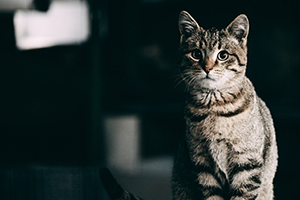
Do cats dream?

Daniel Warren Cummings headshot
Daniel Warren-Cummings
Clinical Animal Behaviourist, Cats Protection
Cat curled up sleeping
Do cats dream? And what do cats dream about? Find answers to all your questions below.

Quick Links

It’s no secret that cats love to snooze. But if you’ve ever noticed your cat twitching while sleeping, you might have wondered whether they’re dreaming or even if they’re having a nightmare.

Below, we delve into commonly asked questions about cats and their dreams – including whether their dreams can be just as interesting and versatile as our own. 

While there’s no way to know exactly what cats dream about, what we know about feline brain anatomy suggests that cats may have the capacity to dream in the same way we do.  

A cat’s brain is relatively similar in anatomy to our own, with studies showing cats also undergo phases of REM (rapid eye movement) sleep. This is the phase of sleep in which humans experience most of our dreams, and the same may be true for cats. 

As they dream, cats may twitch their paws or tail, move their heads from side to side, make small noises or twitch their mouths. You might also see your cat’s eyes moving under their eyelids, which shows they’re in REM sleep.  

While we can’t say exactly what our pets are dreaming about, it’s thought that dreams may help cats adjust and process any new behaviour learned. For instance, if you’ve been teaching your cat a new trick or given them a different toy, their dreams might focus on this as their brain makes new connections between behaviours. 

During the REM phase of sleep, the hippocampus – the part of the brain that helps cats remember things and learn from them – is highly active. Scientists have found that during REM sleep, cats often move their heads from side to side, just like they do when following a toy or stalking their prey. Perhaps this means cats spend a fair amount of time dreaming about their favourite activities. 

Whether your cat is affectionate or prefers their own space, they still develop close relationships with the people around them.  

As our faces, voices and scents are a constant part of their world, it’s possible that we sometimes feature in our cats’ dreams – though, of course, we have no way of knowing for certain. 

When your cat is sleeping, they’ll often lie down in a wide range of positions; curled up, on their back, or sprawled on their side. Depending on their position, you might notice their tail, ears or paws twitching as they snooze. 

A cat twitching while sleeping is typically harmless, often indicating they’re entering the REM phase of sleep and perhaps experiencing a vivid dream – maybe they’re chasing a bird or pouncing on their favourite toy. Twitching can also mean they’re reacting to noises from their environment. 

Try not to disturb your cat when they’re sleeping, as twitching is often harmless. However, involve your vet if twitching suddenly becomes much more violent or your cat seems distressed.  

Similarly, if you have cat insurance with Petplan, take advantage of our Pet Expert Chat feature to get advice from vet professionals at any time of the day. Just log into your My Petplan account to get started. 

It’s not clear whether cats have nightmares, but it’s certainly possible. If your cat seems distressed while they’re sleeping, it’s best to leave them alone and allow them to wake naturally, otherwise you could startle or scare them. 

Once they’re awake, keep an eye on whether they seem unhappy or unsettled. If your cat regularly seems unsettled when they’re sleeping, or you notice any other changes to their usual behaviour, it’s best to speak with your vet for advice.  

Dreams are an important way for your cat to process their day, so they need plenty of time to reach the important REM phase. 

To help them sleep deeply, make sure your  home is cat-friendly with plenty of safe, quiet and comfortable places to rest. Though they might have a preferred place for longer naps, cats often sleep in different spots throughout your house and garden, usually napping lightly throughout the day. 

Remember that cats need up to 18 hours of sleep per day. It’s hard to predict at which point your cat will reach the REM phase needed for dreams to occur, so if you see them settling down for a nap, try not to disturb them or wake them up. 

If you hear your cat snoring, they’re likely in the deepest phase of sleep and fully relaxed. During this phase, they’re less likely to be dreaming – but it’s still important not to disturb them.  

If your cat’s sleeping habits change – for example, if they’re sleeping far less than normal or showing signs of stress or discomfort – speak to your vet for advice.

Cats and dogs both experience REM sleep, which is when dreams occur. There’s no way of knowing exactly what cats and dogs dream about, but it’s likely that their dreams help them process their day, just like people. 

When a cat twitches in their sleep, they're often in the REM (rapid eye movement) stage, which is when the most vivid dreams can occur. While scientists can't see exactly what cats dream about, research suggests their dreams may be linked to familiar places, daily experiences and their natural instincts. 

Cats’ breathing may change when dreaming, so you might notice them breathing faster or more irregularly. Their heart rate can also increase during this time. If you notice open-mouth panting or long periods of fast or irregular breathing, speak to your vet for advice. 
Found this article useful? Want to see similar content and engage with like-minded dog owners? Follow us on Petplan’s Facebook page.
Follow us

Petplan is a trading name of Pet Plan Limited (Registered in England and Wales with company number 1282939) and Allianz Insurance plc (Registered in England and Wales with company number 84638). 

Pet Plan Limited is authorised and regulated by the Financial Conduct Authority. Financial Services reference number 311969. Allianz Insurance plc is authorised by the Prudential Regulation Authority and regulated by the Financial Conduct Authority and the Prudential Regulation Authority, reference number 121849. Registered address: 15 Bishopsgate, London, EC2N 3AR.