Fleas in cats: The ultimate guide

Brian Faulkner - Article expert
Dr Brian Faulkner
Veterinary Surgeon
RCVS Registered
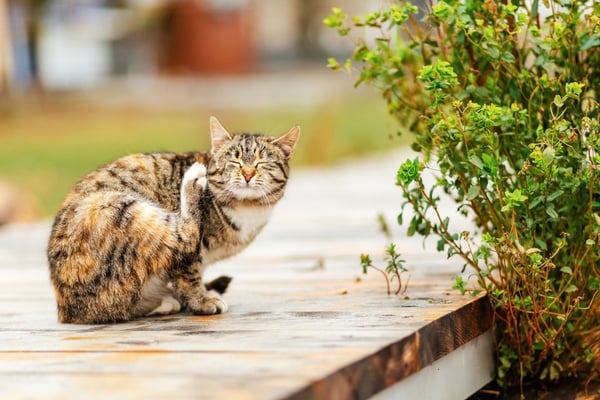
A cat with fleas
Discover how to identify, treat and prevent fleas on cats.

Quick Links

Even the cleanest cats can catch fleas, and these tiny pests can cause a lot of stress and irritation to both you and your pet. 

Read on to find out how to get rid of fleas on cats and the best cat flea treatments – as well as what cat fleas look like and how to banish them from your home for good.

Fleas are small, wingless insects that live as parasites on the bodies of other animals, feeding on their blood. There are various species of flea – although cat fleas are the most common parasitic species of flea and are also most commonly found on dogs.

Like butterflies, fleas have four life stages: egg, larva, pupa and adult. Some stages, particularly the pupa, can remain dormant for many months before hatching when conditions are warm and humid. This is why fleas are more common in spring and summer, when they can survive outside of our homes, but they can also survive inside our heated homes during autumn and winter too.


Fleas on cats come from their environment, fellow cats or other animals if they regularly spend time outside. However, fleas can also come into your home on clothes, shoes and belongings, or transfer onto your cat during a trip to the cattery or vet.

Whether you have an indoor or outdoor cat, you’ll save your pet (and yourself) a lot of trouble if you use regular, proactive cat flea treatments to prevent an infestation. 

Fleas on cats can be tricky to spot, especially because cats are so good at grooming them away. You’ll need to examine your cat very closely and you may also notice a few unexplained insect bites on human family members.

The fleas on cats are only around 1-2mm long and dark brown in colour. While you might notice them scurrying around in your cat’s fur, they can be particularly tricky to detect on darker cats.

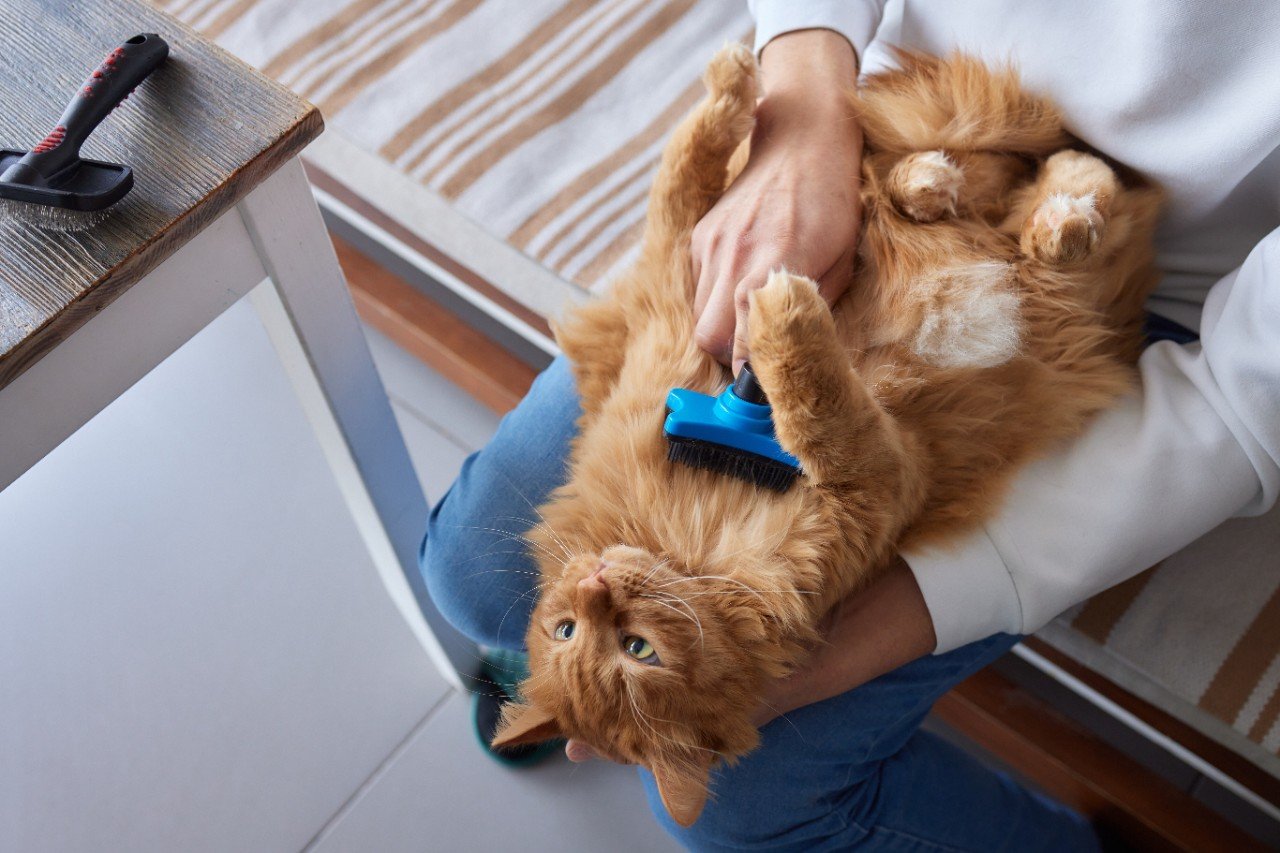
One way to check for fleas is to gently groom your cat with a comb. Use a flea comb to check for fleas, or look for flea dirt (the faeces left behind by fleas), which is a common sign of their presence.

Shake the comb onto a damp piece of white paper or kitchen towel and look for fleas or droppings. Flea droppings often leave a reddish-brown mark on moist white paper, due to the digested blood they contain.

Even if you don’t spot any fleas on your cat, their behaviour and appearance may show telltale signs of an infestation. Symptoms include:

These symptoms can indicate a range of health problems, so if you’re not sure what’s behind them, always get your cat checked out by your vet.

All cats can get fleas, no matter their age. When dealing with fleas on kittens, there are a few important points to be aware of:
 
  • Using age-appropriate products for kittens is essential – some cat flea treatment products can be effective for adult cats, but toxic for kittens
  • For kittens under eight weeks, flea combing and warm water baths are the safest forms of kitten flea treatment
  • Kitten fleas come with the same symptoms as the fleas on cats. However, owing to kittens’ small total blood volume, they have a higher risk of contracting anaemia – which can be fatal

Remember, an indoor kitten can still contract fleas because they can enter the home by hitching rides on other animals, people or objects.

Reducing the risk of fleas on your kitten is about taking preventative measures. If you’re unsure, or if your kitten is showing signs of illness, contact your vet who will be able to advise on the best course of kitten flea treatment. 

Always use a vet-approved cat flea treatment, and don’t forget to treat your home environment too. Prescription-only parasiticides are your best option as they act quickly and typically kill a range of parasites such as ticks and mites, as well as fleas. Ask your vet to recommend one that suits your cat.

Treatments for fleas on cats include:

  • Spot-on products: Dropped onto your cat’s neck via a pipette, these are usually effective for up to a month. Some brands target all stages of the life cycle, while others only kill adult fleas.
  • Tablets: These stop flea eggs from developing into adults, which breaks the flea life cycle. But if your cat doesn’t like taking tablets, they can be trickier to administer.
  • Powders: When dusted over your cat’s skin, these kill adult fleas – but they don’t affect flea eggs or larvae. It can also be difficult to make sure your cat’s entire body is covered.
  • Flea Collars: These collars contain chemicals to suppress the development of fleas, but they’re not always effective. Cats with sensitive skin may have a reaction to flea collars.
  • Flea Shampoo: These special shampoos are designed to kill adult fleas, but they don’t treat eggs or larvae. As many owners find it difficult to bathe their cats, this isn’t usually the easiest option.

Always make sure that any medication you use is designed specifically for cats. Using a flea product meant for dogs could fatally poison your cat. In a multi-pet household, every cat, dog or rabbit will need to be treated to prevent transmission.

Natural remedies for fleas on cats are also available, but these aren’t usually effective. Some may even contain essential oils, such as tea tree or citronella, which can be toxic to cats.

Being bitten by fleas can be an itchy and uncomfortable experience for our cats, and also result in other health problems.

For example, flea allergies in pets are relatively common, due to a painful allergic reaction to flea saliva in the cat flea bites. These inflamed areas sometimes lead to further issues, such as skin infections from the scratching.

Fleas on cats can carry other diseases and parasites – such as tapeworms – and pass these on to your pets. Heavy flea infestations can cause kittens and older animals to become seriously anaemic, due to the blood loss from the bites. So, if you discover your cat has fleas, it’s important to get them treated as soon as possible.

Only adult fleas live on your pet. The remaining 95% of the flea lifecycle – including eggs, larvae and pupae – is spent in your home, hiding in bedding, carpets and soft furnishings. To get rid of fleas for good, you'll need to break the lifecycle by treating both your pet and your home.

  • Wash your cat’s bedding at 60°C 
  • Wash or steam clean any rugs, sofas or cushions they sit on. Don’t forget your own bedding if your cat likes to sleep on the bed
  • Thoroughly vacuum all carpets and soft furnishings, and replace the dust bag after each use to prevent flea eggs and larvae developing
  • Use a household insecticide spray designed to target fleas – but be sure to choose one that’s safe for use around cats, and keep your cat out of any rooms you’re treating

As with anything, prevention is the best cure. Preventative measures against fleas on cats – or indeed any other animal – will help keep your cat and home a flea-free zone.

  • Vacuum regularly
  • Wash your cat’s bedding every one to two weeks (more if they spend a lot of time outdoors or shed heavily)
  • Check your cat regularly for flea dirt, especially at the base of the tail
  • Follow your vet’s guidance on regular cat de-fleaing

Fleas are an unwelcome part of cat ownership. But with the right preventative routine and prompt treatment, dealing with and banishing fleas doesn’t have to be difficult.

If you have cat insurance with Petplan and you want to find out more about cat flea treatments or whether your cat's scratching is flea-related, you can access our Pet Expert Chat via your Petplan account and speak 

Bites from fleas on cats appear as small, reddish-pink bumps. However, they are usually obscured by the cat’s fur, so it’s easier to spot the flea themselves – or their droppings – rather than their bite marks.

Fleas like warm and protected – i.e. hard-to-groom – areas. These areas include around the base of the tail and the anus, the head and the back of the neck, the armpits and groin, and sometimes the abdomen.

There are two types of non-prescriptive flea treatments for cats: those that require your cat’s details – such as age, breed and weight – and are sold in vet practices or online pharmacies, and over-the-counter products from supermarkets and human pharmacies. 

The latter is less effective and reliable. The efficacy of the former varies and depends on the cat. As such, prescription cat flea treatments are always recommended.

Found this article useful? Want to see similar content and engage with like-minded dog owners? Follow us on Petplan’s Facebook page.

Last updated: 8 September 2026

Brian Faulkner - Article expert
FRCVS Petplan Vet Expert

Brian has been a vet for over 30 years. He is a past-President of the UK Society of Practising Veterinary Surgeons and an Associate Professor at Nottingham Veterinary School. He has worked in more than 250 veterinary practices as a clinician, as well as hundreds more as a consultant, and confidence coach.

Find out more about Brian

Follow us

Petplan is a trading name of Pet Plan Limited (Registered in England and Wales with company number 1282939) and Allianz Insurance plc (Registered in England and Wales with company number 84638). 

Pet Plan Limited is authorised and regulated by the Financial Conduct Authority. Financial Services Register No. 311969. Allianz Insurance plc is authorised by the Prudential Regulation Authority and regulated by the Financial Conduct Authority and the Prudential Regulation Authority, reference number 121849. Registered address for both companies: 15 Bishopsgate, London, EC2N 3AR. Pet Plan Limited is a subsidiary of Allianz Insurance plc.