How to prevent heatstroke in cats 

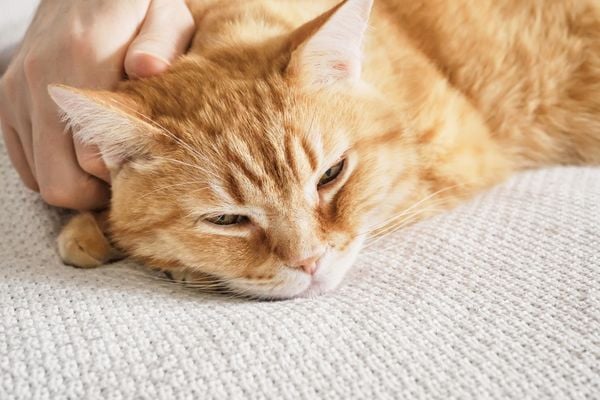
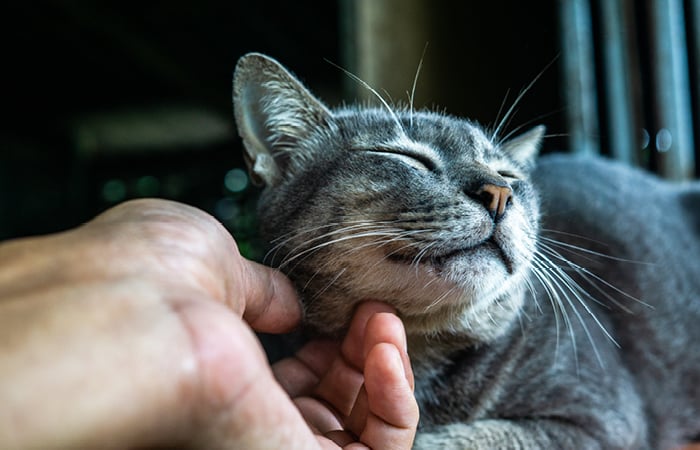
ginger and white cat being stroked while sleeping
Older cats can be more vulnerable to overheating during warm weather. Here’s how to spot the signs of heatstroke in cats, what to do in an emergency, and how to keep senior pets safe. 

Quick Links

Warm summer days can be enjoyable for cats, but rising temperatures also bring risks. 

Heatstroke in cats is a serious medical emergency that can happen when a cat becomes too hot and can’t regulate their body temperature. While any cat can be affected, older cats need extra care during heatwaves to prevent heatstroke. Age-related health conditions, reduced mobility and changes in how the body copes with stress can all increase the risk.

Understanding the signs of heatstroke in cats, and knowing what to do if it occurs, can help protect your cat during hot weather.

Heatstroke happens when a cat’s body temperature rises above the normal range and they are unable to cool down effectively. A healthy cat’s temperature usually sits between 38.1-39.2°C (100.5-102.5°F). When it rises above 40°C (104°F), it can quickly become dangerous.

As body temperature increases, vital organs can begin to fail. Without prompt treatment, cat heatstroke can lead to seizures, internal damage and even death.

Because cats are skilled at hiding pain or discomfort, symptoms may not be obvious until the condition is already serious.

Yes – and it can happen faster than many owners realise. Cats are generally better at coping with heat than some other pets, but they also love sleeping in warm places.

The most common causes of heatstroke in cats include:

●     Lying in direct sunlight for too long

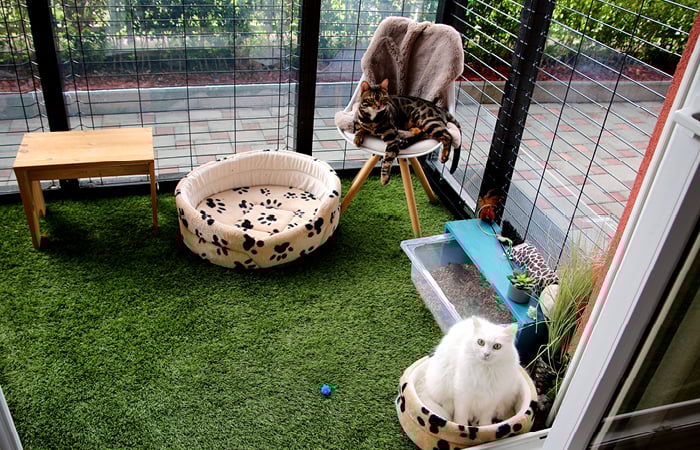
●     Being confined in a warm conservatory, shed or garage, without enough ventilation

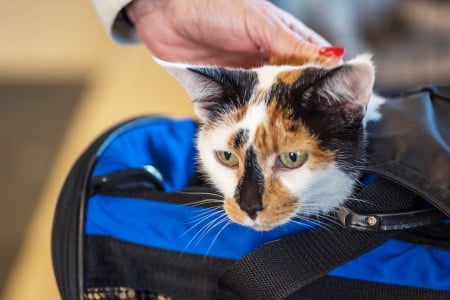
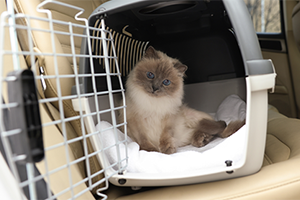
●      Travelling in a hot carrier or vehicle

●     Being unable to access fresh water

●     Living in a poorly ventilated home during a heatwave

Cats, particularly seniors, need extra care during heatwaves to prevent heatstroke, especially if temperatures remain high overnight.

ginger and white cat being stroked while sleeping

Senior cats are often more vulnerable because they may struggle to regulate their body temperature and hydration as efficiently as younger cats.

Older pets are also more likely to have underlying health issues, such as heart disease, kidney problems or arthritis, which can make it harder to move to cooler areas or cope with stress.

Long-haired breeds, overweight cats and flat-faced breeds like Persians may also be at increased risk. If your cat is elderly, it’s important to monitor them closely whenever the weather becomes warmer.

Spotting cat heatstroke signs early can make a significant difference.

Common cat heatstroke symptoms include:

● Rapid or heavy breathing

● Panting

● Drooling

● Lethargy or weakness

● Bright red tongue or gums

● Restlessness

● Vomiting

● Confusion or wobbliness

Without treatment, cat heatstroke signs may also progress to:

● Collapse

● Tremors or seizures

● Unconsciousness

If you notice any of these signs of heatstroke in cats, start cooling your cat immediately and call your vet for advice on the next steps. 

Heatstroke is always an emergency. If you suspect your cat has overheated, contact your vet straight away. Follow their advice, which might include cooling your cat at home before bringing them to the vet clinic.

Your vet may recommend:

● Moving your cat to a cool, shaded or air-conditioned room

● Offering small amounts of cool – but not ice cold – water

● Dampening their paws, belly and fur with cool water

● Using a fan to improve airflow

● Keeping them calm and minimising unnecessary handling

Never use ice baths or very cold water, as rapid cooling can cause shock. At the vet clinic, treatment may include oxygen therapy, intravenous fluids and monitoring for organ damage. 

How long heatstroke lasts depends on how severe it is and how quickly treatment begins.

Mild cases caught early may improve within a few hours, but cats should still be monitored closely for 24-48 hours. More serious cases may require several days of treatment at a vet clinic, with additional checkups after discharge. 

Helping your older cat stay cool will reduce the risk of heatstroke. This can include:

● Providing plenty of cool water, with numerous bowls around the house

● Keeping curtains closed in sunny rooms

● Offering your cat cooling summer snacks

● Using fans or opening numerous windows to improve airflow

● Avoiding stressful travel during hot weather

Grooming long-haired cats regularly

● Offering wet food to help increase your cat’s fluid intake

● Keeping your cat indoors on very hot days 

● Providing cool, shaded resting spots, such as tiled floors or cooling mats

For senior cats, small changes to their summer routine can make a big difference. During extreme heat, check on them frequently and watch for subtle signs of discomfort. Because older cats may sleep more and move less, it can be harder to notice when they are overheating.

If you have cat insurance with Petplan, you can also use our Pet Expert Chat feature to connect with veterinary professionals who can advise on keeping your cat safe and comfortable during hotter weather. Log in to your My Petplan account to get started.

If your cat shows any signs of heatstroke, don’t wait for symptoms to worsen. Fast treatment gives the best chance of recovery and can prevent serious complications.


Found this article useful? Want to see similar content and engage with like-minded cat owners? Follow us on Petplan’s Facebook page.
Follow us

Petplan is a trading name of Pet Plan Limited (Registered in England No. 1282939) and Allianz Insurance plc (Registered in England No. 84638), Registered office: 57 Ladymead, Guildford, Surrey GU1 1DB.

Pet Plan Limited is authorised and regulated by the Financial Conduct Authority. Financial Services Register No. 311969. Allianz Insurance plc is authorised by the Prudential Regulation Authority and regulated by the Financial Conduct Authority and the Prudential Regulation Authority. Financial Services Register No. 121849. Pet Plan Limited is a subsidiary of Allianz Insurance plc.