Top tips for sustainable cat ownership

From choosing sustainable cat food to using biodegradable cat litter, here are 10 ways to help reduce your cat’s environmental impact. 
black and white cat on fence

Quick links

Being a responsible cat owner means prioritising your cat’s health and welfare – but that doesn’t mean you can’t also reduce their impact on the environment at the same time. 

Here are 10 ways to make cat ownership more sustainable, without compromising your pet’s health and wellbeing.   

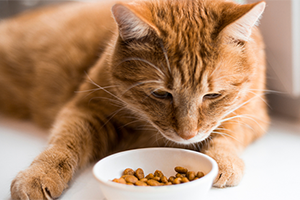
Cats are obligate carnivores, which means they need to eat meat. But you can still make sustainable choices, such as by swapping some of their beef meals for less intensively farmed options like chicken. 

Expensive cat food isn’t necessarily the most sustainable option either – cheaper pet food often contains by-products from the meat industry, which might otherwise go to waste. 

You could also try sourcing cat food in bulk and buying locally, which can help reduce packaging and travel impacts. 

Whatever food you choose, make sure it’s complete, balanced and appropriate for your cat’s age and activity level. If you’re not sure, it’s always best to speak to your vet. If you have cat insurance with Petplan, you can also use our Pet Expert Chat feature to connect with professionals and get nutrition advice, tailored to your cat’s needs. 

Once you’ve chosen your cat food, think about the empty packages. If possible, look for packaging that can be easily recycled, like aluminium tins, cardboard boxes, compostable bags or recyclable plastic. You might also be able to find a zero-waste or pet store in your area that sells loose natural cat food you can bring home in your own bags. 

Cat food pouches are difficult to recycle, as they’re typically made from layered plastics and aluminium that can’t be separated. This means local authorities don’t often accept them in recycling boxes. Some pet stores and supermarkets have collection bins for used pouches; just make sure they are rinsed out before dropping them off.  

If your cat uses a litter tray, switching to sustainable litter is one of the easiest ways to reduce their environmental impact.  

Traditional clay-based litters may be the product of destructive strip mining, which can damage habitats and lead to water pollution. More sustainable options include biodegradable cat litter made from paper, wood, walnut shells, corn or grass. If you choose a wood- or paper-based cat litter, look for an FSC-certified brand that uses wood from sustainably managed forests.  

If you’re planning to change your cat’s usual litter type, introduce it gradually – by mixing it in with their usual litter – and look out for any signs that your cat is unhappy with it. 

If you have space to store it, buying cat litter in bulk can also help to reduce the amount of packaging needed, as well as the number of trips back and forth to the shops.  

When you’re cleaning out your cat’s tray, look for compostable bin bags and cat litter liners to avoid plastic waste.   

Cats don’t need a huge collection of expensive toys to be happy, so before buying anything, consider whether your cat really needs it.  

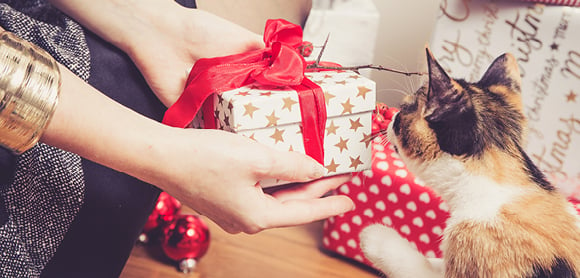
If you’re looking for a Christmas gift or a new toy, remember to shop sustainably. Instead of plastic, look for durable, eco-friendly toys made from natural or biodegradable materials such as wool, bamboo or cork. 

The same goes for items such as food bowls, cat beds and grooming accessories. Buying one high-quality item that will last for years is a more sustainable choice than repeatedly buying cheaper alternatives. 

Recycling or upcycling old items is even better than buying new. Try making your own DIY cat toys using an empty plastic bottle, fabric scraps, cardboard or wood. Just remember to always supervise your cat with homemade toys and to check them regularly for signs of damage. 

If your cat loves grass or catnip, you could also try growing some at home to give them even more mental stimulation.  

Sustainable cat ownership isn’t just about choosing eco-friendly products and food. Making small changes to your home can also make a big difference to your energy usage. 

If your cat uses a cat flap, choosing a durable, draught-proof design can minimise the amount of heat lost from your home in winter.  

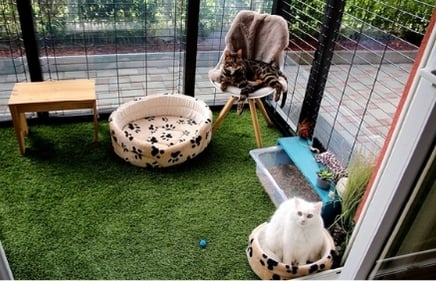
Instead of turning up the heating, you can also make your cat’s sleeping areas cosier. Add an old blanket to their bed or place a bed near a radiator in a quiet corner.  

Cats can get bored with their toys if they see them all the time, so rotate them to keep things interesting.  

If there are any toys or accessories your cat never seems interested in, don’t throw them out. Instead, donate any unwanted toys or accessories in good condition to friends and family or local rescue shelters. You could also advertise free items on neighbourhood sharing sites and apps such as Freecycle, Freegle or Olio.  

If something is damaged beyond repair or reuse, check if any parts can be recycled before throwing away.  

Cats are natural hunters, but even though this is instinctive behaviour, you might want to reduce the chances of your cat catching any wild animals.  

Keeping your cat indoors at dawn, dusk and overnight when wildlife is most active is a good option, as is increasing indoor playtime and ensuring they have a high-quality, satisfying diet. 

If you enjoy looking after garden birds, make sure any bird feeders or nesting boxes are placed well out of your cat’s reach. A bird table placed on a smooth, unclimbable post is a good option. Growing some tall, dense plants in the garden, such as prickly holly bushes, could also provide refuge and perching spots for birds. 

Keeping your cat active, feeding them a suitable diet, and staying up to date with veterinary check-ups and recommended vaccinations are all part of responsible cat ownership. In the long run, this can potentially help avoid more intensive vet treatment, which may have a greater environmental impact. 

By insuring your cat with Petplan, you’re already taking a proactive step to support their future health. It also means you’re only a click away from great pet care advice and making a claim. 

If you’re thinking about adding a new cat to the family, consider adopting a cat rather than buying from a breeder. With many cats in shelters looking for new homes, rehoming an adult or senior cat can ease the pressure on rescue centres.  

If you’re looking to adopt, use our rehoming centre search tool to find animal shelters in your area. If you’d like to help in other ways, consider fostering cats temporarily or volunteering at your local centre, if they need extra help. 

Sustainable cat ownership isn’t about being perfect; it’s about making small changes.  

Reducing waste, choosing biodegradable cat litter and other products, and taking a proactive approach to your cat’s health care all help you make more eco-friendly choices – while keeping your cat as happy and healthy as possible. 

Cat litter made from materials like wood, paper or plant fibres is typically better for the environment than mineral-based clay cat litter. Before switching brands, check how the litter is produced and the manufacturer’s recommendations for disposal.

Adopting an older cat, instead of buying a kitten from a breeder, helps to reduce the demand for breed-specific litters. But your cat’s lifetime impact on the environment depends more on factors like diet and the products you buy for them.

Sustainable cat food typically uses responsibly sourced ingredients and recyclable packaging. Look for brands that clearly explain where their ingredients come from, their reasons for using those ingredients, and how their products are made.

Found this article useful? Want to see similar content and engage with like-minded dog owners? Follow us on Petplan’s Facebook page. 
Follow us

Petplan is a trading name of Pet Plan Limited (Registered in England and Wales with company number 1282939) and Allianz Insurance plc (Registered in England and Wales with company number 84638). 

Pet Plan Limited is authorised and regulated by the Financial Conduct Authority. Financial Services reference number 311969. Allianz Insurance plc is authorised by the Prudential Regulation Authority and regulated by the Financial Conduct Authority and the Prudential Regulation Authority, reference number 121849. Registered address: 15 Bishopsgate, London, EC2N 3AR.