Big Dogs: Why Large Breeds Make Wonderful Pets

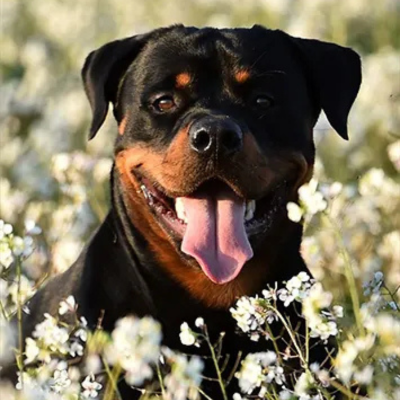
Rottweiler smiling in a field
Big dogs are often misunderstood, but in reality, they can make wonderful companions.

Quick Links

From gentle giant dogs like Great Danes to enthusiastic and energetic companions like Golden Retrievers, large dog breeds can make the most wonderful pets. 

Below, we uncover common myths, care considerations, and why large and giant dog breeds might just be the perfect choice for your family.

Dog breeds fall into different categories: toy, small, medium, large, and giant. Here are typical weight and height parametres for each – though bear in mind that weight is usually the clearest way to categorise dog sizes, as height can vary by breed and build.

●      Toy: 4kg and under; typically up to 28cm at the shoulder

●      Small: 4-10kg; 28-40cm at the shoulder

●      Medium: 10-25kg; 40-55cm at the shoulder

●      Large: 25-45kg; 55-70cm at the shoulder

●      Giant: 45kg and over; 70cm+ at the shoulder

Some of the most popular dog breeds in the UK fall into the large and giant categories. Find more details about each of them in the tables below.

Swipe to view more

 Breed name  Temperament  Typical weight  Typical height 
  Akita 

 Independent

 Dignified 

 Courageous

 30-55kg  60-70cm
  Cane Corso 

 Intelligent

 Protective 

 Affectionate

 40-50kg  60-70cm
  Doberman

 Loyal

 Alert 

 Protective 

 30-45kg  60-70cm
German Shepherd

 Loyal 

 Intelligent 

 Energetic 

 25-40kg  55-65cm
 Golden Retriever

 Reliable

 Loyal

 Kind

 25-35kg  60-70cm
 Greyhound 

Intelligent

Even-tempered

Gentle

 25-35kg  65-75cm
Labrador Retriever 

 Easy-going

 Loyal

 Affectionate

 25-35kg  55-65cm
 
Rottweiler

 Devoted

 Good-natured

 Courageous 

 35-60kg  55-70cm

Swipe to view more

Breed name  Temperament Typical weight Typical height
Bernese Mountain Dog

Calm

Good-natured

Affectionate 

45-55kg 60-70cm
Great Dane 

Affectionate

Loyal 

Gentle 

45-90kg 70-80cm
Irish wolfhound

Calm

Loyal

Friendly 

45-80kg 70cm+ 
Mastiff

Affectionate 

Protective

Courageous 

55kg+ 70-90cm
Newfoundland

Gentle

Patient 

Good-natured

50-70kg 65-70cm 
Saint Bernard

Gentle 

Patient 

Affectionate 

55-90kg 65-90cm

Remember, a dog’s size can vary based on their sex, build and genetics.

Big dogs can often be judged unfairly or have assumptions made about them because their size can make them seem intimidating. However, many misconceptions about large and giant dog breeds simply aren’t true.

Here are some of the most common big dog myths, and the reality behind them.

Myth 1: All large breeds are the same

A dog’s size doesn’t determine their personality or energy levels. Some large dog breeds are more active and known for their intelligence, while others are typically calmer and gentler.  

Age, breed, personality and previous experiences have more influence over a dog’s behaviour more than their size.

Myth 2: Big dogs need lots of exercise

Do big dogs need a lot of exercise? You may be surprised to know that size alone doesn’t actually determine how much daily movement a dog needs.  Some large working breeds, such as German Shepherds, need lots of mental and physical stimulation, while others – like Greyhounds – are relatively calm and like to sleep a lot. In fact, many giant dog breeds, such as Great Danes and Irish Wolfhounds, have relatively low exercise requirements. However, exercise should always be appropriate for your dog’s breed, age and health – check with your vet if you’re unsure. 

Myth 3: Big dogs can’t live in smaller homes

Many people assume big dogs need larger homes to thrive – but can big dogs live in flats or smaller homes?

The truth is that many big dogs can happily live in smaller homes, including flats, providing their mental and  physical needs are met. 

If you have a smaller home and are considering getting a larger dog, the most important things to consider are that:  

While access to a garden is useful, this should never be used as a replacement for walks or  human playtime and interaction. 

Myth 4: Big dogs are harder to care for

Are large dogs harder to train and care for?

While it’s important to make sure big dogs are properly trained and socialised as puppies, so that they grow into well-behaved adult dogs  that owners can handle, large dog breeds aren’t necessarily harder to care for than any other breed. 

However, owning a large dog typically means you may: 

  • Need to buy larger equipment, such as crates or dog beds 
  • Have higher food bills, as bigger dogs usually need a  greater daily calorie intake 
  • Need to provide additional exercise and mental stimulation 

Overall, owning a dog of any size is a serious commitment, so make sure you can provide everything they need before making a decision. 

From calm, gentle giants who love spending time with their families, to energetic and intelligent dogs who love learning new things, there’s a lot to love about life with a big dog.

If you’re curious what makes life with a big dog so special, here are some of the benefits:

  • Gentle giants: Some of the biggest dog breeds are known for their affectionate, kind nature.
  • Eager to train: Big dog breeds are typically eager to please, making training sessions  fun and rewarding for both of you.
  • Loyal companions: : Giant and large dog breeds often form strong bonds with their families, and love being involved in whatever you’re doing.

Some giant dog breeds can be surprisingly laid-back at home. A dog’s size doesn’t determine their energy levels and some of the world’s tallest breeds, including Great Danes and Irish Wolfhounds, enjoy plenty of time relaxing with their families.

Sharing your life with a big dog brings plenty of joy, from long walks on the beach to  fun training sessions and relaxed afternoons playing games at home. 

No matter their size, every pet deserves the best care, which means it’s important to make sure you can meet their needs.

If you’re considering becoming a big dog owner, here’s what to consider first. 

Big dogs don’t necessarily need to live in a huge house – but they do need enough space to move around and stretch out comfortably.  

Think about your home and garden, including practicalities such as stairs, transport and dog-proofing.  

How much exercise a dog needs varies between breeds and individual dogs. 

Whichever large or giant breed you’re considering, make sure you can meet their requirements for physical and mental stimulation. 

Giant and large dog breeds eat more than smaller breeds, so you’ll need to consider this as part of your budget. 

A  balanced diet is particularly important for supporting joint health in big dog breeds, especially when they’re young. Giant dog breeds also take longer to mature, with some taking longer than smaller breeds to reach their adult size. 

If you need extra support with your large dog’s diet, speak to your vet for advice. Or, if you already have dog insurance with Petplan, use our Pet Expert Chat feature to speak with an expert about any questions you may have. To get started, log into your My Petplan account.

Many dogs can suffer from breed-specific conditions, and big dogs are no exception.

Certain health conditions can be more common in large and giant breeds, including hip dysplasia, bloat, and heart conditions. Giant breeds also have shorter average lifespans than smaller breeds.

Many big dogs are gentle and eager to please, but their size and strength can make them appear intimidating to other dogs and pet owners.  

Early training and socialisation is essential to make sure they grow into obedient, well-rounded adult dogs. 

A dog of any size is a long-term financial commitment, but caring for a large dog often means bigger bills: 

  • Larger dogs need more food and larger accessories, which are typically more expensive 
  • Some vet bills can also be higher for big dogs due to medication dosing, anaesthetic requirements, and breed-specific conditions 

Pet insurance can help cover unexpected veterinary costs for large breed dogs, offering long-term peace of mind if your circumstances change. Petplan dog insurance covers large breeds – because every dog deserves the best care, regardless of their size.  

Like all pets, big dogs need plenty of quality time and interaction with their owners. 

Consider how much time they’ll be spending alone, and whether your lifestyle can accommodate the training, exercise and enrichment they need.  

Some big dog breeds can suffer from separation anxiety, and may struggle with being left alone for long periods. 

If you’re considering getting a big dog, adopting one from a rehoming centre is a great option.  

Bigger dogs often wait longer in these centres, as some potential adopters may be worried about their exercise requirements, how much space they need, or whether they’ll be able to manage a larger dog. But successful adoption is about finding a dog that suits your lifestyle. 

Rescue teams can assess a dog’s personality and temperament and will be able to tell you about the training and support each dog has received while staying with them, giving you a better idea of whether they’ll fit into your home. 

At Battersea, dogs are matched with potential new owners based on their individual needs and your lifestyle, rather than their appearance or breed. With thousands of successful adoptions, this approach helps Battersea find a good match based on the dog’s needs and your circumstances. 

If you’re interested in adopting, here’s what the rehoming process typically involves: 

  • Registration: You’ll need to register your details with any rescue centre you’re interested in rehoming a dog from. This may involve some initial questions, including about your living circumstances. 
  • Assessment: The rescue centre will assess your details to see if any of the dogs currently in their care could be the perfect match. 
  • Home check: This typically involves the rescue centre checking that your home is suitable for dogs. Different centres check for different things, but most will want to see that your garden is secure and your home is suitable for the breed. For large dogs, you’ll want to prepare your home by making sure countertops are clear and that any low-level items that could be knocked over are removed or secured. 
  • Bringing your new dog home: When you collect your dog from the rescue centre and bring them home, you’ll want to make sure that everything is ready for them. Before they arrive, set up a cosy bed or crate in a quiet corner and give them time to decompress and adjust to their new surroundings in their own time.  
  • Settling-in period: All dogs need time and patience as they settle into their new homes. The adjustment period can vary, so give your new dog time to get used to their surroundings and establish a routine. Most rescue centres provide ongoing support and advice after adoption, so if you have any questions, contact them for advice.  
  • Large breeds need homes: Even though they have a lot of love to give, big dog breeds typically take longer to find new homes. Adopting a large breed gives them a second chance for a happy life in their forever home.  
  • The right dog for your lifestyle: Rescue centres have plenty of experience matching dogs and potential owners, so whether you’re looking for an active companion for long walks or a gentle friend for relaxed afternoons at home, a rescue centre can help you find a big dog that suits your lifestyle. 
  • They can suit smaller homes: Big dogs don’t necessarily need a lot of space at home. Many large dogs are happy living in smaller homes, providing they get enough mental stimulation and physical exercise. 
  • Big dogs offer big love: Many large dog breeds are known as gentle giants – and for good reason. Many big dog breeds are incredibly affectionate, loyal and love nothing more than snuggling up with their families. 

Ready to adopt a big dog?  Meet the dogs at Battersea looking for a new home.  

Petplan works with some of the largest rescue centres in the UK, including Battersea. If you rehome a big dog from Battersea, you’ll get  four weeks’ free Petplan insurance. When you continue your Petplan dog insurance after the free cover period, Petplan gives 10% of the premium back to the rescue centre. They also receive a further 10% each time your policy renews, creating an ongoing source of funds to support animals in their care.

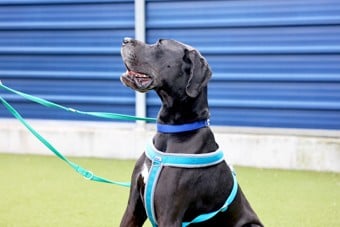
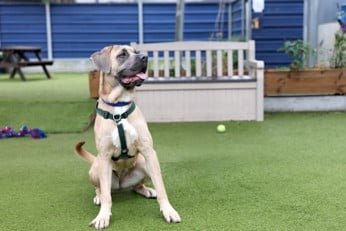
If you’re considering adding a large dog to your family, adoption is a great choice. At Battersea, plenty of large dogs are waiting to find a new home. Here are two of their stories.

At 55 kilograms, Lucho was shy around people and dogs when he arrived at Battersea. After a personal training plan, including food puzzles, socialisation with other dogs and playing games, Lucho found a new home where he gets to spend time making new friends, paddling in the river near his home and playing with his toys.

Read Lucho’s full story here 

Mastiff Bounce was discovered as a stray by a dog warden. With no microchip, she was brought to Battersea but found the centre very overwhelming, spending a lot of time barking and struggling to settle into her new environment. But thanks to a tailored training plan – including lots of scent games and physical exercise – Bounce learned to relax and found a home with owners who are committed to continuing her training. 

Read Bounce's full story here.

“Big dogs have a way of filling a room – not only with their size, but with their charm and hearts too. We’ve cared for thousands of larger dogs over our 165-year history, and although they all have individual personalities and temperaments, they make great companions who have a lot of love to give”.

Ali Taylor, Head of Animal Behaviour at Battersea.

A big dog is usually considered to weigh over 25 kilograms, while giant dog breeds weigh 45 kilograms or more. They also typically measure over 55cm at the shoulder.

Popular large dog breeds in the UK include Golden Retrievers, Labrador Retrievers, Greyhounds, German Shepherds and Rottweilers. Popular giant breeds include Great Danes, Newfoundlands and Bernese Mountain Dogs.

Big dogs can make amazing family pets. Whatever size dog you’re looking to add to your family, it’s important to choose a breed that fits your lifestyle, including the amount of time you have for exercise and training. Children should always be supervised around dogs and taught how to interact with them safely.  

Some active large breeds need a lot of exercise, but others have fairly low exercise requirements. If you choose an active breed, make sure you have time for longer walks and regular training sessions. 

Some bigger dogs can live in flats, as long as they have enough space to move around comfortably. A garden or outside space can be beneficial, but isn’t a replacement for regular walks, training sessions and mental stimulation. 

Large dog breeds aren’t harder to train – in fact, they’re typically extremely willing and eager to please. Because of their large size, early training and socialisation are very important. Positive reinforcement training is the best option for helping your large dog grow into a well-rounded adult. 

Large breeds can cost more to own because they eat more food and need larger equipment such as beds and crates. If you plan to travel by car with your large dog, you’ll also need to make sure they can fit in it comfortably.  

Vet bills may also be more expensive, but it’s always best to check this with your own vet ahead of adoption. Dog insurance can also help you to prepare for and manage ongoing costs. 

Before getting a big dog, make sure you have the essentials covered. Whether you’re adopting a puppy or an older large rescue dog, use our shopping list to make sure you’ve got what they need.   

Dog insurance can help cover the costs of unexpected bills if your large dog becomes ill or injured. Some large breeds can suffer from specific health conditions like bloat, so insurance can give extra peace of mind.  

The right breed for you depends entirely on your lifestyle. However, breeds such as Greyhounds, Labrador Retrievers and Golden Retrievers may suit first-time dog owners due to their easy-going personalities and eagerness to please.  

Found this article useful? Want to see similar content and engage with like-minded dog owners? Follow us on Petplan’s Facebook page.

Published: 2 October 2026

Reviewed by: Lucy Polling, Battersea Dogs & Cats Home

Approved by: Ali Taylor, Head of Animal Behaviour at Battersea

Follow us

Petplan is a trading name of Pet Plan Limited (Registered in England and Wales with company number 1282939) and Allianz Insurance plc (Registered in England and Wales with company number 84638). 

Pet Plan Limited is authorised and regulated by the Financial Conduct Authority. Financial Services reference number 311969. Allianz Insurance plc is authorised by the Prudential Regulation Authority and regulated by the Financial Conduct Authority and the Prudential Regulation Authority, reference number 121849. Registered address: 15 Bishopsgate, London, EC2N 3AR.